
Get trending papers in your email inbox once a day!
Get trending papers in your email inbox!
Subscribe
Directional Textual Inversion for Personalized Text-to-Image Generation
Textual Inversion (TI) is an efficient approach to text-to-image personalization but often fails on complex prompts. We trace these failures to embedding norm inflation: learned tokens drift to out-of-distribution magnitudes, degrading prompt conditioning in pre-norm Transformers. Empirically, we show semantics are primarily encoded by direction in CLIP token space, while inflated norms harm contextualization; theoretically, we analyze how large magnitudes attenuate positional information and hinder residual updates in pre-norm blocks. We propose Directional Textual Inversion (DTI), which fixes the embedding magnitude to an in-distribution scale and optimizes only direction on the unit hypersphere via Riemannian SGD. We cast direction learning as MAP with a von Mises-Fisher prior, yielding a constant-direction prior gradient that is simple and efficient to incorporate. Across personalization tasks, DTI improves text fidelity over TI and TI-variants while maintaining subject similarity. Crucially, DTI's hyperspherical parameterization enables smooth, semantically coherent interpolation between learned concepts (slerp), a capability that is absent in standard TI. Our findings suggest that direction-only optimization is a robust and scalable path for prompt-faithful personalization.

SkyReels-Text: Fine-grained Font-Controllable Text Editing for Poster Design
Artistic design such as poster design often demands rapid yet precise modification of textual content while preserving visual harmony and typographic intent, especially across diverse font styles. Although modern image editing models have grown increasingly powerful, they still fall short in fine-grained, font-aware text manipulation, limiting their utility in professional design workflows such as poster editing. To address this issue, we present SkyReels-Text, a novel font-controllable framework for precise poster text editing. Our method enables simultaneous editing of multiple text regions, each rendered in distinct typographic styles, while preserving the visual appearance of non-edited regions. Notably, our model requires neither font labels nor fine-tuning during inference: users can simply provide cropped glyph patches corresponding to their desired typography, even if the font is not included in any standard library. Extensive experiments on multiple datasets, including handwrittent text benchmarks, SkyReels-Text achieves state-of-the-art performance in both text fidelity and visual realism, offering unprecedented control over font families, and stylistic nuances. This work bridges the gap between general-purpose image editing and professional-grade typographic design.
A Unified Approach for Text- and Image-guided 4D Scene Generation
Large-scale diffusion generative models are greatly simplifying image, video and 3D asset creation from user-provided text prompts and images. However, the challenging problem of text-to-4D dynamic 3D scene generation with diffusion guidance remains largely unexplored. We propose Dream-in-4D, which features a novel two-stage approach for text-to-4D synthesis, leveraging (1) 3D and 2D diffusion guidance to effectively learn a high-quality static 3D asset in the first stage; (2) a deformable neural radiance field that explicitly disentangles the learned static asset from its deformation, preserving quality during motion learning; and (3) a multi-resolution feature grid for the deformation field with a displacement total variation loss to effectively learn motion with video diffusion guidance in the second stage. Through a user preference study, we demonstrate that our approach significantly advances image and motion quality, 3D consistency and text fidelity for text-to-4D generation compared to baseline approaches. Thanks to its motion-disentangled representation, Dream-in-4D can also be easily adapted for controllable generation where appearance is defined by one or multiple images, without the need to modify the motion learning stage. Thus, our method offers, for the first time, a unified approach for text-to-4D, image-to-4D and personalized 4D generation tasks.
TextMastero: Mastering High-Quality Scene Text Editing in Diverse Languages and Styles
Scene text editing aims to modify texts on images while maintaining the style of newly generated text similar to the original. Given an image, a target area, and target text, the task produces an output image with the target text in the selected area, replacing the original. This task has been studied extensively, with initial success using Generative Adversarial Networks (GANs) to balance text fidelity and style similarity. However, GAN-based methods struggled with complex backgrounds or text styles. Recent works leverage diffusion models, showing improved results, yet still face challenges, especially with non-Latin languages like CJK characters (Chinese, Japanese, Korean) that have complex glyphs, often producing inaccurate or unrecognizable characters. To address these issues, we present TextMastero - a carefully designed multilingual scene text editing architecture based on latent diffusion models (LDMs). TextMastero introduces two key modules: a glyph conditioning module for fine-grained content control in generating accurate texts, and a latent guidance module for providing comprehensive style information to ensure similarity before and after editing. Both qualitative and quantitative experiments demonstrate that our method surpasses all known existing works in text fidelity and style similarity.
Pick-and-Draw: Training-free Semantic Guidance for Text-to-Image Personalization
Diffusion-based text-to-image personalization have achieved great success in generating subjects specified by users among various contexts. Even though, existing finetuning-based methods still suffer from model overfitting, which greatly harms the generative diversity, especially when given subject images are few. To this end, we propose Pick-and-Draw, a training-free semantic guidance approach to boost identity consistency and generative diversity for personalization methods. Our approach consists of two components: appearance picking guidance and layout drawing guidance. As for the former, we construct an appearance palette with visual features from the reference image, where we pick local patterns for generating the specified subject with consistent identity. As for layout drawing, we outline the subject's contour by referring to a generative template from the vanilla diffusion model, and inherit the strong image prior to synthesize diverse contexts according to different text conditions. The proposed approach can be applied to any personalized diffusion models and requires as few as a single reference image. Qualitative and quantitative experiments show that Pick-and-Draw consistently improves identity consistency and generative diversity, pushing the trade-off between subject fidelity and image-text fidelity to a new Pareto frontier.
Gen3DEval: Using vLLMs for Automatic Evaluation of Generated 3D Objects
Rapid advancements in text-to-3D generation require robust and scalable evaluation metrics that align closely with human judgment, a need unmet by current metrics such as PSNR and CLIP, which require ground-truth data or focus only on prompt fidelity. To address this, we introduce Gen3DEval, a novel evaluation framework that leverages vision large language models (vLLMs) specifically fine-tuned for 3D object quality assessment. Gen3DEval evaluates text fidelity, appearance, and surface quality by analyzing 3D surface normals, without requiring ground-truth comparisons, bridging the gap between automated metrics and user preferences. Compared to state-of-the-art task-agnostic models, Gen3DEval demonstrates superior performance in user-aligned evaluations, placing it as a comprehensive and accessible benchmark for future research on text-to-3D generation. The project page can be found here: https://shalini-maiti.github.io/gen3deval.github.io/{https://shalini-maiti.github.io/gen3deval.github.io/}.

Cut2Next: Generating Next Shot via In-Context Tuning
Effective multi-shot generation demands purposeful, film-like transitions and strict cinematic continuity. Current methods, however, often prioritize basic visual consistency, neglecting crucial editing patterns (e.g., shot/reverse shot, cutaways) that drive narrative flow for compelling storytelling. This yields outputs that may be visually coherent but lack narrative sophistication and true cinematic integrity. To bridge this, we introduce Next Shot Generation (NSG): synthesizing a subsequent, high-quality shot that critically conforms to professional editing patterns while upholding rigorous cinematic continuity. Our framework, Cut2Next, leverages a Diffusion Transformer (DiT). It employs in-context tuning guided by a novel Hierarchical Multi-Prompting strategy. This strategy uses Relational Prompts to define overall context and inter-shot editing styles. Individual Prompts then specify per-shot content and cinematographic attributes. Together, these guide Cut2Next to generate cinematically appropriate next shots. Architectural innovations, Context-Aware Condition Injection (CACI) and Hierarchical Attention Mask (HAM), further integrate these diverse signals without introducing new parameters. We construct RawCuts (large-scale) and CuratedCuts (refined) datasets, both with hierarchical prompts, and introduce CutBench for evaluation. Experiments show Cut2Next excels in visual consistency and text fidelity. Crucially, user studies reveal a strong preference for Cut2Next, particularly for its adherence to intended editing patterns and overall cinematic continuity, validating its ability to generate high-quality, narratively expressive, and cinematically coherent subsequent shots.


3DEgo: 3D Editing on the Go!
We introduce 3DEgo to address a novel problem of directly synthesizing photorealistic 3D scenes from monocular videos guided by textual prompts. Conventional methods construct a text-conditioned 3D scene through a three-stage process, involving pose estimation using Structure-from-Motion (SfM) libraries like COLMAP, initializing the 3D model with unedited images, and iteratively updating the dataset with edited images to achieve a 3D scene with text fidelity. Our framework streamlines the conventional multi-stage 3D editing process into a single-stage workflow by overcoming the reliance on COLMAP and eliminating the cost of model initialization. We apply a diffusion model to edit video frames prior to 3D scene creation by incorporating our designed noise blender module for enhancing multi-view editing consistency, a step that does not require additional training or fine-tuning of T2I diffusion models. 3DEgo utilizes 3D Gaussian Splatting to create 3D scenes from the multi-view consistent edited frames, capitalizing on the inherent temporal continuity and explicit point cloud data. 3DEgo demonstrates remarkable editing precision, speed, and adaptability across a variety of video sources, as validated by extensive evaluations on six datasets, including our own prepared GS25 dataset. Project Page: https://3dego.github.io/
Saudi-Dialect-ALLaM: LoRA Fine-Tuning for Dialectal Arabic Generation
Large language models (LLMs) for Arabic are still dominated by Modern Standard Arabic (MSA), with limited support for Saudi dialects such as Najdi and Hijazi. This underrepresentation hinders their ability to capture authentic dialectal variation. Using a privately curated Saudi Dialect Instruction dataset (Hijazi and Najdi; 5,466 synthetic instruction-response pairs; 50/50 split), we LoRA-tune ALLaM-7B-Instruct-preview, the first foundation model developed in Saudi Arabia, for Saudi dialect generation. We investigate two variants: (i) Dialect-Token training, which prepends an explicit dialect tag to the instruction, and (ii) No-Token training, which omits the tag at formatting time. Evaluation on a held-out test set combines an external dialect classifier with text fidelity metrics (chrF++ and BERTScore) and diversity measures. The Dialect-Token model achieves the best control, raising the Saudi rate from 47.97% to 84.21% and reducing MSA leakage from 32.63% to 6.21%; fidelity also improves (chrF++ +3.53, BERTScore +0.059). Both LoRA variants outperform strong generic instruction models (Falcon-7B-Instruct, Llama-3.1-8B-Instruct, Qwen-2.5-7B-Instruct, AceGPT-v2-8B-Chat, JAIS-13B-Chat) in dialect control and fidelity, while avoiding metadata-tag echoing that these baselines frequently exhibit. We do not release the dataset or any model weights/adapters; instead, we release training/evaluation/inference code and a detailed datasheet (schema and aggregate statistics) to support independent verification.

TED-VITON: Transformer-Empowered Diffusion Models for Virtual Try-On
Recent advancements in Virtual Try-On (VTO) have demonstrated exceptional efficacy in generating realistic images and preserving garment details, largely attributed to the robust generative capabilities of text-to-image (T2I) diffusion backbones. However, the T2I models that underpin these methods have become outdated, thereby limiting the potential for further improvement in VTO. Additionally, current methods face notable challenges in accurately rendering text on garments without distortion and preserving fine-grained details, such as textures and material fidelity. The emergence of Diffusion Transformer (DiT) based T2I models has showcased impressive performance and offers a promising opportunity for advancing VTO. Directly applying existing VTO techniques to transformer-based T2I models is ineffective due to substantial architectural differences, which hinder their ability to fully leverage the models' advanced capabilities for improved text generation. To address these challenges and unlock the full potential of DiT-based T2I models for VTO, we propose TED-VITON, a novel framework that integrates a Garment Semantic (GS) Adapter for enhancing garment-specific features, a Text Preservation Loss to ensure accurate and distortion-free text rendering, and a constraint mechanism to generate prompts by optimizing Large Language Model (LLM). These innovations enable state-of-the-art (SOTA) performance in visual quality and text fidelity, establishing a new benchmark for VTO task.
MS-Diffusion: Multi-subject Zero-shot Image Personalization with Layout Guidance
Recent advancements in text-to-image generation models have dramatically enhanced the generation of photorealistic images from textual prompts, leading to an increased interest in personalized text-to-image applications, particularly in multi-subject scenarios. However, these advances are hindered by two main challenges: firstly, the need to accurately maintain the details of each referenced subject in accordance with the textual descriptions; and secondly, the difficulty in achieving a cohesive representation of multiple subjects in a single image without introducing inconsistencies. To address these concerns, our research introduces the MS-Diffusion framework for layout-guided zero-shot image personalization with multi-subjects. This innovative approach integrates grounding tokens with the feature resampler to maintain detail fidelity among subjects. With the layout guidance, MS-Diffusion further improves the cross-attention to adapt to the multi-subject inputs, ensuring that each subject condition acts on specific areas. The proposed multi-subject cross-attention orchestrates harmonious inter-subject compositions while preserving the control of texts. Comprehensive quantitative and qualitative experiments affirm that this method surpasses existing models in both image and text fidelity, promoting the development of personalized text-to-image generation.
Face2Diffusion for Fast and Editable Face Personalization
Face personalization aims to insert specific faces, taken from images, into pretrained text-to-image diffusion models. However, it is still challenging for previous methods to preserve both the identity similarity and editability due to overfitting to training samples. In this paper, we propose Face2Diffusion (F2D) for high-editability face personalization. The core idea behind F2D is that removing identity-irrelevant information from the training pipeline prevents the overfitting problem and improves editability of encoded faces. F2D consists of the following three novel components: 1) Multi-scale identity encoder provides well-disentangled identity features while keeping the benefits of multi-scale information, which improves the diversity of camera poses. 2) Expression guidance disentangles face expressions from identities and improves the controllability of face expressions. 3) Class-guided denoising regularization encourages models to learn how faces should be denoised, which boosts the text-alignment of backgrounds. Extensive experiments on the FaceForensics++ dataset and diverse prompts demonstrate our method greatly improves the trade-off between the identity- and text-fidelity compared to previous state-of-the-art methods.
DiffuVST: Narrating Fictional Scenes with Global-History-Guided Denoising Models
Recent advances in image and video creation, especially AI-based image synthesis, have led to the production of numerous visual scenes that exhibit a high level of abstractness and diversity. Consequently, Visual Storytelling (VST), a task that involves generating meaningful and coherent narratives from a collection of images, has become even more challenging and is increasingly desired beyond real-world imagery. While existing VST techniques, which typically use autoregressive decoders, have made significant progress, they suffer from low inference speed and are not well-suited for synthetic scenes. To this end, we propose a novel diffusion-based system DiffuVST, which models the generation of a series of visual descriptions as a single conditional denoising process. The stochastic and non-autoregressive nature of DiffuVST at inference time allows it to generate highly diverse narratives more efficiently. In addition, DiffuVST features a unique design with bi-directional text history guidance and multimodal adapter modules, which effectively improve inter-sentence coherence and image-to-text fidelity. Extensive experiments on the story generation task covering four fictional visual-story datasets demonstrate the superiority of DiffuVST over traditional autoregressive models in terms of both text quality and inference speed.
High Fidelity Text-Guided Music Generation and Editing via Single-Stage Flow Matching
We introduce a simple and efficient text-controllable high-fidelity music generation and editing model. It operates on sequences of continuous latent representations from a low frame rate 48 kHz stereo variational auto encoder codec that eliminates the information loss drawback of discrete representations. Based on a diffusion transformer architecture trained on a flow-matching objective the model can generate and edit diverse high quality stereo samples of variable duration, with simple text descriptions. We also explore a new regularized latent inversion method for zero-shot test-time text-guided editing and demonstrate its superior performance over naive denoising diffusion implicit model (DDIM) inversion for variety of music editing prompts. Evaluations are conducted on both objective and subjective metrics and demonstrate that the proposed model is not only competitive to the evaluated baselines on a standard text-to-music benchmark - quality and efficiency-wise - but also outperforms previous state of the art for music editing when combined with our proposed latent inversion. Samples are available at https://melodyflow.github.io.
Natural language guidance of high-fidelity text-to-speech with synthetic annotations
Text-to-speech models trained on large-scale datasets have demonstrated impressive in-context learning capabilities and naturalness. However, control of speaker identity and style in these models typically requires conditioning on reference speech recordings, limiting creative applications. Alternatively, natural language prompting of speaker identity and style has demonstrated promising results and provides an intuitive method of control. However, reliance on human-labeled descriptions prevents scaling to large datasets. Our work bridges the gap between these two approaches. We propose a scalable method for labeling various aspects of speaker identity, style, and recording conditions. We then apply this method to a 45k hour dataset, which we use to train a speech language model. Furthermore, we propose simple methods for increasing audio fidelity, significantly outperforming recent work despite relying entirely on found data. Our results demonstrate high-fidelity speech generation in a diverse range of accents, prosodic styles, channel conditions, and acoustic conditions, all accomplished with a single model and intuitive natural language conditioning. Audio samples can be heard at https://text-description-to-speech.com/.

HiFA: High-fidelity Text-to-3D with Advanced Diffusion Guidance
Automatic text-to-3D synthesis has achieved remarkable advancements through the optimization of 3D models. Existing methods commonly rely on pre-trained text-to-image generative models, such as diffusion models, providing scores for 2D renderings of Neural Radiance Fields (NeRFs) and being utilized for optimizing NeRFs. However, these methods often encounter artifacts and inconsistencies across multiple views due to their limited understanding of 3D geometry. To address these limitations, we propose a reformulation of the optimization loss using the diffusion prior. Furthermore, we introduce a novel training approach that unlocks the potential of the diffusion prior. To improve 3D geometry representation, we apply auxiliary depth supervision for NeRF-rendered images and regularize the density field of NeRFs. Extensive experiments demonstrate the superiority of our method over prior works, resulting in advanced photo-realism and improved multi-view consistency.


NURBGen: High-Fidelity Text-to-CAD Generation through LLM-Driven NURBS Modeling
Generating editable 3D CAD models from natural language remains challenging, as existing text-to-CAD systems either produce meshes or rely on scarce design-history data. We present NURBGen, the first framework to generate high-fidelity 3D CAD models directly from text using Non-Uniform Rational B-Splines (NURBS). To achieve this, we fine-tune a large language model (LLM) to translate free-form texts into JSON representations containing NURBS surface parameters (i.e, control points, knot vectors, degrees, and rational weights) which can be directly converted into BRep format using Python. We further propose a hybrid representation that combines untrimmed NURBS with analytic primitives to handle trimmed surfaces and degenerate regions more robustly, while reducing token complexity. Additionally, we introduce partABC, a curated subset of the ABC dataset consisting of individual CAD components, annotated with detailed captions using an automated annotation pipeline. NURBGen demonstrates strong performance on diverse prompts, surpassing prior methods in geometric fidelity and dimensional accuracy, as confirmed by expert evaluations. Code and dataset will be released publicly.

DreamMapping: High-Fidelity Text-to-3D Generation via Variational Distribution Mapping
Score Distillation Sampling (SDS) has emerged as a prevalent technique for text-to-3D generation, enabling 3D content creation by distilling view-dependent information from text-to-2D guidance. However, they frequently exhibit shortcomings such as over-saturated color and excess smoothness. In this paper, we conduct a thorough analysis of SDS and refine its formulation, finding that the core design is to model the distribution of rendered images. Following this insight, we introduce a novel strategy called Variational Distribution Mapping (VDM), which expedites the distribution modeling process by regarding the rendered images as instances of degradation from diffusion-based generation. This special design enables the efficient training of variational distribution by skipping the calculations of the Jacobians in the diffusion U-Net. We also introduce timestep-dependent Distribution Coefficient Annealing (DCA) to further improve distilling precision. Leveraging VDM and DCA, we use Gaussian Splatting as the 3D representation and build a text-to-3D generation framework. Extensive experiments and evaluations demonstrate the capability of VDM and DCA to generate high-fidelity and realistic assets with optimization efficiency.

Towards High-Fidelity Text-Guided 3D Face Generation and Manipulation Using only Images
Generating 3D faces from textual descriptions has a multitude of applications, such as gaming, movie, and robotics. Recent progresses have demonstrated the success of unconditional 3D face generation and text-to-3D shape generation. However, due to the limited text-3D face data pairs, text-driven 3D face generation remains an open problem. In this paper, we propose a text-guided 3D faces generation method, refer as TG-3DFace, for generating realistic 3D faces using text guidance. Specifically, we adopt an unconditional 3D face generation framework and equip it with text conditions, which learns the text-guided 3D face generation with only text-2D face data. On top of that, we propose two text-to-face cross-modal alignment techniques, including the global contrastive learning and the fine-grained alignment module, to facilitate high semantic consistency between generated 3D faces and input texts. Besides, we present directional classifier guidance during the inference process, which encourages creativity for out-of-domain generations. Compared to the existing methods, TG-3DFace creates more realistic and aesthetically pleasing 3D faces, boosting 9% multi-view consistency (MVIC) over Latent3D. The rendered face images generated by TG-3DFace achieve higher FID and CLIP score than text-to-2D face/image generation models, demonstrating our superiority in generating realistic and semantic-consistent textures.
MARVEL-40M+: Multi-Level Visual Elaboration for High-Fidelity Text-to-3D Content Creation
Generating high-fidelity 3D content from text prompts remains a significant challenge in computer vision due to the limited size, diversity, and annotation depth of the existing datasets. To address this, we introduce MARVEL-40M+, an extensive dataset with 40 million text annotations for over 8.9 million 3D assets aggregated from seven major 3D datasets. Our contribution is a novel multi-stage annotation pipeline that integrates open-source pretrained multi-view VLMs and LLMs to automatically produce multi-level descriptions, ranging from detailed (150-200 words) to concise semantic tags (10-20 words). This structure supports both fine-grained 3D reconstruction and rapid prototyping. Furthermore, we incorporate human metadata from source datasets into our annotation pipeline to add domain-specific information in our annotation and reduce VLM hallucinations. Additionally, we develop MARVEL-FX3D, a two-stage text-to-3D pipeline. We fine-tune Stable Diffusion with our annotations and use a pretrained image-to-3D network to generate 3D textured meshes within 15s. Extensive evaluations show that MARVEL-40M+ significantly outperforms existing datasets in annotation quality and linguistic diversity, achieving win rates of 72.41% by GPT-4 and 73.40% by human evaluators.
Sherpa3D: Boosting High-Fidelity Text-to-3D Generation via Coarse 3D Prior
Recently, 3D content creation from text prompts has demonstrated remarkable progress by utilizing 2D and 3D diffusion models. While 3D diffusion models ensure great multi-view consistency, their ability to generate high-quality and diverse 3D assets is hindered by the limited 3D data. In contrast, 2D diffusion models find a distillation approach that achieves excellent generalization and rich details without any 3D data. However, 2D lifting methods suffer from inherent view-agnostic ambiguity thereby leading to serious multi-face Janus issues, where text prompts fail to provide sufficient guidance to learn coherent 3D results. Instead of retraining a costly viewpoint-aware model, we study how to fully exploit easily accessible coarse 3D knowledge to enhance the prompts and guide 2D lifting optimization for refinement. In this paper, we propose Sherpa3D, a new text-to-3D framework that achieves high-fidelity, generalizability, and geometric consistency simultaneously. Specifically, we design a pair of guiding strategies derived from the coarse 3D prior generated by the 3D diffusion model: a structural guidance for geometric fidelity and a semantic guidance for 3D coherence. Employing the two types of guidance, the 2D diffusion model enriches the 3D content with diversified and high-quality results. Extensive experiments show the superiority of our Sherpa3D over the state-of-the-art text-to-3D methods in terms of quality and 3D consistency.


LucidDreamer: Towards High-Fidelity Text-to-3D Generation via Interval Score Matching
The recent advancements in text-to-3D generation mark a significant milestone in generative models, unlocking new possibilities for creating imaginative 3D assets across various real-world scenarios. While recent advancements in text-to-3D generation have shown promise, they often fall short in rendering detailed and high-quality 3D models. This problem is especially prevalent as many methods base themselves on Score Distillation Sampling (SDS). This paper identifies a notable deficiency in SDS, that it brings inconsistent and low-quality updating direction for the 3D model, causing the over-smoothing effect. To address this, we propose a novel approach called Interval Score Matching (ISM). ISM employs deterministic diffusing trajectories and utilizes interval-based score matching to counteract over-smoothing. Furthermore, we incorporate 3D Gaussian Splatting into our text-to-3D generation pipeline. Extensive experiments show that our model largely outperforms the state-of-the-art in quality and training efficiency.


PaintHuman: Towards High-fidelity Text-to-3D Human Texturing via Denoised Score Distillation
Recent advances in zero-shot text-to-3D human generation, which employ the human model prior (eg, SMPL) or Score Distillation Sampling (SDS) with pre-trained text-to-image diffusion models, have been groundbreaking. However, SDS may provide inaccurate gradient directions under the weak diffusion guidance, as it tends to produce over-smoothed results and generate body textures that are inconsistent with the detailed mesh geometry. Therefore, directly leverage existing strategies for high-fidelity text-to-3D human texturing is challenging. In this work, we propose a model called PaintHuman to addresses the challenges from two aspects. We first propose a novel score function, Denoised Score Distillation (DSD), which directly modifies the SDS by introducing negative gradient components to iteratively correct the gradient direction and generate high-quality textures. In addition, we use the depth map as a geometric guidance to ensure the texture is semantically aligned to human mesh surfaces. To guarantee the quality of rendered results, we employ geometry-aware networks to predict surface materials and render realistic human textures. Extensive experiments, benchmarked against state-of-the-art methods, validate the efficacy of our approach.
Parallel and High-Fidelity Text-to-Lip Generation
As a key component of talking face generation, lip movements generation determines the naturalness and coherence of the generated talking face video. Prior literature mainly focuses on speech-to-lip generation while there is a paucity in text-to-lip (T2L) generation. T2L is a challenging task and existing end-to-end works depend on the attention mechanism and autoregressive (AR) decoding manner. However, the AR decoding manner generates current lip frame conditioned on frames generated previously, which inherently hinders the inference speed, and also has a detrimental effect on the quality of generated lip frames due to error propagation. This encourages the research of parallel T2L generation. In this work, we propose a parallel decoding model for fast and high-fidelity text-to-lip generation (ParaLip). Specifically, we predict the duration of the encoded linguistic features and model the target lip frames conditioned on the encoded linguistic features with their duration in a non-autoregressive manner. Furthermore, we incorporate the structural similarity index loss and adversarial learning to improve perceptual quality of generated lip frames and alleviate the blurry prediction problem. Extensive experiments conducted on GRID and TCD-TIMIT datasets demonstrate the superiority of proposed methods. Video samples are available via https://paralip.github.io/.
xGen-VideoSyn-1: High-fidelity Text-to-Video Synthesis with Compressed Representations
We present xGen-VideoSyn-1, a text-to-video (T2V) generation model capable of producing realistic scenes from textual descriptions. Building on recent advancements, such as OpenAI's Sora, we explore the latent diffusion model (LDM) architecture and introduce a video variational autoencoder (VidVAE). VidVAE compresses video data both spatially and temporally, significantly reducing the length of visual tokens and the computational demands associated with generating long-sequence videos. To further address the computational costs, we propose a divide-and-merge strategy that maintains temporal consistency across video segments. Our Diffusion Transformer (DiT) model incorporates spatial and temporal self-attention layers, enabling robust generalization across different timeframes and aspect ratios. We have devised a data processing pipeline from the very beginning and collected over 13M high-quality video-text pairs. The pipeline includes multiple steps such as clipping, text detection, motion estimation, aesthetics scoring, and dense captioning based on our in-house video-LLM model. Training the VidVAE and DiT models required approximately 40 and 642 H100 days, respectively. Our model supports over 14-second 720p video generation in an end-to-end way and demonstrates competitive performance against state-of-the-art T2V models.


RapFlow-TTS: Rapid and High-Fidelity Text-to-Speech with Improved Consistency Flow Matching
We introduce RapFlow-TTS, a rapid and high-fidelity TTS acoustic model that leverages velocity consistency constraints in flow matching (FM) training. Although ordinary differential equation (ODE)-based TTS generation achieves natural-quality speech, it typically requires a large number of generation steps, resulting in a trade-off between quality and inference speed. To address this challenge, RapFlow-TTS enforces consistency in the velocity field along the FM-straightened ODE trajectory, enabling consistent synthetic quality with fewer generation steps. Additionally, we introduce techniques such as time interval scheduling and adversarial learning to further enhance the quality of the few-step synthesis. Experimental results show that RapFlow-TTS achieves high-fidelity speech synthesis with a 5- and 10-fold reduction in synthesis steps than the conventional FM- and score-based approaches, respectively.


FlashAudio: Rectified Flows for Fast and High-Fidelity Text-to-Audio Generation
Recent advancements in latent diffusion models (LDMs) have markedly enhanced text-to-audio generation, yet their iterative sampling processes impose substantial computational demands, limiting practical deployment. While recent methods utilizing consistency-based distillation aim to achieve few-step or single-step inference, their one-step performance is constrained by curved trajectories, preventing them from surpassing traditional diffusion models. In this work, we introduce FlashAudio with rectified flows to learn straight flow for fast simulation. To alleviate the inefficient timesteps allocation and suboptimal distribution of noise, FlashAudio optimizes the time distribution of rectified flow with Bifocal Samplers and proposes immiscible flow to minimize the total distance of data-noise pairs in a batch vias assignment. Furthermore, to address the amplified accumulation error caused by the classifier-free guidance (CFG), we propose Anchored Optimization, which refines the guidance scale by anchoring it to a reference trajectory. Experimental results on text-to-audio generation demonstrate that FlashAudio's one-step generation performance surpasses the diffusion-based models with hundreds of sampling steps on audio quality and enables a sampling speed of 400x faster than real-time on a single NVIDIA 4090Ti GPU.
Task-Oriented Diffusion Inversion for High-Fidelity Text-based Editing
Recent advancements in text-guided diffusion models have unlocked powerful image manipulation capabilities, yet balancing reconstruction fidelity and editability for real images remains a significant challenge. In this work, we introduce Task-Oriented Diffusion Inversion (TODInv), a novel framework that inverts and edits real images tailored to specific editing tasks by optimizing prompt embeddings within the extended \(P^*\) space. By leveraging distinct embeddings across different U-Net layers and time steps, TODInv seamlessly integrates inversion and editing through reciprocal optimization, ensuring both high fidelity and precise editability. This hierarchical editing mechanism categorizes tasks into structure, appearance, and global edits, optimizing only those embeddings unaffected by the current editing task. Extensive experiments on benchmark dataset reveal TODInv's superior performance over existing methods, delivering both quantitative and qualitative enhancements while showcasing its versatility with few-step diffusion model.
Consistent3D: Towards Consistent High-Fidelity Text-to-3D Generation with Deterministic Sampling Prior
Score distillation sampling (SDS) and its variants have greatly boosted the development of text-to-3D generation, but are vulnerable to geometry collapse and poor textures yet. To solve this issue, we first deeply analyze the SDS and find that its distillation sampling process indeed corresponds to the trajectory sampling of a stochastic differential equation (SDE): SDS samples along an SDE trajectory to yield a less noisy sample which then serves as a guidance to optimize a 3D model. However, the randomness in SDE sampling often leads to a diverse and unpredictable sample which is not always less noisy, and thus is not a consistently correct guidance, explaining the vulnerability of SDS. Since for any SDE, there always exists an ordinary differential equation (ODE) whose trajectory sampling can deterministically and consistently converge to the desired target point as the SDE, we propose a novel and effective "Consistent3D" method that explores the ODE deterministic sampling prior for text-to-3D generation. Specifically, at each training iteration, given a rendered image by a 3D model, we first estimate its desired 3D score function by a pre-trained 2D diffusion model, and build an ODE for trajectory sampling. Next, we design a consistency distillation sampling loss which samples along the ODE trajectory to generate two adjacent samples and uses the less noisy sample to guide another more noisy one for distilling the deterministic prior into the 3D model. Experimental results show the efficacy of our Consistent3D in generating high-fidelity and diverse 3D objects and large-scale scenes, as shown in Fig. 1. The codes are available at https://github.com/sail-sg/Consistent3D.

CONFORM: Contrast is All You Need For High-Fidelity Text-to-Image Diffusion Models
Images produced by text-to-image diffusion models might not always faithfully represent the semantic intent of the provided text prompt, where the model might overlook or entirely fail to produce certain objects. Existing solutions often require customly tailored functions for each of these problems, leading to sub-optimal results, especially for complex prompts. Our work introduces a novel perspective by tackling this challenge in a contrastive context. Our approach intuitively promotes the segregation of objects in attention maps while also maintaining that pairs of related attributes are kept close to each other. We conduct extensive experiments across a wide variety of scenarios, each involving unique combinations of objects, attributes, and scenes. These experiments effectively showcase the versatility, efficiency, and flexibility of our method in working with both latent and pixel-based diffusion models, including Stable Diffusion and Imagen. Moreover, we publicly share our source code to facilitate further research.



Counting Guidance for High Fidelity Text-to-Image Synthesis
Recently, there have been significant improvements in the quality and performance of text-to-image generation, largely due to the impressive results attained by diffusion models. However, text-to-image diffusion models sometimes struggle to create high-fidelity content for the given input prompt. One specific issue is their difficulty in generating the precise number of objects specified in the text prompt. For example, when provided with the prompt "five apples and ten lemons on a table," images generated by diffusion models often contain an incorrect number of objects. In this paper, we present a method to improve diffusion models so that they accurately produce the correct object count based on the input prompt. We adopt a counting network that performs reference-less class-agnostic counting for any given image. We calculate the gradients of the counting network and refine the predicted noise for each step. To address the presence of multiple types of objects in the prompt, we utilize novel attention map guidance to obtain high-quality masks for each object. Finally, we guide the denoising process using the calculated gradients for each object. Through extensive experiments and evaluation, we demonstrate that the proposed method significantly enhances the fidelity of diffusion models with respect to object count. Code is available at https://github.com/furiosa-ai/counting-guidance.

Harnessing the Spatial-Temporal Attention of Diffusion Models for High-Fidelity Text-to-Image Synthesis
Diffusion-based models have achieved state-of-the-art performance on text-to-image synthesis tasks. However, one critical limitation of these models is the low fidelity of generated images with respect to the text description, such as missing objects, mismatched attributes, and mislocated objects. One key reason for such inconsistencies is the inaccurate cross-attention to text in both the spatial dimension, which controls at what pixel region an object should appear, and the temporal dimension, which controls how different levels of details are added through the denoising steps. In this paper, we propose a new text-to-image algorithm that adds explicit control over spatial-temporal cross-attention in diffusion models. We first utilize a layout predictor to predict the pixel regions for objects mentioned in the text. We then impose spatial attention control by combining the attention over the entire text description and that over the local description of the particular object in the corresponding pixel region of that object. The temporal attention control is further added by allowing the combination weights to change at each denoising step, and the combination weights are optimized to ensure high fidelity between the image and the text. Experiments show that our method generates images with higher fidelity compared to diffusion-model-based baselines without fine-tuning the diffusion model. Our code is publicly available at https://github.com/UCSB-NLP-Chang/Diffusion-SpaceTime-Attn.


Speak, Read and Prompt: High-Fidelity Text-to-Speech with Minimal Supervision
We introduce SPEAR-TTS, a multi-speaker text-to-speech (TTS) system that can be trained with minimal supervision. By combining two types of discrete speech representations, we cast TTS as a composition of two sequence-to-sequence tasks: from text to high-level semantic tokens (akin to "reading") and from semantic tokens to low-level acoustic tokens ("speaking"). Decoupling these two tasks enables training of the "speaking" module using abundant audio-only data, and unlocks the highly efficient combination of pretraining and backtranslation to reduce the need for parallel data when training the "reading" component. To control the speaker identity, we adopt example prompting, which allows SPEAR-TTS to generalize to unseen speakers using only a short sample of 3 seconds, without any explicit speaker representation or speaker-id labels. Our experiments demonstrate that SPEAR-TTS achieves a character error rate that is competitive with state-of-the-art methods using only 15 minutes of parallel data, while matching ground-truth speech in terms of naturalness and acoustic quality, as measured in subjective tests.
MagicEdit: High-Fidelity and Temporally Coherent Video Editing
In this report, we present MagicEdit, a surprisingly simple yet effective solution to the text-guided video editing task. We found that high-fidelity and temporally coherent video-to-video translation can be achieved by explicitly disentangling the learning of content, structure and motion signals during training. This is in contradict to most existing methods which attempt to jointly model both the appearance and temporal representation within a single framework, which we argue, would lead to degradation in per-frame quality. Despite its simplicity, we show that MagicEdit supports various downstream video editing tasks, including video stylization, local editing, video-MagicMix and video outpainting.


Cross-Modal Contextualized Diffusion Models for Text-Guided Visual Generation and Editing
Conditional diffusion models have exhibited superior performance in high-fidelity text-guided visual generation and editing. Nevertheless, prevailing text-guided visual diffusion models primarily focus on incorporating text-visual relationships exclusively into the reverse process, often disregarding their relevance in the forward process. This inconsistency between forward and reverse processes may limit the precise conveyance of textual semantics in visual synthesis results. To address this issue, we propose a novel and general contextualized diffusion model (ContextDiff) by incorporating the cross-modal context encompassing interactions and alignments between text condition and visual sample into forward and reverse processes. We propagate this context to all timesteps in the two processes to adapt their trajectories, thereby facilitating cross-modal conditional modeling. We generalize our contextualized diffusion to both DDPMs and DDIMs with theoretical derivations, and demonstrate the effectiveness of our model in evaluations with two challenging tasks: text-to-image generation, and text-to-video editing. In each task, our ContextDiff achieves new state-of-the-art performance, significantly enhancing the semantic alignment between text condition and generated samples, as evidenced by quantitative and qualitative evaluations. Our code is available at https://github.com/YangLing0818/ContextDiff




4D-fy: Text-to-4D Generation Using Hybrid Score Distillation Sampling
Recent breakthroughs in text-to-4D generation rely on pre-trained text-to-image and text-to-video models to generate dynamic 3D scenes. However, current text-to-4D methods face a three-way tradeoff between the quality of scene appearance, 3D structure, and motion. For example, text-to-image models and their 3D-aware variants are trained on internet-scale image datasets and can be used to produce scenes with realistic appearance and 3D structure -- but no motion. Text-to-video models are trained on relatively smaller video datasets and can produce scenes with motion, but poorer appearance and 3D structure. While these models have complementary strengths, they also have opposing weaknesses, making it difficult to combine them in a way that alleviates this three-way tradeoff. Here, we introduce hybrid score distillation sampling, an alternating optimization procedure that blends supervision signals from multiple pre-trained diffusion models and incorporates benefits of each for high-fidelity text-to-4D generation. Using hybrid SDS, we demonstrate synthesis of 4D scenes with compelling appearance, 3D structure, and motion.

Vidu4D: Single Generated Video to High-Fidelity 4D Reconstruction with Dynamic Gaussian Surfels
Video generative models are receiving particular attention given their ability to generate realistic and imaginative frames. Besides, these models are also observed to exhibit strong 3D consistency, significantly enhancing their potential to act as world simulators. In this work, we present Vidu4D, a novel reconstruction model that excels in accurately reconstructing 4D (i.e., sequential 3D) representations from single generated videos, addressing challenges associated with non-rigidity and frame distortion. This capability is pivotal for creating high-fidelity virtual contents that maintain both spatial and temporal coherence. At the core of Vidu4D is our proposed Dynamic Gaussian Surfels (DGS) technique. DGS optimizes time-varying warping functions to transform Gaussian surfels (surface elements) from a static state to a dynamically warped state. This transformation enables a precise depiction of motion and deformation over time. To preserve the structural integrity of surface-aligned Gaussian surfels, we design the warped-state geometric regularization based on continuous warping fields for estimating normals. Additionally, we learn refinements on rotation and scaling parameters of Gaussian surfels, which greatly alleviates texture flickering during the warping process and enhances the capture of fine-grained appearance details. Vidu4D also contains a novel initialization state that provides a proper start for the warping fields in DGS. Equipping Vidu4D with an existing video generative model, the overall framework demonstrates high-fidelity text-to-4D generation in both appearance and geometry.




AI Powered High Quality Text to Video Generation with Enhanced Temporal Consistency
Text to video generation has emerged as a critical frontier in generative artificial intelligence, yet existing approaches struggle with maintaining temporal consistency, compositional understanding, and fine grained control over visual narratives. We present MOVAI (Multimodal Original Video AI), a novel hierarchical framework that integrates compositional scene understanding with temporal aware diffusion models for high fidelity text to video synthesis. Our approach introduces three key innovations: (1) a Compositional Scene Parser (CSP) that decomposes textual descriptions into hierarchical scene graphs with temporal annotations, (2) a Temporal-Spatial Attention Mechanism (TSAM) that ensures coherent motion dynamics across frames while preserving spatial details, and (3) a Progressive Video Refinement (PVR) module that iteratively enhances video quality through multi-scale temporal reasoning. Extensive experiments on standard benchmarks demonstrate that MOVAI achieves state-of-the-art performance, improving video quality metrics by 15.3% in LPIPS, 12.7% in FVD, and 18.9% in user preference studies compared to existing methods. Our framework shows particular strength in generating complex multi-object scenes with realistic temporal dynamics and fine-grained semantic control.
OCR-VQGAN: Taming Text-within-Image Generation
Synthetic image generation has recently experienced significant improvements in domains such as natural image or art generation. However, the problem of figure and diagram generation remains unexplored. A challenging aspect of generating figures and diagrams is effectively rendering readable texts within the images. To alleviate this problem, we present OCR-VQGAN, an image encoder, and decoder that leverages OCR pre-trained features to optimize a text perceptual loss, encouraging the architecture to preserve high-fidelity text and diagram structure. To explore our approach, we introduce the Paper2Fig100k dataset, with over 100k images of figures and texts from research papers. The figures show architecture diagrams and methodologies of articles available at arXiv.org from fields like artificial intelligence and computer vision. Figures usually include text and discrete objects, e.g., boxes in a diagram, with lines and arrows that connect them. We demonstrate the effectiveness of OCR-VQGAN by conducting several experiments on the task of figure reconstruction. Additionally, we explore the qualitative and quantitative impact of weighting different perceptual metrics in the overall loss function. We release code, models, and dataset at https://github.com/joanrod/ocr-vqgan.


LeX-Art: Rethinking Text Generation via Scalable High-Quality Data Synthesis
We introduce LeX-Art, a comprehensive suite for high-quality text-image synthesis that systematically bridges the gap between prompt expressiveness and text rendering fidelity. Our approach follows a data-centric paradigm, constructing a high-quality data synthesis pipeline based on Deepseek-R1 to curate LeX-10K, a dataset of 10K high-resolution, aesthetically refined 1024times1024 images. Beyond dataset construction, we develop LeX-Enhancer, a robust prompt enrichment model, and train two text-to-image models, LeX-FLUX and LeX-Lumina, achieving state-of-the-art text rendering performance. To systematically evaluate visual text generation, we introduce LeX-Bench, a benchmark that assesses fidelity, aesthetics, and alignment, complemented by Pairwise Normalized Edit Distance (PNED), a novel metric for robust text accuracy evaluation. Experiments demonstrate significant improvements, with LeX-Lumina achieving a 79.81% PNED gain on CreateBench, and LeX-FLUX outperforming baselines in color (+3.18%), positional (+4.45%), and font accuracy (+3.81%). Our codes, models, datasets, and demo are publicly available.




DurIAN-E: Duration Informed Attention Network For Expressive Text-to-Speech Synthesis
This paper introduces an improved duration informed attention neural network (DurIAN-E) for expressive and high-fidelity text-to-speech (TTS) synthesis. Inherited from the original DurIAN model, an auto-regressive model structure in which the alignments between the input linguistic information and the output acoustic features are inferred from a duration model is adopted. Meanwhile the proposed DurIAN-E utilizes multiple stacked SwishRNN-based Transformer blocks as linguistic encoders. Style-Adaptive Instance Normalization (SAIN) layers are exploited into frame-level encoders to improve the modeling ability of expressiveness. A denoiser incorporating both denoising diffusion probabilistic model (DDPM) for mel-spectrograms and SAIN modules is conducted to further improve the synthetic speech quality and expressiveness. Experimental results prove that the proposed expressive TTS model in this paper can achieve better performance than the state-of-the-art approaches in both subjective mean opinion score (MOS) and preference tests.

Text2Control3D: Controllable 3D Avatar Generation in Neural Radiance Fields using Geometry-Guided Text-to-Image Diffusion Model
Recent advances in diffusion models such as ControlNet have enabled geometrically controllable, high-fidelity text-to-image generation. However, none of them addresses the question of adding such controllability to text-to-3D generation. In response, we propose Text2Control3D, a controllable text-to-3D avatar generation method whose facial expression is controllable given a monocular video casually captured with hand-held camera. Our main strategy is to construct the 3D avatar in Neural Radiance Fields (NeRF) optimized with a set of controlled viewpoint-aware images that we generate from ControlNet, whose condition input is the depth map extracted from the input video. When generating the viewpoint-aware images, we utilize cross-reference attention to inject well-controlled, referential facial expression and appearance via cross attention. We also conduct low-pass filtering of Gaussian latent of the diffusion model in order to ameliorate the viewpoint-agnostic texture problem we observed from our empirical analysis, where the viewpoint-aware images contain identical textures on identical pixel positions that are incomprehensible in 3D. Finally, to train NeRF with the images that are viewpoint-aware yet are not strictly consistent in geometry, our approach considers per-image geometric variation as a view of deformation from a shared 3D canonical space. Consequently, we construct the 3D avatar in a canonical space of deformable NeRF by learning a set of per-image deformation via deformation field table. We demonstrate the empirical results and discuss the effectiveness of our method.


DurIAN-E 2: Duration Informed Attention Network with Adaptive Variational Autoencoder and Adversarial Learning for Expressive Text-to-Speech Synthesis
This paper proposes an improved version of DurIAN-E (DurIAN-E 2), which is also a duration informed attention neural network for expressive and high-fidelity text-to-speech (TTS) synthesis. Similar with the DurIAN-E model, multiple stacked SwishRNN-based Transformer blocks are utilized as linguistic encoders and Style-Adaptive Instance Normalization (SAIN) layers are also exploited into frame-level encoders to improve the modeling ability of expressiveness in the proposed the DurIAN-E 2. Meanwhile, motivated by other TTS models using generative models such as VITS, the proposed DurIAN-E 2 utilizes variational autoencoders (VAEs) augmented with normalizing flows and a BigVGAN waveform generator with adversarial training strategy, which further improve the synthesized speech quality and expressiveness. Both objective test and subjective evaluation results prove that the proposed expressive TTS model DurIAN-E 2 can achieve better performance than several state-of-the-art approaches besides DurIAN-E.
FlashEdit: Decoupling Speed, Structure, and Semantics for Precise Image Editing
Text-guided image editing with diffusion models has achieved remarkable quality but suffers from prohibitive latency, hindering real-world applications. We introduce FlashEdit, a novel framework designed to enable high-fidelity, real-time image editing. Its efficiency stems from three key innovations: (1) a One-Step Inversion-and-Editing (OSIE) pipeline that bypasses costly iterative processes; (2) a Background Shield (BG-Shield) technique that guarantees background preservation by selectively modifying features only within the edit region; and (3) a Sparsified Spatial Cross-Attention (SSCA) mechanism that ensures precise, localized edits by suppressing semantic leakage to the background. Extensive experiments demonstrate that FlashEdit maintains superior background consistency and structural integrity, while performing edits in under 0.2 seconds, which is an over 150times speedup compared to prior multi-step methods. Our code will be made publicly available at https://github.com/JunyiWuCode/FlashEdit.
ImgEdit: A Unified Image Editing Dataset and Benchmark
Recent advancements in generative models have enabled high-fidelity text-to-image generation. However, open-source image-editing models still lag behind their proprietary counterparts, primarily due to limited high-quality data and insufficient benchmarks. To overcome these limitations, we introduce ImgEdit, a large-scale, high-quality image-editing dataset comprising 1.2 million carefully curated edit pairs, which contain both novel and complex single-turn edits, as well as challenging multi-turn tasks. To ensure the data quality, we employ a multi-stage pipeline that integrates a cutting-edge vision-language model, a detection model, a segmentation model, alongside task-specific in-painting procedures and strict post-processing. ImgEdit surpasses existing datasets in both task novelty and data quality. Using ImgEdit, we train ImgEdit-E1, an editing model using Vision Language Model to process the reference image and editing prompt, which outperforms existing open-source models on multiple tasks, highlighting the value of ImgEdit and model design. For comprehensive evaluation, we introduce ImgEdit-Bench, a benchmark designed to evaluate image editing performance in terms of instruction adherence, editing quality, and detail preservation. It includes a basic testsuite, a challenging single-turn suite, and a dedicated multi-turn suite. We evaluate both open-source and proprietary models, as well as ImgEdit-E1, providing deep analysis and actionable insights into the current behavior of image-editing models. The source data are publicly available on https://github.com/PKU-YuanGroup/ImgEdit.



InstantCharacter: Personalize Any Characters with a Scalable Diffusion Transformer Framework
Current learning-based subject customization approaches, predominantly relying on U-Net architectures, suffer from limited generalization ability and compromised image quality. Meanwhile, optimization-based methods require subject-specific fine-tuning, which inevitably degrades textual controllability. To address these challenges, we propose InstantCharacter, a scalable framework for character customization built upon a foundation diffusion transformer. InstantCharacter demonstrates three fundamental advantages: first, it achieves open-domain personalization across diverse character appearances, poses, and styles while maintaining high-fidelity results. Second, the framework introduces a scalable adapter with stacked transformer encoders, which effectively processes open-domain character features and seamlessly interacts with the latent space of modern diffusion transformers. Third, to effectively train the framework, we construct a large-scale character dataset containing 10-million-level samples. The dataset is systematically organized into paired (multi-view character) and unpaired (text-image combinations) subsets. This dual-data structure enables simultaneous optimization of identity consistency and textual editability through distinct learning pathways. Qualitative experiments demonstrate the advanced capabilities of InstantCharacter in generating high-fidelity, text-controllable, and character-consistent images, setting a new benchmark for character-driven image generation. Our source code is available at https://github.com/Tencent/InstantCharacter.


Ming-Flash-Omni: A Sparse, Unified Architecture for Multimodal Perception and Generation
We propose Ming-Flash-Omni, an upgraded version of Ming-Omni, built upon a sparser Mixture-of-Experts (MoE) variant of Ling-Flash-2.0 with 100 billion total parameters, of which only 6.1 billion are active per token. This architecture enables highly efficient scaling (dramatically improving computational efficiency while significantly expanding model capacity) and empowers stronger unified multimodal intelligence across vision, speech, and language, representing a key step toward Artificial General Intelligence (AGI). Compared to its predecessor, the upgraded version exhibits substantial improvements across multimodal understanding and generation. We significantly advance speech recognition capabilities, achieving state-of-the-art performance in contextual ASR and highly competitive results in dialect-aware ASR. In image generation, Ming-Flash-Omni introduces high-fidelity text rendering and demonstrates marked gains in scene consistency and identity preservation during image editing. Furthermore, Ming-Flash-Omni introduces generative segmentation, a capability that not only achieves strong standalone segmentation performance but also enhances spatial control in image generation and improves editing consistency. Notably, Ming-Flash-Omni achieves state-of-the-art results in text-to-image generation and generative segmentation, and sets new records on all 12 contextual ASR benchmarks, all within a single unified architecture.

YaART: Yet Another ART Rendering Technology
In the rapidly progressing field of generative models, the development of efficient and high-fidelity text-to-image diffusion systems represents a significant frontier. This study introduces YaART, a novel production-grade text-to-image cascaded diffusion model aligned to human preferences using Reinforcement Learning from Human Feedback (RLHF). During the development of YaART, we especially focus on the choices of the model and training dataset sizes, the aspects that were not systematically investigated for text-to-image cascaded diffusion models before. In particular, we comprehensively analyze how these choices affect both the efficiency of the training process and the quality of the generated images, which are highly important in practice. Furthermore, we demonstrate that models trained on smaller datasets of higher-quality images can successfully compete with those trained on larger datasets, establishing a more efficient scenario of diffusion models training. From the quality perspective, YaART is consistently preferred by users over many existing state-of-the-art models.

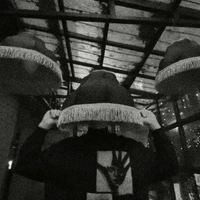

Chimera: Compositional Image Generation using Part-based Concepting
Personalized image generative models are highly proficient at synthesizing images from text or a single image, yet they lack explicit control for composing objects from specific parts of multiple source images without user specified masks or annotations. To address this, we introduce Chimera, a personalized image generation model that generates novel objects by combining specified parts from different source images according to textual instructions. To train our model, we first construct a dataset from a taxonomy built on 464 unique (part, subject) pairs, which we term semantic atoms. From this, we generate 37k prompts and synthesize the corresponding images with a high-fidelity text-to-image model. We train a custom diffusion prior model with part-conditional guidance, which steers the image-conditioning features to enforce both semantic identity and spatial layout. We also introduce an objective metric PartEval to assess the fidelity and compositional accuracy of generation pipelines. Human evaluations and our proposed metric show that Chimera outperforms other baselines by 14% in part alignment and compositional accuracy and 21% in visual quality.
CALYPSO: LLMs as Dungeon Masters' Assistants
The role of a Dungeon Master, or DM, in the game Dungeons & Dragons is to perform multiple tasks simultaneously. The DM must digest information about the game setting and monsters, synthesize scenes to present to other players, and respond to the players' interactions with the scene. Doing all of these tasks while maintaining consistency within the narrative and story world is no small feat of human cognition, making the task tiring and unapproachable to new players. Large language models (LLMs) like GPT-3 and ChatGPT have shown remarkable abilities to generate coherent natural language text. In this paper, we conduct a formative evaluation with DMs to establish the use cases of LLMs in D&D and tabletop gaming generally. We introduce CALYPSO, a system of LLM-powered interfaces that support DMs with information and inspiration specific to their own scenario. CALYPSO distills game context into bite-sized prose and helps brainstorm ideas without distracting the DM from the game. When given access to CALYPSO, DMs reported that it generated high-fidelity text suitable for direct presentation to players, and low-fidelity ideas that the DM could develop further while maintaining their creative agency. We see CALYPSO as exemplifying a paradigm of AI-augmented tools that provide synchronous creative assistance within established game worlds, and tabletop gaming more broadly.
Raccoon: Multi-stage Diffusion Training with Coarse-to-Fine Curating Videos
Text-to-video generation has demonstrated promising progress with the advent of diffusion models, yet existing approaches are limited by dataset quality and computational resources. To address these limitations, this paper presents a comprehensive approach that advances both data curation and model design. We introduce CFC-VIDS-1M, a high-quality video dataset constructed through a systematic coarse-to-fine curation pipeline. The pipeline first evaluates video quality across multiple dimensions, followed by a fine-grained stage that leverages vision-language models to enhance text-video alignment and semantic richness. Building upon the curated dataset's emphasis on visual quality and temporal coherence, we develop RACCOON, a transformer-based architecture with decoupled spatial-temporal attention mechanisms. The model is trained through a progressive four-stage strategy designed to efficiently handle the complexities of video generation. Extensive experiments demonstrate that our integrated approach of high-quality data curation and efficient training strategy generates visually appealing and temporally coherent videos while maintaining computational efficiency. We will release our dataset, code, and models.
A Self-Refining Framework for Enhancing ASR Using TTS-Synthesized Data
We propose a self-refining framework that enhances ASR performance with only unlabeled datasets. The process starts with an existing ASR model generating pseudo-labels on unannotated speech, which are then used to train a high-fidelity text-to-speech (TTS) system. Then, synthesized speech text pairs are bootstrapped into the original ASR system, completing the closed-loop self-improvement cycle. We demonstrated the effectiveness of the framework on Taiwanese Mandarin speech. Leveraging 6,000 hours of unlabeled speech, a moderate amount of text data, and synthetic content from the AI models, we adapt Whisper-large-v2 into a specialized model, Twister. Twister reduces error rates by up to 20% on Mandarin and 50% on Mandarin-English code-switching benchmarks compared to Whisper. Results highlight the framework as a compelling alternative to pseudo-labeling self-distillation approaches and provides a practical pathway for improving ASR performance in low-resource or domain-specific settings.




Illustrator's Depth: Monocular Layer Index Prediction for Image Decomposition
We introduce Illustrator's Depth, a novel definition of depth that addresses a key challenge in digital content creation: decomposing flat images into editable, ordered layers. Inspired by an artist's compositional process, illustrator's depth infers a layer index to each pixel, forming an interpretable image decomposition through a discrete, globally consistent ordering of elements optimized for editability. We also propose and train a neural network using a curated dataset of layered vector graphics to predict layering directly from raster inputs. Our layer index inference unlocks a range of powerful downstream applications. In particular, it significantly outperforms state-of-the-art baselines for image vectorization while also enabling high-fidelity text-to-vector-graphics generation, automatic 3D relief generation from 2D images, and intuitive depth-aware editing. By reframing depth from a physical quantity to a creative abstraction, illustrator's depth prediction offers a new foundation for editable image decomposition.
DreamText: High Fidelity Scene Text Synthesis
Scene text synthesis involves rendering specified texts onto arbitrary images. Current methods typically formulate this task in an end-to-end manner but lack effective character-level guidance during training. Besides, their text encoders, pre-trained on a single font type, struggle to adapt to the diverse font styles encountered in practical applications. Consequently, these methods suffer from character distortion, repetition, and absence, particularly in polystylistic scenarios. To this end, this paper proposes DreamText for high-fidelity scene text synthesis. Our key idea is to reconstruct the diffusion training process, introducing more refined guidance tailored to this task, to expose and rectify the model's attention at the character level and strengthen its learning of text regions. This transformation poses a hybrid optimization challenge, involving both discrete and continuous variables. To effectively tackle this challenge, we employ a heuristic alternate optimization strategy. Meanwhile, we jointly train the text encoder and generator to comprehensively learn and utilize the diverse font present in the training dataset. This joint training is seamlessly integrated into the alternate optimization process, fostering a synergistic relationship between learning character embedding and re-estimating character attention. Specifically, in each step, we first encode potential character-generated position information from cross-attention maps into latent character masks. These masks are then utilized to update the representation of specific characters in the current step, which, in turn, enables the generator to correct the character's attention in the subsequent steps. Both qualitative and quantitative results demonstrate the superiority of our method to the state of the art.

AlignVid: Training-Free Attention Scaling for Semantic Fidelity in Text-Guided Image-to-Video Generation
Text-guided image-to-video (TI2V) generation has recently achieved remarkable progress, particularly in maintaining subject consistency and temporal coherence. However, existing methods still struggle to adhere to fine-grained prompt semantics, especially when prompts entail substantial transformations of the input image (e.g., object addition, deletion, or modification), a shortcoming we term semantic negligence. In a pilot study, we find that applying a Gaussian blur to the input image improves semantic adherence. Analyzing attention maps, we observe clearer foreground-background separation. From an energy perspective, this corresponds to a lower-entropy cross-attention distribution. Motivated by this, we introduce AlignVid, a training-free framework with two components: (i) Attention Scaling Modulation (ASM), which directly reweights attention via lightweight Q or K scaling, and (ii) Guidance Scheduling (GS), which applies ASM selectively across transformer blocks and denoising steps to reduce visual quality degradation. This minimal intervention improves prompt adherence while limiting aesthetic degradation. In addition, we introduce OmitI2V to evaluate semantic negligence in TI2V generation, comprising 367 human-annotated samples that span addition, deletion, and modification scenarios. Extensive experiments demonstrate that AlignVid can enhance semantic fidelity.


Enhancing Semantic Fidelity in Text-to-Image Synthesis: Attention Regulation in Diffusion Models
Recent advancements in diffusion models have notably improved the perceptual quality of generated images in text-to-image synthesis tasks. However, diffusion models often struggle to produce images that accurately reflect the intended semantics of the associated text prompts. We examine cross-attention layers in diffusion models and observe a propensity for these layers to disproportionately focus on certain tokens during the generation process, thereby undermining semantic fidelity. To address the issue of dominant attention, we introduce attention regulation, a computation-efficient on-the-fly optimization approach at inference time to align attention maps with the input text prompt. Notably, our method requires no additional training or fine-tuning and serves as a plug-in module on a model. Hence, the generation capacity of the original model is fully preserved. We compare our approach with alternative approaches across various datasets, evaluation metrics, and diffusion models. Experiment results show that our method consistently outperforms other baselines, yielding images that more faithfully reflect the desired concepts with reduced computation overhead. Code is available at https://github.com/YaNgZhAnG-V5/attention_regulation.
GlyphMastero: A Glyph Encoder for High-Fidelity Scene Text Editing
Scene text editing, a subfield of image editing, requires modifying texts in images while preserving style consistency and visual coherence with the surrounding environment. While diffusion-based methods have shown promise in text generation, they still struggle to produce high-quality results. These methods often generate distorted or unrecognizable characters, particularly when dealing with complex characters like Chinese. In such systems, characters are composed of intricate stroke patterns and spatial relationships that must be precisely maintained. We present GlyphMastero, a specialized glyph encoder designed to guide the latent diffusion model for generating texts with stroke-level precision. Our key insight is that existing methods, despite using pretrained OCR models for feature extraction, fail to capture the hierarchical nature of text structures - from individual strokes to stroke-level interactions to overall character-level structure. To address this, our glyph encoder explicitly models and captures the cross-level interactions between local-level individual characters and global-level text lines through our novel glyph attention module. Meanwhile, our model implements a feature pyramid network to fuse the multi-scale OCR backbone features at the global-level. Through these cross-level and multi-scale fusions, we obtain more detailed glyph-aware guidance, enabling precise control over the scene text generation process. Our method achieves an 18.02\% improvement in sentence accuracy over the state-of-the-art multi-lingual scene text editing baseline, while simultaneously reducing the text-region Fr\'echet inception distance by 53.28\%.
Optimizing Negative Prompts for Enhanced Aesthetics and Fidelity in Text-To-Image Generation
In text-to-image generation, using negative prompts, which describe undesirable image characteristics, can significantly boost image quality. However, producing good negative prompts is manual and tedious. To address this, we propose NegOpt, a novel method for optimizing negative prompt generation toward enhanced image generation, using supervised fine-tuning and reinforcement learning. Our combined approach results in a substantial increase of 25% in Inception Score compared to other approaches and surpasses ground-truth negative prompts from the test set. Furthermore, with NegOpt we can preferentially optimize the metrics most important to us. Finally, we construct Negative Prompts DB, a dataset of negative prompts.

DP-Adapter: Dual-Pathway Adapter for Boosting Fidelity and Text Consistency in Customizable Human Image Generation
With the growing popularity of personalized human content creation and sharing, there is a rising demand for advanced techniques in customized human image generation. However, current methods struggle to simultaneously maintain the fidelity of human identity and ensure the consistency of textual prompts, often resulting in suboptimal outcomes. This shortcoming is primarily due to the lack of effective constraints during the simultaneous integration of visual and textual prompts, leading to unhealthy mutual interference that compromises the full expression of both types of input. Building on prior research that suggests visual and textual conditions influence different regions of an image in distinct ways, we introduce a novel Dual-Pathway Adapter (DP-Adapter) to enhance both high-fidelity identity preservation and textual consistency in personalized human image generation. Our approach begins by decoupling the target human image into visually sensitive and text-sensitive regions. For visually sensitive regions, DP-Adapter employs an Identity-Enhancing Adapter (IEA) to preserve detailed identity features. For text-sensitive regions, we introduce a Textual-Consistency Adapter (TCA) to minimize visual interference and ensure the consistency of textual semantics. To seamlessly integrate these pathways, we develop a Fine-Grained Feature-Level Blending (FFB) module that efficiently combines hierarchical semantic features from both pathways, resulting in more natural and coherent synthesis outcomes. Additionally, DP-Adapter supports various innovative applications, including controllable headshot-to-full-body portrait generation, age editing, old-photo to reality, and expression editing.
QARI-OCR: High-Fidelity Arabic Text Recognition through Multimodal Large Language Model Adaptation
The inherent complexities of Arabic script; its cursive nature, diacritical marks (tashkeel), and varied typography, pose persistent challenges for Optical Character Recognition (OCR). We present Qari-OCR, a series of vision-language models derived from Qwen2-VL-2B-Instruct, progressively optimized for Arabic through iterative fine-tuning on specialized synthetic datasets. Our leading model, QARI v0.2, establishes a new open-source state-of-the-art with a Word Error Rate (WER) of 0.160, Character Error Rate (CER) of 0.061, and BLEU score of 0.737 on diacritically-rich texts. Qari-OCR demonstrates superior handling of tashkeel, diverse fonts, and document layouts, alongside impressive performance on low-resolution images. Further explorations (QARI v0.3) showcase strong potential for structural document understanding and handwritten text. This work delivers a marked improvement in Arabic OCR accuracy and efficiency, with all models and datasets released to foster further research.




SceneBooth: Diffusion-based Framework for Subject-preserved Text-to-Image Generation
Due to the demand for personalizing image generation, subject-driven text-to-image generation method, which creates novel renditions of an input subject based on text prompts, has received growing research interest. Existing methods often learn subject representation and incorporate it into the prompt embedding to guide image generation, but they struggle with preserving subject fidelity. To solve this issue, this paper approaches a novel framework named SceneBooth for subject-preserved text-to-image generation, which consumes inputs of a subject image, object phrases and text prompts. Instead of learning the subject representation and generating a subject, our SceneBooth fixes the given subject image and generates its background image guided by the text prompts. To this end, our SceneBooth introduces two key components, i.e., a multimodal layout generation module and a background painting module. The former determines the position and scale of the subject by generating appropriate scene layouts that align with text captions, object phrases, and subject visual information. The latter integrates two adapters (ControlNet and Gated Self-Attention) into the latent diffusion model to generate a background that harmonizes with the subject guided by scene layouts and text descriptions. In this manner, our SceneBooth ensures accurate preservation of the subject's appearance in the output. Quantitative and qualitative experimental results demonstrate that SceneBooth significantly outperforms baseline methods in terms of subject preservation, image harmonization and overall quality.
Steering Guidance for Personalized Text-to-Image Diffusion Models
Personalizing text-to-image diffusion models is crucial for adapting the pre-trained models to specific target concepts, enabling diverse image generation. However, fine-tuning with few images introduces an inherent trade-off between aligning with the target distribution (e.g., subject fidelity) and preserving the broad knowledge of the original model (e.g., text editability). Existing sampling guidance methods, such as classifier-free guidance (CFG) and autoguidance (AG), fail to effectively guide the output toward well-balanced space: CFG restricts the adaptation to the target distribution, while AG compromises text alignment. To address these limitations, we propose personalization guidance, a simple yet effective method leveraging an unlearned weak model conditioned on a null text prompt. Moreover, our method dynamically controls the extent of unlearning in a weak model through weight interpolation between pre-trained and fine-tuned models during inference. Unlike existing guidance methods, which depend solely on guidance scales, our method explicitly steers the outputs toward a balanced latent space without additional computational overhead. Experimental results demonstrate that our proposed guidance can improve text alignment and target distribution fidelity, integrating seamlessly with various fine-tuning strategies.
Learning to Customize Text-to-Image Diffusion In Diverse Context
Most text-to-image customization techniques fine-tune models on a small set of personal concept images captured in minimal contexts. This often results in the model becoming overfitted to these training images and unable to generalize to new contexts in future text prompts. Existing customization methods are built on the success of effectively representing personal concepts as textual embeddings. Thus, in this work, we resort to diversifying the context of these personal concepts solely within the textual space by simply creating a contextually rich set of text prompts, together with a widely used self-supervised learning objective. Surprisingly, this straightforward and cost-effective method significantly improves semantic alignment in the textual space, and this effect further extends to the image space, resulting in higher prompt fidelity for generated images. Additionally, our approach does not require any architectural modifications, making it highly compatible with existing text-to-image customization methods. We demonstrate the broad applicability of our approach by combining it with four different baseline methods, achieving notable CLIP score improvements.
Tuning-Free Image Editing with Fidelity and Editability via Unified Latent Diffusion Model
Balancing fidelity and editability is essential in text-based image editing (TIE), where failures commonly lead to over- or under-editing issues. Existing methods typically rely on attention injections for structure preservation and leverage the inherent text alignment capabilities of pre-trained text-to-image (T2I) models for editability, but they lack explicit and unified mechanisms to properly balance these two objectives. In this work, we introduce UnifyEdit, a tuning-free method that performs diffusion latent optimization to enable a balanced integration of fidelity and editability within a unified framework. Unlike direct attention injections, we develop two attention-based constraints: a self-attention (SA) preservation constraint for structural fidelity, and a cross-attention (CA) alignment constraint to enhance text alignment for improved editability. However, simultaneously applying both constraints can lead to gradient conflicts, where the dominance of one constraint results in over- or under-editing. To address this challenge, we introduce an adaptive time-step scheduler that dynamically adjusts the influence of these constraints, guiding the diffusion latent toward an optimal balance. Extensive quantitative and qualitative experiments validate the effectiveness of our approach, demonstrating its superiority in achieving a robust balance between structure preservation and text alignment across various editing tasks, outperforming other state-of-the-art methods. The source code will be available at https://github.com/CUC-MIPG/UnifyEdit.

YINYANG-ALIGN: Benchmarking Contradictory Objectives and Proposing Multi-Objective Optimization based DPO for Text-to-Image Alignment
Precise alignment in Text-to-Image (T2I) systems is crucial to ensure that generated visuals not only accurately encapsulate user intents but also conform to stringent ethical and aesthetic benchmarks. Incidents like the Google Gemini fiasco, where misaligned outputs triggered significant public backlash, underscore the critical need for robust alignment mechanisms. In contrast, Large Language Models (LLMs) have achieved notable success in alignment. Building on these advancements, researchers are eager to apply similar alignment techniques, such as Direct Preference Optimization (DPO), to T2I systems to enhance image generation fidelity and reliability. We present YinYangAlign, an advanced benchmarking framework that systematically quantifies the alignment fidelity of T2I systems, addressing six fundamental and inherently contradictory design objectives. Each pair represents fundamental tensions in image generation, such as balancing adherence to user prompts with creative modifications or maintaining diversity alongside visual coherence. YinYangAlign includes detailed axiom datasets featuring human prompts, aligned (chosen) responses, misaligned (rejected) AI-generated outputs, and explanations of the underlying contradictions.

Paint-it: Text-to-Texture Synthesis via Deep Convolutional Texture Map Optimization and Physically-Based Rendering
We present Paint-it, a text-driven high-fidelity texture map synthesis method for 3D meshes via neural re-parameterized texture optimization. Paint-it synthesizes texture maps from a text description by synthesis-through-optimization, exploiting the Score-Distillation Sampling (SDS). We observe that directly applying SDS yields undesirable texture quality due to its noisy gradients. We reveal the importance of texture parameterization when using SDS. Specifically, we propose Deep Convolutional Physically-Based Rendering (DC-PBR) parameterization, which re-parameterizes the physically-based rendering (PBR) texture maps with randomly initialized convolution-based neural kernels, instead of a standard pixel-based parameterization. We show that DC-PBR inherently schedules the optimization curriculum according to texture frequency and naturally filters out the noisy signals from SDS. In experiments, Paint-it obtains remarkable quality PBR texture maps within 15 min., given only a text description. We demonstrate the generalizability and practicality of Paint-it by synthesizing high-quality texture maps for large-scale mesh datasets and showing test-time applications such as relighting and material control using a popular graphics engine. Project page: https://kim-youwang.github.io/paint-it


TextCtrl: Diffusion-based Scene Text Editing with Prior Guidance Control
Centred on content modification and style preservation, Scene Text Editing (STE) remains a challenging task despite considerable progress in text-to-image synthesis and text-driven image manipulation recently. GAN-based STE methods generally encounter a common issue of model generalization, while Diffusion-based STE methods suffer from undesired style deviations. To address these problems, we propose TextCtrl, a diffusion-based method that edits text with prior guidance control. Our method consists of two key components: (i) By constructing fine-grained text style disentanglement and robust text glyph structure representation, TextCtrl explicitly incorporates Style-Structure guidance into model design and network training, significantly improving text style consistency and rendering accuracy. (ii) To further leverage the style prior, a Glyph-adaptive Mutual Self-attention mechanism is proposed which deconstructs the implicit fine-grained features of the source image to enhance style consistency and vision quality during inference. Furthermore, to fill the vacancy of the real-world STE evaluation benchmark, we create the first real-world image-pair dataset termed ScenePair for fair comparisons. Experiments demonstrate the effectiveness of TextCtrl compared with previous methods concerning both style fidelity and text accuracy.

Make-A-Scene: Scene-Based Text-to-Image Generation with Human Priors
Recent text-to-image generation methods provide a simple yet exciting conversion capability between text and image domains. While these methods have incrementally improved the generated image fidelity and text relevancy, several pivotal gaps remain unanswered, limiting applicability and quality. We propose a novel text-to-image method that addresses these gaps by (i) enabling a simple control mechanism complementary to text in the form of a scene, (ii) introducing elements that substantially improve the tokenization process by employing domain-specific knowledge over key image regions (faces and salient objects), and (iii) adapting classifier-free guidance for the transformer use case. Our model achieves state-of-the-art FID and human evaluation results, unlocking the ability to generate high fidelity images in a resolution of 512x512 pixels, significantly improving visual quality. Through scene controllability, we introduce several new capabilities: (i) Scene editing, (ii) text editing with anchor scenes, (iii) overcoming out-of-distribution text prompts, and (iv) story illustration generation, as demonstrated in the story we wrote.

Negative-Guided Subject Fidelity Optimization for Zero-Shot Subject-Driven Generation
We present Subject Fidelity Optimization (SFO), a novel comparative learning framework for zero-shot subject-driven generation that enhances subject fidelity. Beyond supervised fine-tuning methods that rely only on positive targets and use the diffusion loss as in the pre-training stage, SFO introduces synthetic negative targets and explicitly guides the model to favor positives over negatives through pairwise comparison. For negative targets, we propose Condition-Degradation Negative Sampling (CDNS), which automatically generates distinctive and informative negatives by intentionally degrading visual and textual cues without expensive human annotations. Moreover, we reweight the diffusion timesteps to focus finetuning on intermediate steps where subject details emerge. Extensive experiments demonstrate that SFO with CDNS significantly outperforms baselines in terms of both subject fidelity and text alignment on a subject-driven generation benchmark. Project page: https://subjectfidelityoptimization.github.io/


Rewards Are Enough for Fast Photo-Realistic Text-to-image Generation
Aligning generated images to complicated text prompts and human preferences is a central challenge in Artificial Intelligence-Generated Content (AIGC). With reward-enhanced diffusion distillation emerging as a promising approach that boosts controllability and fidelity of text-to-image models, we identify a fundamental paradigm shift: as conditions become more specific and reward signals stronger, the rewards themselves become the dominant force in generation. In contrast, the diffusion losses serve as an overly expensive form of regularization. To thoroughly validate our hypothesis, we introduce R0, a novel conditional generation approach via regularized reward maximization. Instead of relying on tricky diffusion distillation losses, R0 proposes a new perspective that treats image generations as an optimization problem in data space which aims to search for valid images that have high compositional rewards. By innovative designs of the generator parameterization and proper regularization techniques, we train state-of-the-art few-step text-to-image generative models with R0 at scales. Our results challenge the conventional wisdom of diffusion post-training and conditional generation by demonstrating that rewards play a dominant role in scenarios with complex conditions. We hope our findings can contribute to further research into human-centric and reward-centric generation paradigms across the broader field of AIGC. Code is available at https://github.com/Luo-Yihong/R0.


Optimal Control Meets Flow Matching: A Principled Route to Multi-Subject Fidelity
Text-to-image (T2I) models excel on single-entity prompts but struggle with multi-subject descriptions, often showing attribute leakage, identity entanglement, and subject omissions. We introduce the first theoretical framework with a principled, optimizable objective for steering sampling dynamics toward multi-subject fidelity. Viewing flow matching (FM) through stochastic optimal control (SOC), we formulate subject disentanglement as control over a trained FM sampler. This yields two architecture-agnostic algorithms: (i) a training-free test-time controller that perturbs the base velocity with a single-pass update, and (ii) Adjoint Matching, a lightweight fine-tuning rule that regresses a control network to a backward adjoint signal while preserving base-model capabilities. The same formulation unifies prior attention heuristics, extends to diffusion models via a flow-diffusion correspondence, and provides the first fine-tuning route explicitly designed for multi-subject fidelity. Empirically, on Stable Diffusion 3.5, FLUX, and Stable Diffusion XL, both algorithms consistently improve multi-subject alignment while maintaining base-model style. Test-time control runs efficiently on commodity GPUs, and fine-tuned controllers trained on limited prompts generalize to unseen ones. We further highlight FOCUS (Flow Optimal Control for Unentangled Subjects), which achieves state-of-the-art multi-subject fidelity across models.

Object-Driven One-Shot Fine-tuning of Text-to-Image Diffusion with Prototypical Embedding
As large-scale text-to-image generation models have made remarkable progress in the field of text-to-image generation, many fine-tuning methods have been proposed. However, these models often struggle with novel objects, especially with one-shot scenarios. Our proposed method aims to address the challenges of generalizability and fidelity in an object-driven way, using only a single input image and the object-specific regions of interest. To improve generalizability and mitigate overfitting, in our paradigm, a prototypical embedding is initialized based on the object's appearance and its class, before fine-tuning the diffusion model. And during fine-tuning, we propose a class-characterizing regularization to preserve prior knowledge of object classes. To further improve fidelity, we introduce object-specific loss, which can also use to implant multiple objects. Overall, our proposed object-driven method for implanting new objects can integrate seamlessly with existing concepts as well as with high fidelity and generalization. Our method outperforms several existing works. The code will be released.


Sketch2NeRF: Multi-view Sketch-guided Text-to-3D Generation
Recently, text-to-3D approaches have achieved high-fidelity 3D content generation using text description. However, the generated objects are stochastic and lack fine-grained control. Sketches provide a cheap approach to introduce such fine-grained control. Nevertheless, it is challenging to achieve flexible control from these sketches due to their abstraction and ambiguity. In this paper, we present a multi-view sketch-guided text-to-3D generation framework (namely, Sketch2NeRF) to add sketch control to 3D generation. Specifically, our method leverages pretrained 2D diffusion models (e.g., Stable Diffusion and ControlNet) to supervise the optimization of a 3D scene represented by a neural radiance field (NeRF). We propose a novel synchronized generation and reconstruction method to effectively optimize the NeRF. In the experiments, we collected two kinds of multi-view sketch datasets to evaluate the proposed method. We demonstrate that our method can synthesize 3D consistent contents with fine-grained sketch control while being high-fidelity to text prompts. Extensive results show that our method achieves state-of-the-art performance in terms of sketch similarity and text alignment.


Open-PMC-18M: A High-Fidelity Large Scale Medical Dataset for Multimodal Representation Learning
Compound figures, which are multi-panel composites containing diverse subfigures, are ubiquitous in biomedical literature, yet large-scale subfigure extraction remains largely unaddressed. Prior work on subfigure extraction has been limited in both dataset size and generalizability, leaving a critical open question: How does high-fidelity image-text alignment via large-scale subfigure extraction impact representation learning in vision-language models? We address this gap by introducing a scalable subfigure extraction pipeline based on transformer-based object detection, trained on a synthetic corpus of 500,000 compound figures, and achieving state-of-the-art performance on both ImageCLEF 2016 and synthetic benchmarks. Using this pipeline, we release OPEN-PMC-18M, a large-scale high quality biomedical vision-language dataset comprising 18 million clinically relevant subfigure-caption pairs spanning radiology, microscopy, and visible light photography. We train and evaluate vision-language models on our curated datasets and show improved performance across retrieval, zero-shot classification, and robustness benchmarks, outperforming existing baselines. We release our dataset, models, and code to support reproducible benchmarks and further study into biomedical vision-language modeling and representation learning.
AnyStory: Towards Unified Single and Multiple Subject Personalization in Text-to-Image Generation
Recently, large-scale generative models have demonstrated outstanding text-to-image generation capabilities. However, generating high-fidelity personalized images with specific subjects still presents challenges, especially in cases involving multiple subjects. In this paper, we propose AnyStory, a unified approach for personalized subject generation. AnyStory not only achieves high-fidelity personalization for single subjects, but also for multiple subjects, without sacrificing subject fidelity. Specifically, AnyStory models the subject personalization problem in an "encode-then-route" manner. In the encoding step, AnyStory utilizes a universal and powerful image encoder, i.e., ReferenceNet, in conjunction with CLIP vision encoder to achieve high-fidelity encoding of subject features. In the routing step, AnyStory utilizes a decoupled instance-aware subject router to accurately perceive and predict the potential location of the corresponding subject in the latent space, and guide the injection of subject conditions. Detailed experimental results demonstrate the excellent performance of our method in retaining subject details, aligning text descriptions, and personalizing for multiple subjects. The project page is at https://aigcdesigngroup.github.io/AnyStory/ .


SceneTextStylizer: A Training-Free Scene Text Style Transfer Framework with Diffusion Model
With the rapid development of diffusion models, style transfer has made remarkable progress. However, flexible and localized style editing for scene text remains an unsolved challenge. Although existing scene text editing methods have achieved text region editing, they are typically limited to content replacement and simple styles, which lack the ability of free-style transfer. In this paper, we introduce SceneTextStylizer, a novel training-free diffusion-based framework for flexible and high-fidelity style transfer of text in scene images. Unlike prior approaches that either perform global style transfer or focus solely on textual content modification, our method enables prompt-guided style transformation specifically for text regions, while preserving both text readability and stylistic consistency. To achieve this, we design a feature injection module that leverages diffusion model inversion and self-attention to transfer style features effectively. Additionally, a region control mechanism is introduced by applying a distance-based changing mask at each denoising step, enabling precise spatial control. To further enhance visual quality, we incorporate a style enhancement module based on the Fourier transform to reinforce stylistic richness. Extensive experiments demonstrate that our method achieves superior performance in scene text style transformation, outperforming existing state-of-the-art methods in both visual fidelity and text preservation.
Imagen Editor and EditBench: Advancing and Evaluating Text-Guided Image Inpainting
Text-guided image editing can have a transformative impact in supporting creative applications. A key challenge is to generate edits that are faithful to input text prompts, while consistent with input images. We present Imagen Editor, a cascaded diffusion model built, by fine-tuning Imagen on text-guided image inpainting. Imagen Editor's edits are faithful to the text prompts, which is accomplished by using object detectors to propose inpainting masks during training. In addition, Imagen Editor captures fine details in the input image by conditioning the cascaded pipeline on the original high resolution image. To improve qualitative and quantitative evaluation, we introduce EditBench, a systematic benchmark for text-guided image inpainting. EditBench evaluates inpainting edits on natural and generated images exploring objects, attributes, and scenes. Through extensive human evaluation on EditBench, we find that object-masking during training leads to across-the-board improvements in text-image alignment -- such that Imagen Editor is preferred over DALL-E 2 and Stable Diffusion -- and, as a cohort, these models are better at object-rendering than text-rendering, and handle material/color/size attributes better than count/shape attributes.

UNCAGE: Contrastive Attention Guidance for Masked Generative Transformers in Text-to-Image Generation
Text-to-image (T2I) generation has been actively studied using Diffusion Models and Autoregressive Models. Recently, Masked Generative Transformers have gained attention as an alternative to Autoregressive Models to overcome the inherent limitations of causal attention and autoregressive decoding through bidirectional attention and parallel decoding, enabling efficient and high-quality image generation. However, compositional T2I generation remains challenging, as even state-of-the-art Diffusion Models often fail to accurately bind attributes and achieve proper text-image alignment. While Diffusion Models have been extensively studied for this issue, Masked Generative Transformers exhibit similar limitations but have not been explored in this context. To address this, we propose Unmasking with Contrastive Attention Guidance (UNCAGE), a novel training-free method that improves compositional fidelity by leveraging attention maps to prioritize the unmasking of tokens that clearly represent individual objects. UNCAGE consistently improves performance in both quantitative and qualitative evaluations across multiple benchmarks and metrics, with negligible inference overhead. Our code is available at https://github.com/furiosa-ai/uncage.


FreeGraftor: Training-Free Cross-Image Feature Grafting for Subject-Driven Text-to-Image Generation
Subject-driven image generation aims to synthesize novel scenes that faithfully preserve subject identity from reference images while adhering to textual guidance, yet existing methods struggle with a critical trade-off between fidelity and efficiency. Tuning-based approaches rely on time-consuming and resource-intensive subject-specific optimization, while zero-shot methods fail to maintain adequate subject consistency. In this work, we propose FreeGraftor, a training-free framework that addresses these limitations through cross-image feature grafting. Specifically, FreeGraftor employs semantic matching and position-constrained attention fusion to transfer visual details from reference subjects to the generated image. Additionally, our framework incorporates a novel noise initialization strategy to preserve geometry priors of reference subjects for robust feature matching. Extensive qualitative and quantitative experiments demonstrate that our method enables precise subject identity transfer while maintaining text-aligned scene synthesis. Without requiring model fine-tuning or additional training, FreeGraftor significantly outperforms existing zero-shot and training-free approaches in both subject fidelity and text alignment. Furthermore, our framework can seamlessly extend to multi-subject generation, making it practical for real-world deployment. Our code is available at https://github.com/Nihukat/FreeGraftor.
MULAN: A Multi Layer Annotated Dataset for Controllable Text-to-Image Generation
Text-to-image generation has achieved astonishing results, yet precise spatial controllability and prompt fidelity remain highly challenging. This limitation is typically addressed through cumbersome prompt engineering, scene layout conditioning, or image editing techniques which often require hand drawn masks. Nonetheless, pre-existing works struggle to take advantage of the natural instance-level compositionality of scenes due to the typically flat nature of rasterized RGB output images. Towards adressing this challenge, we introduce MuLAn: a novel dataset comprising over 44K MUlti-Layer ANnotations of RGB images as multilayer, instance-wise RGBA decompositions, and over 100K instance images. To build MuLAn, we developed a training free pipeline which decomposes a monocular RGB image into a stack of RGBA layers comprising of background and isolated instances. We achieve this through the use of pretrained general-purpose models, and by developing three modules: image decomposition for instance discovery and extraction, instance completion to reconstruct occluded areas, and image re-assembly. We use our pipeline to create MuLAn-COCO and MuLAn-LAION datasets, which contain a variety of image decompositions in terms of style, composition and complexity. With MuLAn, we provide the first photorealistic resource providing instance decomposition and occlusion information for high quality images, opening up new avenues for text-to-image generative AI research. With this, we aim to encourage the development of novel generation and editing technology, in particular layer-wise solutions. MuLAn data resources are available at https://MuLAn-dataset.github.io/.


T-LoRA: Single Image Diffusion Model Customization Without Overfitting
While diffusion model fine-tuning offers a powerful approach for customizing pre-trained models to generate specific objects, it frequently suffers from overfitting when training samples are limited, compromising both generalization capability and output diversity. This paper tackles the challenging yet most impactful task of adapting a diffusion model using just a single concept image, as single-image customization holds the greatest practical potential. We introduce T-LoRA, a Timestep-Dependent Low-Rank Adaptation framework specifically designed for diffusion model personalization. In our work we show that higher diffusion timesteps are more prone to overfitting than lower ones, necessitating a timestep-sensitive fine-tuning strategy. T-LoRA incorporates two key innovations: (1) a dynamic fine-tuning strategy that adjusts rank-constrained updates based on diffusion timesteps, and (2) a weight parametrization technique that ensures independence between adapter components through orthogonal initialization. Extensive experiments show that T-LoRA and its individual components outperform standard LoRA and other diffusion model personalization techniques. They achieve a superior balance between concept fidelity and text alignment, highlighting the potential of T-LoRA in data-limited and resource-constrained scenarios. Code is available at https://github.com/ControlGenAI/T-LoRA.




VideoGuide: Improving Video Diffusion Models without Training Through a Teacher's Guide
Text-to-image (T2I) diffusion models have revolutionized visual content creation, but extending these capabilities to text-to-video (T2V) generation remains a challenge, particularly in preserving temporal consistency. Existing methods that aim to improve consistency often cause trade-offs such as reduced imaging quality and impractical computational time. To address these issues we introduce VideoGuide, a novel framework that enhances the temporal consistency of pretrained T2V models without the need for additional training or fine-tuning. Instead, VideoGuide leverages any pretrained video diffusion model (VDM) or itself as a guide during the early stages of inference, improving temporal quality by interpolating the guiding model's denoised samples into the sampling model's denoising process. The proposed method brings about significant improvement in temporal consistency and image fidelity, providing a cost-effective and practical solution that synergizes the strengths of various video diffusion models. Furthermore, we demonstrate prior distillation, revealing that base models can achieve enhanced text coherence by utilizing the superior data prior of the guiding model through the proposed method. Project Page: http://videoguide2025.github.io/



MMGDreamer: Mixed-Modality Graph for Geometry-Controllable 3D Indoor Scene Generation
Controllable 3D scene generation has extensive applications in virtual reality and interior design, where the generated scenes should exhibit high levels of realism and controllability in terms of geometry. Scene graphs provide a suitable data representation that facilitates these applications. However, current graph-based methods for scene generation are constrained to text-based inputs and exhibit insufficient adaptability to flexible user inputs, hindering the ability to precisely control object geometry. To address this issue, we propose MMGDreamer, a dual-branch diffusion model for scene generation that incorporates a novel Mixed-Modality Graph, visual enhancement module, and relation predictor. The mixed-modality graph allows object nodes to integrate textual and visual modalities, with optional relationships between nodes. It enhances adaptability to flexible user inputs and enables meticulous control over the geometry of objects in the generated scenes. The visual enhancement module enriches the visual fidelity of text-only nodes by constructing visual representations using text embeddings. Furthermore, our relation predictor leverages node representations to infer absent relationships between nodes, resulting in more coherent scene layouts. Extensive experimental results demonstrate that MMGDreamer exhibits superior control of object geometry, achieving state-of-the-art scene generation performance. Project page: https://yangzhifeio.github.io/project/MMGDreamer.


Rethinking Cross-Modal Interaction in Multimodal Diffusion Transformers
Multimodal Diffusion Transformers (MM-DiTs) have achieved remarkable progress in text-driven visual generation. However, even state-of-the-art MM-DiT models like FLUX struggle with achieving precise alignment between text prompts and generated content. We identify two key issues in the attention mechanism of MM-DiT, namely 1) the suppression of cross-modal attention due to token imbalance between visual and textual modalities and 2) the lack of timestep-aware attention weighting, which hinder the alignment. To address these issues, we propose Temperature-Adjusted Cross-modal Attention (TACA), a parameter-efficient method that dynamically rebalances multimodal interactions through temperature scaling and timestep-dependent adjustment. When combined with LoRA fine-tuning, TACA significantly enhances text-image alignment on the T2I-CompBench benchmark with minimal computational overhead. We tested TACA on state-of-the-art models like FLUX and SD3.5, demonstrating its ability to improve image-text alignment in terms of object appearance, attribute binding, and spatial relationships. Our findings highlight the importance of balancing cross-modal attention in improving semantic fidelity in text-to-image diffusion models. Our codes are publicly available at https://github.com/Vchitect/TACA


CoT-lized Diffusion: Let's Reinforce T2I Generation Step-by-step
Current text-to-image (T2I) generation models struggle to align spatial composition with the input text, especially in complex scenes. Even layout-based approaches yield suboptimal spatial control, as their generation process is decoupled from layout planning, making it difficult to refine the layout during synthesis. We present CoT-Diff, a framework that brings step-by-step CoT-style reasoning into T2I generation by tightly integrating Multimodal Large Language Model (MLLM)-driven 3D layout planning with the diffusion process. CoT-Diff enables layout-aware reasoning inline within a single diffusion round: at each denoising step, the MLLM evaluates intermediate predictions, dynamically updates the 3D scene layout, and continuously guides the generation process. The updated layout is converted into semantic conditions and depth maps, which are fused into the diffusion model via a condition-aware attention mechanism, enabling precise spatial control and semantic injection. Experiments on 3D Scene benchmarks show that CoT-Diff significantly improves spatial alignment and compositional fidelity, and outperforms the state-of-the-art method by 34.7% in complex scene spatial accuracy, thereby validating the effectiveness of this entangled generation paradigm.
Enhancing Motion Dynamics of Image-to-Video Models via Adaptive Low-Pass Guidance
Recent text-to-video (T2V) models have demonstrated strong capabilities in producing high-quality, dynamic videos. To improve the visual controllability, recent works have considered fine-tuning pre-trained T2V models to support image-to-video (I2V) generation. However, such adaptation frequently suppresses motion dynamics of generated outputs, resulting in more static videos compared to their T2V counterparts. In this work, we analyze this phenomenon and identify that it stems from the premature exposure to high-frequency details in the input image, which biases the sampling process toward a shortcut trajectory that overfits to the static appearance of the reference image. To address this, we propose adaptive low-pass guidance (ALG), a simple fix to the I2V model sampling procedure to generate more dynamic videos without compromising per-frame image quality. Specifically, ALG adaptively modulates the frequency content of the conditioning image by applying low-pass filtering at the early stage of denoising. Extensive experiments demonstrate that ALG significantly improves the temporal dynamics of generated videos, while preserving image fidelity and text alignment. Especially, under VBench-I2V test suite, ALG achieves an average improvement of 36% in dynamic degree without a significant drop in video quality or image fidelity.


OmniPrism: Learning Disentangled Visual Concept for Image Generation
Creative visual concept generation often draws inspiration from specific concepts in a reference image to produce relevant outcomes. However, existing methods are typically constrained to single-aspect concept generation or are easily disrupted by irrelevant concepts in multi-aspect concept scenarios, leading to concept confusion and hindering creative generation. To address this, we propose OmniPrism, a visual concept disentangling approach for creative image generation. Our method learns disentangled concept representations guided by natural language and trains a diffusion model to incorporate these concepts. We utilize the rich semantic space of a multimodal extractor to achieve concept disentanglement from given images and concept guidance. To disentangle concepts with different semantics, we construct a paired concept disentangled dataset (PCD-200K), where each pair shares the same concept such as content, style, and composition. We learn disentangled concept representations through our contrastive orthogonal disentangled (COD) training pipeline, which are then injected into additional diffusion cross-attention layers for generation. A set of block embeddings is designed to adapt each block's concept domain in the diffusion models. Extensive experiments demonstrate that our method can generate high-quality, concept-disentangled results with high fidelity to text prompts and desired concepts.
LORE: Latent Optimization for Precise Semantic Control in Rectified Flow-based Image Editing
Text-driven image editing enables users to flexibly modify visual content through natural language instructions, and is widely applied to tasks such as semantic object replacement, insertion, and removal. While recent inversion-based editing methods using rectified flow models have achieved promising results in image quality, we identify a structural limitation in their editing behavior: the semantic bias toward the source concept encoded in the inverted noise tends to suppress attention to the target concept. This issue becomes particularly critical when the source and target semantics are dissimilar, where the attention mechanism inherently leads to editing failure or unintended modifications in non-target regions. In this paper, we systematically analyze and validate this structural flaw, and introduce LORE, a training-free and efficient image editing method. LORE directly optimizes the inverted noise, addressing the core limitations in generalization and controllability of existing approaches, enabling stable, controllable, and general-purpose concept replacement, without requiring architectural modification or model fine-tuning. We conduct comprehensive evaluations on three challenging benchmarks: PIEBench, SmartEdit, and GapEdit. Experimental results show that LORE significantly outperforms strong baselines in terms of semantic alignment, image quality, and background fidelity, demonstrating the effectiveness and scalability of latent-space optimization for general-purpose image editing.


CEFW: A Comprehensive Evaluation Framework for Watermark in Large Language Models
Text watermarking provides an effective solution for identifying synthetic text generated by large language models. However, existing techniques often focus on satisfying specific criteria while ignoring other key aspects, lacking a unified evaluation. To fill this gap, we propose the Comprehensive Evaluation Framework for Watermark (CEFW), a unified framework that comprehensively evaluates watermarking methods across five key dimensions: ease of detection, fidelity of text quality, minimal embedding cost, robustness to adversarial attacks, and imperceptibility to prevent imitation or forgery. By assessing watermarks according to all these key criteria, CEFW offers a thorough evaluation of their practicality and effectiveness. Moreover, we introduce a simple and effective watermarking method called Balanced Watermark (BW), which guarantees robustness and imperceptibility through balancing the way watermark information is added. Extensive experiments show that BW outperforms existing methods in overall performance across all evaluation dimensions. We release our code to the community for future research. https://github.com/DrankXs/BalancedWatermark.
FaceChain-FACT: Face Adapter with Decoupled Training for Identity-preserved Personalization
In the field of human-centric personalized image generation, the adapter-based method obtains the ability to customize and generate portraits by text-to-image training on facial data. This allows for identity-preserved personalization without additional fine-tuning in inference. Although there are improvements in efficiency and fidelity, there is often a significant performance decrease in test following ability, controllability, and diversity of generated faces compared to the base model. In this paper, we analyze that the performance degradation is attributed to the failure to decouple identity features from other attributes during extraction, as well as the failure to decouple the portrait generation training from the overall generation task. To address these issues, we propose the Face Adapter with deCoupled Training (FACT) framework, focusing on both model architecture and training strategy. To decouple identity features from others, we leverage a transformer-based face-export encoder and harness fine-grained identity features. To decouple the portrait generation training, we propose Face Adapting Increment Regularization~(FAIR), which effectively constrains the effect of face adapters on the facial region, preserving the generative ability of the base model. Additionally, we incorporate a face condition drop and shuffle mechanism, combined with curriculum learning, to enhance facial controllability and diversity. As a result, FACT solely learns identity preservation from training data, thereby minimizing the impact on the original text-to-image capabilities of the base model. Extensive experiments show that FACT has both controllability and fidelity in both text-to-image generation and inpainting solutions for portrait generation.
VideoAgentTrek: Computer Use Pretraining from Unlabeled Videos
Training computer-use agents requires massive amounts of GUI interaction data, but manually annotating action trajectories at scale is prohibitively expensive. We present VideoAgentTrek, a scalable pipeline that automatically mines training data from publicly available screen-recorded videos at web scale, eliminating the need for manual annotation. Our approach addresses a key challenge: raw videos contain implicit demonstrations but lack explicit action labels. To solve this, we develop Video2Action, an inverse dynamics module (IDM) with two components: (1) a video grounding model that detects and localizes GUI actions with precise temporal boundaries and context, and (2) an action-content recognizer that extracts structured parameters like click coordinates and typed text with high fidelity. Applied to 39,000 YouTube tutorial videos, our pipeline generates 1.52 million interaction steps automatically. We leverage this data through continued pretraining followed by supervised fine-tuning. On OSWorld-Verified, our approach improves task success rates from 9.3% (SFT-only baseline) to 15.8%, a 70% relative improvement. On AgentNetBench, step accuracy increases from 64.1% to 69.3%. Our results demonstrate that passive internet videos can be transformed into high-quality supervision for computer-use agents, providing a scalable alternative to expensive manual annotation.



AvatarStudio: High-fidelity and Animatable 3D Avatar Creation from Text
We study the problem of creating high-fidelity and animatable 3D avatars from only textual descriptions. Existing text-to-avatar methods are either limited to static avatars which cannot be animated or struggle to generate animatable avatars with promising quality and precise pose control. To address these limitations, we propose AvatarStudio, a coarse-to-fine generative model that generates explicit textured 3D meshes for animatable human avatars. Specifically, AvatarStudio begins with a low-resolution NeRF-based representation for coarse generation, followed by incorporating SMPL-guided articulation into the explicit mesh representation to support avatar animation and high resolution rendering. To ensure view consistency and pose controllability of the resulting avatars, we introduce a 2D diffusion model conditioned on DensePose for Score Distillation Sampling supervision. By effectively leveraging the synergy between the articulated mesh representation and the DensePose-conditional diffusion model, AvatarStudio can create high-quality avatars from text that are ready for animation, significantly outperforming previous methods. Moreover, it is competent for many applications, e.g., multimodal avatar animations and style-guided avatar creation. For more results, please refer to our project page: http://jeff95.me/projects/avatarstudio.html
ProlificDreamer: High-Fidelity and Diverse Text-to-3D Generation with Variational Score Distillation
Score distillation sampling (SDS) has shown great promise in text-to-3D generation by distilling pretrained large-scale text-to-image diffusion models, but suffers from over-saturation, over-smoothing, and low-diversity problems. In this work, we propose to model the 3D parameter as a random variable instead of a constant as in SDS and present variational score distillation (VSD), a principled particle-based variational framework to explain and address the aforementioned issues in text-to-3D generation. We show that SDS is a special case of VSD and leads to poor samples with both small and large CFG weights. In comparison, VSD works well with various CFG weights as ancestral sampling from diffusion models and simultaneously improves the diversity and sample quality with a common CFG weight (i.e., 7.5). We further present various improvements in the design space for text-to-3D such as distillation time schedule and density initialization, which are orthogonal to the distillation algorithm yet not well explored. Our overall approach, dubbed ProlificDreamer, can generate high rendering resolution (i.e., 512times512) and high-fidelity NeRF with rich structure and complex effects (e.g., smoke and drops). Further, initialized from NeRF, meshes fine-tuned by VSD are meticulously detailed and photo-realistic. Project page: https://ml.cs.tsinghua.edu.cn/prolificdreamer/


MobileSpeech: A Fast and High-Fidelity Framework for Mobile Zero-Shot Text-to-Speech
Zero-shot text-to-speech (TTS) has gained significant attention due to its powerful voice cloning capabilities, requiring only a few seconds of unseen speaker voice prompts. However, all previous work has been developed for cloud-based systems. Taking autoregressive models as an example, although these approaches achieve high-fidelity voice cloning, they fall short in terms of inference speed, model size, and robustness. Therefore, we propose MobileSpeech, which is a fast, lightweight, and robust zero-shot text-to-speech system based on mobile devices for the first time. Specifically: 1) leveraging discrete codec, we design a parallel speech mask decoder module called SMD, which incorporates hierarchical information from the speech codec and weight mechanisms across different codec layers during the generation process. Moreover, to bridge the gap between text and speech, we introduce a high-level probabilistic mask that simulates the progression of information flow from less to more during speech generation. 2) For speaker prompts, we extract fine-grained prompt duration from the prompt speech and incorporate text, prompt speech by cross attention in SMD. We demonstrate the effectiveness of MobileSpeech on multilingual datasets at different levels, achieving state-of-the-art results in terms of generating speed and speech quality. MobileSpeech achieves RTF of 0.09 on a single A100 GPU and we have successfully deployed MobileSpeech on mobile devices. Audio samples are available at https://mobilespeech.github.io/ .
DreamVideo: High-Fidelity Image-to-Video Generation with Image Retention and Text Guidance
Image-to-video generation, which aims to generate a video starting from a given reference image, has drawn great attention. Existing methods try to extend pre-trained text-guided image diffusion models to image-guided video generation models. Nevertheless, these methods often result in either low fidelity or flickering over time due to their limitation to shallow image guidance and poor temporal consistency. To tackle these problems, we propose a high-fidelity image-to-video generation method by devising a frame retention branch based on a pre-trained video diffusion model, named DreamVideo. Instead of integrating the reference image into the diffusion process at a semantic level, our DreamVideo perceives the reference image via convolution layers and concatenates the features with the noisy latents as model input. By this means, the details of the reference image can be preserved to the greatest extent. In addition, by incorporating double-condition classifier-free guidance, a single image can be directed to videos of different actions by providing varying prompt texts. This has significant implications for controllable video generation and holds broad application prospects. We conduct comprehensive experiments on the public dataset, and both quantitative and qualitative results indicate that our method outperforms the state-of-the-art method. Especially for fidelity, our model has a powerful image retention ability and delivers the best results in UCF101 compared to other image-to-video models to our best knowledge. Also, precise control can be achieved by giving different text prompts. Further details and comprehensive results of our model will be presented in https://anonymous0769.github.io/DreamVideo/.
MedSyn: Text-guided Anatomy-aware Synthesis of High-Fidelity 3D CT Images
This paper introduces an innovative methodology for producing high-quality 3D lung CT images guided by textual information. While diffusion-based generative models are increasingly used in medical imaging, current state-of-the-art approaches are limited to low-resolution outputs and underutilize radiology reports' abundant information. The radiology reports can enhance the generation process by providing additional guidance and offering fine-grained control over the synthesis of images. Nevertheless, expanding text-guided generation to high-resolution 3D images poses significant memory and anatomical detail-preserving challenges. Addressing the memory issue, we introduce a hierarchical scheme that uses a modified UNet architecture. We start by synthesizing low-resolution images conditioned on the text, serving as a foundation for subsequent generators for complete volumetric data. To ensure the anatomical plausibility of the generated samples, we provide further guidance by generating vascular, airway, and lobular segmentation masks in conjunction with the CT images. The model demonstrates the capability to use textual input and segmentation tasks to generate synthesized images. The results of comparative assessments indicate that our approach exhibits superior performance compared to the most advanced models based on GAN and diffusion techniques, especially in accurately retaining crucial anatomical features such as fissure lines, airways, and vascular structures. This innovation introduces novel possibilities. This study focuses on two main objectives: (1) the development of a method for creating images based on textual prompts and anatomical components, and (2) the capability to generate new images conditioning on anatomical elements. The advancements in image generation can be applied to enhance numerous downstream tasks.


Lightweight and High-Fidelity End-to-End Text-to-Speech with Multi-Band Generation and Inverse Short-Time Fourier Transform
We propose a lightweight end-to-end text-to-speech model using multi-band generation and inverse short-time Fourier transform. Our model is based on VITS, a high-quality end-to-end text-to-speech model, but adopts two changes for more efficient inference: 1) the most computationally expensive component is partially replaced with a simple inverse short-time Fourier transform, and 2) multi-band generation, with fixed or trainable synthesis filters, is used to generate waveforms. Unlike conventional lightweight models, which employ optimization or knowledge distillation separately to train two cascaded components, our method enjoys the full benefits of end-to-end optimization. Experimental results show that our model synthesized speech as natural as that synthesized by VITS, while achieving a real-time factor of 0.066 on an Intel Core i7 CPU, 4.1 times faster than VITS. Moreover, a smaller version of the model significantly outperformed a lightweight baseline model with respect to both naturalness and inference speed. Code and audio samples are available from https://github.com/MasayaKawamura/MB-iSTFT-VITS.
StyleAvatar3D: Leveraging Image-Text Diffusion Models for High-Fidelity 3D Avatar Generation
The recent advancements in image-text diffusion models have stimulated research interest in large-scale 3D generative models. Nevertheless, the limited availability of diverse 3D resources presents significant challenges to learning. In this paper, we present a novel method for generating high-quality, stylized 3D avatars that utilizes pre-trained image-text diffusion models for data generation and a Generative Adversarial Network (GAN)-based 3D generation network for training. Our method leverages the comprehensive priors of appearance and geometry offered by image-text diffusion models to generate multi-view images of avatars in various styles. During data generation, we employ poses extracted from existing 3D models to guide the generation of multi-view images. To address the misalignment between poses and images in data, we investigate view-specific prompts and develop a coarse-to-fine discriminator for GAN training. We also delve into attribute-related prompts to increase the diversity of the generated avatars. Additionally, we develop a latent diffusion model within the style space of StyleGAN to enable the generation of avatars based on image inputs. Our approach demonstrates superior performance over current state-of-the-art methods in terms of visual quality and diversity of the produced avatars.



TextFlux: An OCR-Free DiT Model for High-Fidelity Multilingual Scene Text Synthesis
Diffusion-based scene text synthesis has progressed rapidly, yet existing methods commonly rely on additional visual conditioning modules and require large-scale annotated data to support multilingual generation. In this work, we revisit the necessity of complex auxiliary modules and further explore an approach that simultaneously ensures glyph accuracy and achieves high-fidelity scene integration, by leveraging diffusion models' inherent capabilities for contextual reasoning. To this end, we introduce TextFlux, a DiT-based framework that enables multilingual scene text synthesis. The advantages of TextFlux can be summarized as follows: (1) OCR-free model architecture. TextFlux eliminates the need for OCR encoders (additional visual conditioning modules) that are specifically used to extract visual text-related features. (2) Strong multilingual scalability. TextFlux is effective in low-resource multilingual settings, and achieves strong performance in newly added languages with fewer than 1,000 samples. (3) Streamlined training setup. TextFlux is trained with only 1% of the training data required by competing methods. (4) Controllable multi-line text generation. TextFlux offers flexible multi-line synthesis with precise line-level control, outperforming methods restricted to single-line or rigid layouts. Extensive experiments and visualizations demonstrate that TextFlux outperforms previous methods in both qualitative and quantitative evaluations.
DiffGAN-TTS: High-Fidelity and Efficient Text-to-Speech with Denoising Diffusion GANs
Denoising diffusion probabilistic models (DDPMs) are expressive generative models that have been used to solve a variety of speech synthesis problems. However, because of their high sampling costs, DDPMs are difficult to use in real-time speech processing applications. In this paper, we introduce DiffGAN-TTS, a novel DDPM-based text-to-speech (TTS) model achieving high-fidelity and efficient speech synthesis. DiffGAN-TTS is based on denoising diffusion generative adversarial networks (GANs), which adopt an adversarially-trained expressive model to approximate the denoising distribution. We show with multi-speaker TTS experiments that DiffGAN-TTS can generate high-fidelity speech samples within only 4 denoising steps. We present an active shallow diffusion mechanism to further speed up inference. A two-stage training scheme is proposed, with a basic TTS acoustic model trained at stage one providing valuable prior information for a DDPM trained at stage two. Our experiments show that DiffGAN-TTS can achieve high synthesis performance with only 1 denoising step.

DeepScientist: Advancing Frontier-Pushing Scientific Findings Progressively
While previous AI Scientist systems can generate novel findings, they often lack the focus to produce scientifically valuable contributions that address pressing human-defined challenges. We introduce DeepScientist, a system designed to overcome this by conducting goal-oriented, fully autonomous scientific discovery over month-long timelines. It formalizes discovery as a Bayesian Optimization problem, operationalized through a hierarchical evaluation process consisting of "hypothesize, verify, and analyze". Leveraging a cumulative Findings Memory, this loop intelligently balances the exploration of novel hypotheses with exploitation, selectively promoting the most promising findings to higher-fidelity levels of validation. Consuming over 20,000 GPU hours, the system generated about 5,000 unique scientific ideas and experimentally validated approximately 1100 of them, ultimately surpassing human-designed state-of-the-art (SOTA) methods on three frontier AI tasks by 183.7\%, 1.9\%, and 7.9\%. This work provides the first large-scale evidence of an AI achieving discoveries that progressively surpass human SOTA on scientific tasks, producing valuable findings that genuinely push the frontier of scientific discovery. To facilitate further research into this process, we will open-source all experimental logs and system code at https://github.com/ResearAI/DeepScientist/.

High-Fidelity Speech Synthesis with Minimal Supervision: All Using Diffusion Models
Text-to-speech (TTS) methods have shown promising results in voice cloning, but they require a large number of labeled text-speech pairs. Minimally-supervised speech synthesis decouples TTS by combining two types of discrete speech representations(semantic \& acoustic) and using two sequence-to-sequence tasks to enable training with minimal supervision. However, existing methods suffer from information redundancy and dimension explosion in semantic representation, and high-frequency waveform distortion in discrete acoustic representation. Autoregressive frameworks exhibit typical instability and uncontrollability issues. And non-autoregressive frameworks suffer from prosodic averaging caused by duration prediction models. To address these issues, we propose a minimally-supervised high-fidelity speech synthesis method, where all modules are constructed based on the diffusion models. The non-autoregressive framework enhances controllability, and the duration diffusion model enables diversified prosodic expression. Contrastive Token-Acoustic Pretraining (CTAP) is used as an intermediate semantic representation to solve the problems of information redundancy and dimension explosion in existing semantic coding methods. Mel-spectrogram is used as the acoustic representation. Both semantic and acoustic representations are predicted by continuous variable regression tasks to solve the problem of high-frequency fine-grained waveform distortion. Experimental results show that our proposed method outperforms the baseline method. We provide audio samples on our website.
ClotheDreamer: Text-Guided Garment Generation with 3D Gaussians
High-fidelity 3D garment synthesis from text is desirable yet challenging for digital avatar creation. Recent diffusion-based approaches via Score Distillation Sampling (SDS) have enabled new possibilities but either intricately couple with human body or struggle to reuse. We introduce ClotheDreamer, a 3D Gaussian-based method for generating wearable, production-ready 3D garment assets from text prompts. We propose a novel representation Disentangled Clothe Gaussian Splatting (DCGS) to enable separate optimization. DCGS represents clothed avatar as one Gaussian model but freezes body Gaussian splats. To enhance quality and completeness, we incorporate bidirectional SDS to supervise clothed avatar and garment RGBD renderings respectively with pose conditions and propose a new pruning strategy for loose clothing. Our approach can also support custom clothing templates as input. Benefiting from our design, the synthetic 3D garment can be easily applied to virtual try-on and support physically accurate animation. Extensive experiments showcase our method's superior and competitive performance. Our project page is at https://ggxxii.github.io/clothedreamer.




REVISION: Rendering Tools Enable Spatial Fidelity in Vision-Language Models
Text-to-Image (T2I) and multimodal large language models (MLLMs) have been adopted in solutions for several computer vision and multimodal learning tasks. However, it has been found that such vision-language models lack the ability to correctly reason over spatial relationships. To tackle this shortcoming, we develop the REVISION framework which improves spatial fidelity in vision-language models. REVISION is a 3D rendering based pipeline that generates spatially accurate synthetic images, given a textual prompt. REVISION is an extendable framework, which currently supports 100+ 3D assets, 11 spatial relationships, all with diverse camera perspectives and backgrounds. Leveraging images from REVISION as additional guidance in a training-free manner consistently improves the spatial consistency of T2I models across all spatial relationships, achieving competitive performance on the VISOR and T2I-CompBench benchmarks. We also design RevQA, a question-answering benchmark to evaluate the spatial reasoning abilities of MLLMs, and find that state-of-the-art models are not robust to complex spatial reasoning under adversarial settings. Our results and findings indicate that utilizing rendering-based frameworks is an effective approach for developing spatially-aware generative models.


Uniform Attention Maps: Boosting Image Fidelity in Reconstruction and Editing
Text-guided image generation and editing using diffusion models have achieved remarkable advancements. Among these, tuning-free methods have gained attention for their ability to perform edits without extensive model adjustments, offering simplicity and efficiency. However, existing tuning-free approaches often struggle with balancing fidelity and editing precision. Reconstruction errors in DDIM Inversion are partly attributed to the cross-attention mechanism in U-Net, which introduces misalignments during the inversion and reconstruction process. To address this, we analyze reconstruction from a structural perspective and propose a novel approach that replaces traditional cross-attention with uniform attention maps, significantly enhancing image reconstruction fidelity. Our method effectively minimizes distortions caused by varying text conditions during noise prediction. To complement this improvement, we introduce an adaptive mask-guided editing technique that integrates seamlessly with our reconstruction approach, ensuring consistency and accuracy in editing tasks. Experimental results demonstrate that our approach not only excels in achieving high-fidelity image reconstruction but also performs robustly in real image composition and editing scenarios. This study underscores the potential of uniform attention maps to enhance the fidelity and versatility of diffusion-based image processing methods. Code is available at https://github.com/Mowenyii/Uniform-Attention-Maps.

VideoAnydoor: High-fidelity Video Object Insertion with Precise Motion Control
Despite significant advancements in video generation, inserting a given object into videos remains a challenging task. The difficulty lies in preserving the appearance details of the reference object and accurately modeling coherent motions at the same time. In this paper, we propose VideoAnydoor, a zero-shot video object insertion framework with high-fidelity detail preservation and precise motion control. Starting from a text-to-video model, we utilize an ID extractor to inject the global identity and leverage a box sequence to control the overall motion. To preserve the detailed appearance and meanwhile support fine-grained motion control, we design a pixel warper. It takes the reference image with arbitrary key-points and the corresponding key-point trajectories as inputs. It warps the pixel details according to the trajectories and fuses the warped features with the diffusion U-Net, thus improving detail preservation and supporting users in manipulating the motion trajectories. In addition, we propose a training strategy involving both videos and static images with a reweight reconstruction loss to enhance insertion quality. VideoAnydoor demonstrates significant superiority over existing methods and naturally supports various downstream applications (e.g., talking head generation, video virtual try-on, multi-region editing) without task-specific fine-tuning.




TeCH: Text-guided Reconstruction of Lifelike Clothed Humans
Despite recent research advancements in reconstructing clothed humans from a single image, accurately restoring the "unseen regions" with high-level details remains an unsolved challenge that lacks attention. Existing methods often generate overly smooth back-side surfaces with a blurry texture. But how to effectively capture all visual attributes of an individual from a single image, which are sufficient to reconstruct unseen areas (e.g., the back view)? Motivated by the power of foundation models, TeCH reconstructs the 3D human by leveraging 1) descriptive text prompts (e.g., garments, colors, hairstyles) which are automatically generated via a garment parsing model and Visual Question Answering (VQA), 2) a personalized fine-tuned Text-to-Image diffusion model (T2I) which learns the "indescribable" appearance. To represent high-resolution 3D clothed humans at an affordable cost, we propose a hybrid 3D representation based on DMTet, which consists of an explicit body shape grid and an implicit distance field. Guided by the descriptive prompts + personalized T2I diffusion model, the geometry and texture of the 3D humans are optimized through multi-view Score Distillation Sampling (SDS) and reconstruction losses based on the original observation. TeCH produces high-fidelity 3D clothed humans with consistent & delicate texture, and detailed full-body geometry. Quantitative and qualitative experiments demonstrate that TeCH outperforms the state-of-the-art methods in terms of reconstruction accuracy and rendering quality. The code will be publicly available for research purposes at https://huangyangyi.github.io/tech




$\text{E}^2\text{Rank}$: Your Text Embedding can Also be an Effective and Efficient Listwise Reranker
Text embedding models serve as a fundamental component in real-world search applications. By mapping queries and documents into a shared embedding space, they deliver competitive retrieval performance with high efficiency. However, their ranking fidelity remains limited compared to dedicated rerankers, especially recent LLM-based listwise rerankers, which capture fine-grained query-document and document-document interactions. In this paper, we propose a simple yet effective unified framework E^2Rank, means Efficient Embedding-based Ranking (also means Embedding-to-Rank), which extends a single text embedding model to perform both high-quality retrieval and listwise reranking through continued training under a listwise ranking objective, thereby achieving strong effectiveness with remarkable efficiency. By applying cosine similarity between the query and document embeddings as a unified ranking function, the listwise ranking prompt, which is constructed from the original query and its candidate documents, serves as an enhanced query enriched with signals from the top-K documents, akin to pseudo-relevance feedback (PRF) in traditional retrieval models. This design preserves the efficiency and representational quality of the base embedding model while significantly improving its reranking performance. Empirically, E^2Rank achieves state-of-the-art results on the BEIR reranking benchmark and demonstrates competitive performance on the reasoning-intensive BRIGHT benchmark, with very low reranking latency. We also show that the ranking training process improves embedding performance on the MTEB benchmark. Our findings indicate that a single embedding model can effectively unify retrieval and reranking, offering both computational efficiency and competitive ranking accuracy.

Text-to-3D using Gaussian Splatting
In this paper, we present Gaussian Splatting based text-to-3D generation (GSGEN), a novel approach for generating high-quality 3D objects. Previous methods suffer from inaccurate geometry and limited fidelity due to the absence of 3D prior and proper representation. We leverage 3D Gaussian Splatting, a recent state-of-the-art representation, to address existing shortcomings by exploiting the explicit nature that enables the incorporation of 3D prior. Specifically, our method adopts a progressive optimization strategy, which includes a geometry optimization stage and an appearance refinement stage. In geometry optimization, a coarse representation is established under a 3D geometry prior along with the ordinary 2D SDS loss, ensuring a sensible and 3D-consistent rough shape. Subsequently, the obtained Gaussians undergo an iterative refinement to enrich details. In this stage, we increase the number of Gaussians by compactness-based densification to enhance continuity and improve fidelity. With these designs, our approach can generate 3D content with delicate details and more accurate geometry. Extensive evaluations demonstrate the effectiveness of our method, especially for capturing high-frequency components. Video results are provided at https://gsgen3d.github.io. Our code is available at https://github.com/gsgen3d/gsgen

DiT360: High-Fidelity Panoramic Image Generation via Hybrid Training
In this work, we propose DiT360, a DiT-based framework that performs hybrid training on perspective and panoramic data for panoramic image generation. For the issues of maintaining geometric fidelity and photorealism in generation quality, we attribute the main reason to the lack of large-scale, high-quality, real-world panoramic data, where such a data-centric view differs from prior methods that focus on model design. Basically, DiT360 has several key modules for inter-domain transformation and intra-domain augmentation, applied at both the pre-VAE image level and the post-VAE token level. At the image level, we incorporate cross-domain knowledge through perspective image guidance and panoramic refinement, which enhance perceptual quality while regularizing diversity and photorealism. At the token level, hybrid supervision is applied across multiple modules, which include circular padding for boundary continuity, yaw loss for rotational robustness, and cube loss for distortion awareness. Extensive experiments on text-to-panorama, inpainting, and outpainting tasks demonstrate that our method achieves better boundary consistency and image fidelity across eleven quantitative metrics. Our code is available at https://github.com/Insta360-Research-Team/DiT360.


VectorFusion: Text-to-SVG by Abstracting Pixel-Based Diffusion Models
Diffusion models have shown impressive results in text-to-image synthesis. Using massive datasets of captioned images, diffusion models learn to generate raster images of highly diverse objects and scenes. However, designers frequently use vector representations of images like Scalable Vector Graphics (SVGs) for digital icons or art. Vector graphics can be scaled to any size, and are compact. We show that a text-conditioned diffusion model trained on pixel representations of images can be used to generate SVG-exportable vector graphics. We do so without access to large datasets of captioned SVGs. By optimizing a differentiable vector graphics rasterizer, our method, VectorFusion, distills abstract semantic knowledge out of a pretrained diffusion model. Inspired by recent text-to-3D work, we learn an SVG consistent with a caption using Score Distillation Sampling. To accelerate generation and improve fidelity, VectorFusion also initializes from an image sample. Experiments show greater quality than prior work, and demonstrate a range of styles including pixel art and sketches. See our project webpage at https://ajayj.com/vectorfusion .
Text2NeRF: Text-Driven 3D Scene Generation with Neural Radiance Fields
Text-driven 3D scene generation is widely applicable to video gaming, film industry, and metaverse applications that have a large demand for 3D scenes. However, existing text-to-3D generation methods are limited to producing 3D objects with simple geometries and dreamlike styles that lack realism. In this work, we present Text2NeRF, which is able to generate a wide range of 3D scenes with complicated geometric structures and high-fidelity textures purely from a text prompt. To this end, we adopt NeRF as the 3D representation and leverage a pre-trained text-to-image diffusion model to constrain the 3D reconstruction of the NeRF to reflect the scene description. Specifically, we employ the diffusion model to infer the text-related image as the content prior and use a monocular depth estimation method to offer the geometric prior. Both content and geometric priors are utilized to update the NeRF model. To guarantee textured and geometric consistency between different views, we introduce a progressive scene inpainting and updating strategy for novel view synthesis of the scene. Our method requires no additional training data but only a natural language description of the scene as the input. Extensive experiments demonstrate that our Text2NeRF outperforms existing methods in producing photo-realistic, multi-view consistent, and diverse 3D scenes from a variety of natural language prompts.


Animus3D: Text-driven 3D Animation via Motion Score Distillation
We present Animus3D, a text-driven 3D animation framework that generates motion field given a static 3D asset and text prompt. Previous methods mostly leverage the vanilla Score Distillation Sampling (SDS) objective to distill motion from pretrained text-to-video diffusion, leading to animations with minimal movement or noticeable jitter. To address this, our approach introduces a novel SDS alternative, Motion Score Distillation (MSD). Specifically, we introduce a LoRA-enhanced video diffusion model that defines a static source distribution rather than pure noise as in SDS, while another inversion-based noise estimation technique ensures appearance preservation when guiding motion. To further improve motion fidelity, we incorporate explicit temporal and spatial regularization terms that mitigate geometric distortions across time and space. Additionally, we propose a motion refinement module to upscale the temporal resolution and enhance fine-grained details, overcoming the fixed-resolution constraints of the underlying video model. Extensive experiments demonstrate that Animus3D successfully animates static 3D assets from diverse text prompts, generating significantly more substantial and detailed motion than state-of-the-art baselines while maintaining high visual integrity. Code will be released at https://qiisun.github.io/animus3d_page.

Guiding Diffusion with Deep Geometric Moments: Balancing Fidelity and Variation
Text-to-image generation models have achieved remarkable capabilities in synthesizing images, but often struggle to provide fine-grained control over the output. Existing guidance approaches, such as segmentation maps and depth maps, introduce spatial rigidity that restricts the inherent diversity of diffusion models. In this work, we introduce Deep Geometric Moments (DGM) as a novel form of guidance that encapsulates the subject's visual features and nuances through a learned geometric prior. DGMs focus specifically on the subject itself compared to DINO or CLIP features, which suffer from overemphasis on global image features or semantics. Unlike ResNets, which are sensitive to pixel-wise perturbations, DGMs rely on robust geometric moments. Our experiments demonstrate that DGM effectively balance control and diversity in diffusion-based image generation, allowing a flexible control mechanism for steering the diffusion process.

GeoDream: Disentangling 2D and Geometric Priors for High-Fidelity and Consistent 3D Generation
Text-to-3D generation by distilling pretrained large-scale text-to-image diffusion models has shown great promise but still suffers from inconsistent 3D geometric structures (Janus problems) and severe artifacts. The aforementioned problems mainly stem from 2D diffusion models lacking 3D awareness during the lifting. In this work, we present GeoDream, a novel method that incorporates explicit generalized 3D priors with 2D diffusion priors to enhance the capability of obtaining unambiguous 3D consistent geometric structures without sacrificing diversity or fidelity. Specifically, we first utilize a multi-view diffusion model to generate posed images and then construct cost volume from the predicted image, which serves as native 3D geometric priors, ensuring spatial consistency in 3D space. Subsequently, we further propose to harness 3D geometric priors to unlock the great potential of 3D awareness in 2D diffusion priors via a disentangled design. Notably, disentangling 2D and 3D priors allows us to refine 3D geometric priors further. We justify that the refined 3D geometric priors aid in the 3D-aware capability of 2D diffusion priors, which in turn provides superior guidance for the refinement of 3D geometric priors. Our numerical and visual comparisons demonstrate that GeoDream generates more 3D consistent textured meshes with high-resolution realistic renderings (i.e., 1024 times 1024) and adheres more closely to semantic coherence.

Noise2Music: Text-conditioned Music Generation with Diffusion Models
We introduce Noise2Music, where a series of diffusion models is trained to generate high-quality 30-second music clips from text prompts. Two types of diffusion models, a generator model, which generates an intermediate representation conditioned on text, and a cascader model, which generates high-fidelity audio conditioned on the intermediate representation and possibly the text, are trained and utilized in succession to generate high-fidelity music. We explore two options for the intermediate representation, one using a spectrogram and the other using audio with lower fidelity. We find that the generated audio is not only able to faithfully reflect key elements of the text prompt such as genre, tempo, instruments, mood, and era, but goes beyond to ground fine-grained semantics of the prompt. Pretrained large language models play a key role in this story -- they are used to generate paired text for the audio of the training set and to extract embeddings of the text prompts ingested by the diffusion models. Generated examples: https://google-research.github.io/noise2music


Zero-Shot Text-Guided Object Generation with Dream Fields
We combine neural rendering with multi-modal image and text representations to synthesize diverse 3D objects solely from natural language descriptions. Our method, Dream Fields, can generate the geometry and color of a wide range of objects without 3D supervision. Due to the scarcity of diverse, captioned 3D data, prior methods only generate objects from a handful of categories, such as ShapeNet. Instead, we guide generation with image-text models pre-trained on large datasets of captioned images from the web. Our method optimizes a Neural Radiance Field from many camera views so that rendered images score highly with a target caption according to a pre-trained CLIP model. To improve fidelity and visual quality, we introduce simple geometric priors, including sparsity-inducing transmittance regularization, scene bounds, and new MLP architectures. In experiments, Dream Fields produce realistic, multi-view consistent object geometry and color from a variety of natural language captions.
Cocktail: Mixing Multi-Modality Controls for Text-Conditional Image Generation
Text-conditional diffusion models are able to generate high-fidelity images with diverse contents. However, linguistic representations frequently exhibit ambiguous descriptions of the envisioned objective imagery, requiring the incorporation of additional control signals to bolster the efficacy of text-guided diffusion models. In this work, we propose Cocktail, a pipeline to mix various modalities into one embedding, amalgamated with a generalized ControlNet (gControlNet), a controllable normalisation (ControlNorm), and a spatial guidance sampling method, to actualize multi-modal and spatially-refined control for text-conditional diffusion models. Specifically, we introduce a hyper-network gControlNet, dedicated to the alignment and infusion of the control signals from disparate modalities into the pre-trained diffusion model. gControlNet is capable of accepting flexible modality signals, encompassing the simultaneous reception of any combination of modality signals, or the supplementary fusion of multiple modality signals. The control signals are then fused and injected into the backbone model according to our proposed ControlNorm. Furthermore, our advanced spatial guidance sampling methodology proficiently incorporates the control signal into the designated region, thereby circumventing the manifestation of undesired objects within the generated image. We demonstrate the results of our method in controlling various modalities, proving high-quality synthesis and fidelity to multiple external signals.


High-Fidelity Image Compression with Score-based Generative Models
Despite the tremendous success of diffusion generative models in text-to-image generation, replicating this success in the domain of image compression has proven difficult. In this paper, we demonstrate that diffusion can significantly improve perceptual quality at a given bit-rate, outperforming state-of-the-art approaches PO-ELIC and HiFiC as measured by FID score. This is achieved using a simple but theoretically motivated two-stage approach combining an autoencoder targeting MSE followed by a further score-based decoder. However, as we will show, implementation details matter and the optimal design decisions can differ greatly from typical text-to-image models.
