Get trending papers in your email inbox once a day!
Get trending papers in your email inbox!
Subscribe

Revisiting End-to-End Learning with Slide-level Supervision in Computational Pathology
Pre-trained encoders for offline feature extraction followed by multiple instance learning (MIL) aggregators have become the dominant paradigm in computational pathology (CPath), benefiting cancer diagnosis and prognosis. However, performance limitations arise from the absence of encoder fine-tuning for downstream tasks and disjoint optimization with MIL. While slide-level supervised end-to-end (E2E) learning is an intuitive solution to this issue, it faces challenges such as high computational demands and suboptimal results. These limitations motivate us to revisit E2E learning. We argue that prior work neglects inherent E2E optimization challenges, leading to performance disparities compared to traditional two-stage methods. In this paper, we pioneer the elucidation of optimization challenge caused by sparse-attention MIL and propose a novel MIL called ABMILX. It mitigates this problem through global correlation-based attention refinement and multi-head mechanisms. With the efficient multi-scale random patch sampling strategy, an E2E trained ResNet with ABMILX surpasses SOTA foundation models under the two-stage paradigm across multiple challenging benchmarks, while remaining computationally efficient (<10 RTX3090 hours). We show the potential of E2E learning in CPath and calls for greater research focus in this area. The code is https://github.com/DearCaat/E2E-WSI-ABMILX.

Open3DVQA: A Benchmark for Comprehensive Spatial Reasoning with Multimodal Large Language Model in Open Space
Spatial reasoning is a fundamental capability of embodied agents and has garnered widespread attention in the field of multimodal large language models (MLLMs). In this work, we propose a novel benchmark, Open3DVQA, to comprehensively evaluate the spatial reasoning capacities of current state-of-the-art (SOTA) foundation models in open 3D space. Open3DVQA consists of 9k VQA samples, collected using an efficient semi-automated tool in a high-fidelity urban simulator. We evaluate several SOTA MLLMs across various aspects of spatial reasoning, such as relative and absolute spatial relationships, situational reasoning, and object-centric spatial attributes. Our results reveal that: 1) MLLMs perform better at answering questions regarding relative spatial relationships than absolute spatial relationships, 2) MLLMs demonstrate similar spatial reasoning abilities for both egocentric and allocentric perspectives, and 3) Fine-tuning large models significantly improves their performance across different spatial reasoning tasks. We believe that our open-source data collection tools and in-depth analyses will inspire further research on MLLM spatial reasoning capabilities. The benchmark is available at https://github.com/WeichenZh/Open3DVQA.

Universal Actions for Enhanced Embodied Foundation Models
Training on diverse, internet-scale data is a key factor in the success of recent large foundation models. Yet, using the same recipe for building embodied agents has faced noticeable difficulties. Despite the availability of many crowd-sourced embodied datasets, their action spaces often exhibit significant heterogeneity due to distinct physical embodiment and control interfaces for different robots, causing substantial challenges in developing embodied foundation models using cross-domain data. In this paper, we introduce UniAct, a new embodied foundation modeling framework operating in a tokenized Universal Action Space. Our learned universal actions capture the generic atomic behaviors across diverse robots by exploiting their shared structural features, and enable enhanced cross-domain data utilization and cross-embodiment generalizations by eliminating the notorious heterogeneity. The universal actions can be efficiently translated back to heterogeneous actionable commands by simply adding embodiment-specific details, from which fast adaptation to new robots becomes simple and straightforward. Our 0.5B instantiation of UniAct outperforms 14X larger SOTA embodied foundation models in extensive evaluations on various real-world and simulation robots, showcasing exceptional cross-embodiment control and adaptation capability, highlighting the crucial benefit of adopting universal actions. Project page: https://github.com/2toinf/UniAct


Can Foundation Models Wrangle Your Data?
Foundation Models (FMs) are models trained on large corpora of data that, at very large scale, can generalize to new tasks without any task-specific finetuning. As these models continue to grow in size, innovations continue to push the boundaries of what these models can do on language and image tasks. This paper aims to understand an underexplored area of FMs: classical data tasks like cleaning and integration. As a proof-of-concept, we cast five data cleaning and integration tasks as prompting tasks and evaluate the performance of FMs on these tasks. We find that large FMs generalize and achieve SoTA performance on data cleaning and integration tasks, even though they are not trained for these data tasks. We identify specific research challenges and opportunities that these models present, including challenges with private and domain specific data, and opportunities to make data management systems more accessible to non-experts. We make our code and experiments publicly available at: https://github.com/HazyResearch/fm_data_tasks.

Foundation Models for Music: A Survey
In recent years, foundation models (FMs) such as large language models (LLMs) and latent diffusion models (LDMs) have profoundly impacted diverse sectors, including music. This comprehensive review examines state-of-the-art (SOTA) pre-trained models and foundation models in music, spanning from representation learning, generative learning and multimodal learning. We first contextualise the significance of music in various industries and trace the evolution of AI in music. By delineating the modalities targeted by foundation models, we discover many of the music representations are underexplored in FM development. Then, emphasis is placed on the lack of versatility of previous methods on diverse music applications, along with the potential of FMs in music understanding, generation and medical application. By comprehensively exploring the details of the model pre-training paradigm, architectural choices, tokenisation, finetuning methodologies and controllability, we emphasise the important topics that should have been well explored, like instruction tuning and in-context learning, scaling law and emergent ability, as well as long-sequence modelling etc. A dedicated section presents insights into music agents, accompanied by a thorough analysis of datasets and evaluations essential for pre-training and downstream tasks. Finally, by underscoring the vital importance of ethical considerations, we advocate that following research on FM for music should focus more on such issues as interpretability, transparency, human responsibility, and copyright issues. The paper offers insights into future challenges and trends on FMs for music, aiming to shape the trajectory of human-AI collaboration in the music realm.



Adapting Vision Foundation Models for Robust Cloud Segmentation in Remote Sensing Images
Cloud segmentation is a critical challenge in remote sensing image interpretation, as its accuracy directly impacts the effectiveness of subsequent data processing and analysis. Recently, vision foundation models (VFM) have demonstrated powerful generalization capabilities across various visual tasks. In this paper, we present a parameter-efficient adaptive approach, termed Cloud-Adapter, designed to enhance the accuracy and robustness of cloud segmentation. Our method leverages a VFM pretrained on general domain data, which remains frozen, eliminating the need for additional training. Cloud-Adapter incorporates a lightweight spatial perception module that initially utilizes a convolutional neural network (ConvNet) to extract dense spatial representations. These multi-scale features are then aggregated and serve as contextual inputs to an adapting module, which modulates the frozen transformer layers within the VFM. Experimental results demonstrate that the Cloud-Adapter approach, utilizing only 0.6% of the trainable parameters of the frozen backbone, achieves substantial performance gains. Cloud-Adapter consistently attains state-of-the-art (SOTA) performance across a wide variety of cloud segmentation datasets from multiple satellite sources, sensor series, data processing levels, land cover scenarios, and annotation granularities. We have released the source code and pretrained models at https://github.com/XavierJiezou/Cloud-Adapter to support further research.



Temporal-Guided Visual Foundation Models for Event-Based Vision
Event cameras offer unique advantages for vision tasks in challenging environments, yet processing asynchronous event streams remains an open challenge. While existing methods rely on specialized architectures or resource-intensive training, the potential of leveraging modern Visual Foundation Models (VFMs) pretrained on image data remains under-explored for event-based vision. To address this, we propose Temporal-Guided VFM (TGVFM), a novel framework that integrates VFMs with our temporal context fusion block seamlessly to bridge this gap. Our temporal block introduces three key components: (1) Long-Range Temporal Attention to model global temporal dependencies, (2) Dual Spatiotemporal Attention for multi-scale frame correlation, and (3) Deep Feature Guidance Mechanism to fuse semantic-temporal features. By retraining event-to-video models on real-world data and leveraging transformer-based VFMs, TGVFM preserves spatiotemporal dynamics while harnessing pretrained representations. Experiments demonstrate SoTA performance across semantic segmentation, depth estimation, and object detection, with improvements of 16%, 21%, and 16% over existing methods, respectively. Overall, this work unlocks the cross-modality potential of image-based VFMs for event-based vision with temporal reasoning. Code is available at https://github.com/XiaRho/TGVFM.
Harnessing Vision Foundation Models for High-Performance, Training-Free Open Vocabulary Segmentation
While Contrastive Language-Image Pre-training (CLIP) has advanced open-vocabulary predictions, its performance on semantic segmentation remains suboptimal. This shortfall primarily stems from its spatial-invariant semantic features and constrained resolution. While previous adaptations addressed spatial invariance semantic by modifying the self-attention in CLIP's image encoder, the issue of limited resolution remains unexplored. Different from previous segment-then-splice methods that segment sub-images via a sliding window and splice the results, we introduce a splice-then-segment paradigm that incorporates Segment-Anything Model (SAM) to tackle the resolution issue since SAM excels at extracting fine-grained semantic correlations from high-resolution images. Specifically, we introduce Trident, a training-free framework that first splices features extracted by CLIP and DINO from sub-images, then leverages SAM's encoder to create a correlation matrix for global aggregation, enabling a broadened receptive field for effective segmentation. Besides, we propose a refinement strategy for CLIP's coarse segmentation outputs by transforming them into prompts for SAM, further enhancing the segmentation performance. Trident achieves a significant improvement in the mIoU across eight benchmarks compared with the current SOTA, increasing from 44.4 to 48.6.Code is available at https://github.com/YuHengsss/Trident.

Game-TARS: Pretrained Foundation Models for Scalable Generalist Multimodal Game Agents
We present Game-TARS, a generalist game agent trained with a unified, scalable action space anchored to human-aligned native keyboard-mouse inputs. Unlike API- or GUI-based approaches, this paradigm enables large-scale continual pre-training across heterogeneous domains, including OS, web, and simulation games. Game-TARS is pre-trained on over 500B tokens with diverse trajectories and multimodal data. Key techniques include a decaying continual loss to reduce causal confusion and an efficient Sparse-Thinking strategy that balances reasoning depth and inference cost. Experiments show that Game-TARS achieves about 2 times the success rate over the previous sota model on open-world Minecraft tasks, is close to the generality of fresh humans in unseen web 3d games, and outperforms GPT-5, Gemini-2.5-Pro, and Claude-4-Sonnet in FPS benchmarks. Scaling results on training-time and test-time confirm that the unified action space sustains improvements when scaled to cross-game and multimodal data. Our results demonstrate that simple, scalable action representations combined with large-scale pre-training provide a promising path toward generalist agents with broad computer-use abilities.

LLaVA-Gemma: Accelerating Multimodal Foundation Models with a Compact Language Model
We train a suite of multimodal foundation models (MMFM) using the popular LLaVA framework with the recently released Gemma family of large language models (LLMs). Of particular interest is the 2B parameter Gemma model, which provides opportunities to construct capable small-scale MMFMs. In line with findings from other papers in this space, we test the effect of ablating three design features: pretraining the connector, utilizing a more powerful image backbone, and increasing the size of the language backbone. The resulting models, which we call LLaVA-Gemma, exhibit moderate performance on an array of evaluations, but fail to improve past the current comparably sized SOTA models. Closer analysis of performance shows mixed effects; skipping pretraining tends to reduce performance, larger vision models sometimes improve performance, and increasing language model size has inconsistent effects. We publicly release training recipes, code and weights for our models for the LLaVA-Gemma models.


Few-shot Tuning of Foundation Models for Class-incremental Learning
For the first time, we explore few-shot tuning of vision foundation models for class-incremental learning. Unlike existing few-shot class incremental learning (FSCIL) methods, which train an encoder on a base session to ensure forward compatibility for future continual learning, foundation models are generally trained on large unlabelled data without such considerations. This renders prior methods from traditional FSCIL incompatible for FSCIL with the foundation model. To this end, we propose Consistency-guided Asynchronous Contrastive Tuning (CoACT), a new approach to continually tune foundation models for new classes in few-shot settings. CoACT comprises three components: (i) asynchronous contrastive tuning, which learns new classes by including LoRA modules in the pre-trained encoder, while enforcing consistency between two asynchronous encoders; (ii) controlled fine-tuning, which facilitates effective tuning of a subset of the foundation model; and (iii) consistency-guided incremental tuning, which enforces additional regularization during later sessions to reduce forgetting of the learned classes. We perform an extensive study on 16 diverse datasets and demonstrate the effectiveness of CoACT, outperforming the best baseline method by 2.47% on average and with up to 12.52% on individual datasets. Additionally, CoACT shows reduced forgetting and robustness in low-shot experiments. As an added bonus, CoACT shows up to 13.5% improvement in standard FSCIL over the current SOTA on benchmark evaluations. We make our code publicly available at https://github.com/ShuvenduRoy/CoACT-FSCIL.

Interpreting Object-level Foundation Models via Visual Precision Search
Advances in multimodal pre-training have propelled object-level foundation models, such as Grounding DINO and Florence-2, in tasks like visual grounding and object detection. However, interpreting these models\' decisions has grown increasingly challenging. Existing interpretable attribution methods for object-level task interpretation have notable limitations: (1) gradient-based methods lack precise localization due to visual-textual fusion in foundation models, and (2) perturbation-based methods produce noisy saliency maps, limiting fine-grained interpretability. To address these, we propose a Visual Precision Search method that generates accurate attribution maps with fewer regions. Our method bypasses internal model parameters to overcome attribution issues from multimodal fusion, dividing inputs into sparse sub-regions and using consistency and collaboration scores to accurately identify critical decision-making regions. We also conducted a theoretical analysis of the boundary guarantees and scope of applicability of our method. Experiments on RefCOCO, MS COCO, and LVIS show our approach enhances object-level task interpretability over SOTA for Grounding DINO and Florence-2 across various evaluation metrics, with faithfulness gains of 23.7\%, 31.6\%, and 20.1\% on MS COCO, LVIS, and RefCOCO for Grounding DINO, and 102.9\% and 66.9\% on MS COCO and RefCOCO for Florence-2. Additionally, our method can interpret failures in visual grounding and object detection tasks, surpassing existing methods across multiple evaluation metrics. The code will be released at https://github.com/RuoyuChen10/VPS.

Multimodal Web Navigation with Instruction-Finetuned Foundation Models
The progress of autonomous web navigation has been hindered by the dependence on billions of exploratory interactions via online reinforcement learning, and domain-specific model designs that make it difficult to leverage generalization from rich out-of-domain data. In this work, we study data-driven offline training for web agents with vision-language foundation models. We propose an instruction-following multimodal agent, WebGUM, that observes both webpage screenshots and HTML pages and outputs web navigation actions, such as click and type. WebGUM is trained by jointly finetuning an instruction-finetuned language model and a vision transformer on a large corpus of demonstrations. We empirically demonstrate this recipe improves the agent's ability of grounded visual perception, HTML comprehension and multi-step reasoning, outperforming prior works by a significant margin. On the MiniWoB benchmark, we improve over the previous best offline methods by more than 31.9%, being close to reaching online-finetuned SoTA. On the WebShop benchmark, our 3-billion-parameter model achieves superior performance to the existing SoTA, PaLM-540B. We also collect 347K high-quality demonstrations using our trained models, 38 times larger than prior work, and make them available to promote future research in this direction.


GRNFormer: A Biologically-Guided Framework for Integrating Gene Regulatory Networks into RNA Foundation Models
Foundation models for single-cell RNA sequencing (scRNA-seq) have shown promising capabilities in capturing gene expression patterns. However, current approaches face critical limitations: they ignore biological prior knowledge encoded in gene regulatory relationships and fail to leverage multi-omics signals that could provide complementary regulatory insights. In this paper, we propose GRNFormer, a new framework that systematically integrates multi-scale Gene Regulatory Networks (GRNs) inferred from multi-omics data into RNA foundation model training. Our framework introduces two key innovations. First, we introduce a pipeline for constructing hierarchical GRNs that capture regulatory relationships at both cell-type-specific and cell-specific resolutions. Second, we design a structure-aware integration framework that addresses the information asymmetry in GRNs through two technical advances: (1) A graph topological adapter using multi-head cross-attention to weight regulatory relationships dynamically, and (2) a novel edge perturbation strategy that perturb GRNs with biologically-informed co-expression links to augment graph neural network training. Comprehensive experiments have been conducted on three representative downstream tasks across multiple model architectures to demonstrate the effectiveness of GRNFormer. It achieves consistent improvements over state-of-the-art (SoTA) baselines: 3.6% increase in drug response prediction correlation, 9.6% improvement in single-cell drug classification AUC, and 1.1% average gain in gene perturbation prediction accuracy.

Frozen-DETR: Enhancing DETR with Image Understanding from Frozen Foundation Models
Recent vision foundation models can extract universal representations and show impressive abilities in various tasks. However, their application on object detection is largely overlooked, especially without fine-tuning them. In this work, we show that frozen foundation models can be a versatile feature enhancer, even though they are not pre-trained for object detection. Specifically, we explore directly transferring the high-level image understanding of foundation models to detectors in the following two ways. First, the class token in foundation models provides an in-depth understanding of the complex scene, which facilitates decoding object queries in the detector's decoder by providing a compact context. Additionally, the patch tokens in foundation models can enrich the features in the detector's encoder by providing semantic details. Utilizing frozen foundation models as plug-and-play modules rather than the commonly used backbone can significantly enhance the detector's performance while preventing the problems caused by the architecture discrepancy between the detector's backbone and the foundation model. With such a novel paradigm, we boost the SOTA query-based detector DINO from 49.0% AP to 51.9% AP (+2.9% AP) and further to 53.8% AP (+4.8% AP) by integrating one or two foundation models respectively, on the COCO validation set after training for 12 epochs with R50 as the detector's backbone.


Intelligent Go-Explore: Standing on the Shoulders of Giant Foundation Models
Go-Explore is a powerful family of algorithms designed to solve hard-exploration problems, built on the principle of archiving discovered states, and iteratively returning to and exploring from the most promising states. This approach has led to superhuman performance across a wide variety of challenging problems including Atari games and robotic control, but requires manually designing heuristics to guide exploration, which is time-consuming and infeasible in general. To resolve this, we propose Intelligent Go-Explore (IGE) which greatly extends the scope of the original Go-Explore by replacing these heuristics with the intelligence and internalized human notions of interestingness captured by giant foundation models (FMs). This provides IGE with a human-like ability to instinctively identify how interesting or promising any new state is (e.g. discovering new objects, locations, or behaviors), even in complex environments where heuristics are hard to define. Moreover, IGE offers the exciting and previously impossible opportunity to recognize and capitalize on serendipitous discoveries that cannot be predicted ahead of time. We evaluate IGE on a range of language-based tasks that require search and exploration. In Game of 24, a multistep mathematical reasoning problem, IGE reaches 100% success rate 70.8% faster than the best classic graph search baseline. Next, in BabyAI-Text, a challenging partially observable gridworld, IGE exceeds the previous SOTA with orders of magnitude fewer online samples. Finally, in TextWorld, we show the unique ability of IGE to succeed in settings requiring long-horizon exploration where prior SOTA FM agents like Reflexion completely fail. Overall, IGE combines the tremendous strengths of FMs and the powerful Go-Explore algorithm, opening up a new frontier of research into creating more generally capable agents with impressive exploration capabilities.


F2LLM Technical Report: Matching SOTA Embedding Performance with 6 Million Open-Source Data
We introduce F2LLM - Foundation to Feature Large Language Models, a suite of state-of-the-art embedding models in three sizes: 0.6B, 1.7B, and 4B. Unlike previous top-ranking embedding models that require massive contrastive pretraining, sophisticated training pipelines, and costly synthetic training data, F2LLM is directly finetuned from foundation models on 6 million query-document-negative tuples curated from open-source, non-synthetic datasets, striking a strong balance between training cost, model size, and embedding performance. On the MTEB English leaderboard, F2LLM-4B ranks 2nd among models with approximately 4B parameters and 7th overall, while F2LLM-1.7B ranks 1st among models in the 1B-2B size range. To facilitate future research in the field, we release the models, training dataset, and code, positioning F2LLM as a strong, reproducible, and budget-friendly baseline for future works.

F-ViTA: Foundation Model Guided Visible to Thermal Translation
Thermal imaging is crucial for scene understanding, particularly in low-light and nighttime conditions. However, collecting large thermal datasets is costly and labor-intensive due to the specialized equipment required for infrared image capture. To address this challenge, researchers have explored visible-to-thermal image translation. Most existing methods rely on Generative Adversarial Networks (GANs) or Diffusion Models (DMs), treating the task as a style transfer problem. As a result, these approaches attempt to learn both the modality distribution shift and underlying physical principles from limited training data. In this paper, we propose F-ViTA, a novel approach that leverages the general world knowledge embedded in foundation models to guide the diffusion process for improved translation. Specifically, we condition an InstructPix2Pix Diffusion Model with zero-shot masks and labels from foundation models such as SAM and Grounded DINO. This allows the model to learn meaningful correlations between scene objects and their thermal signatures in infrared imagery. Extensive experiments on five public datasets demonstrate that F-ViTA outperforms state-of-the-art (SOTA) methods. Furthermore, our model generalizes well to out-of-distribution (OOD) scenarios and can generate Long-Wave Infrared (LWIR), Mid-Wave Infrared (MWIR), and Near-Infrared (NIR) translations from the same visible image. Code: https://github.com/JayParanjape/F-ViTA/tree/master.

Differentially Private Synthetic Data via APIs 3: Using Simulators Instead of Foundation Model
Differentially private (DP) synthetic data, which closely resembles the original private data while maintaining strong privacy guarantees, has become a key tool for unlocking the value of private data without compromising privacy. Recently, Private Evolution (PE) has emerged as a promising method for generating DP synthetic data. Unlike other training-based approaches, PE only requires access to inference APIs from foundation models, enabling it to harness the power of state-of-the-art (SoTA) models. However, a suitable foundation model for a specific private data domain is not always available. In this paper, we discover that the PE framework is sufficiently general to allow APIs beyond foundation models. In particular, we demonstrate that many SoTA data synthesizers that do not rely on neural networks--such as computer graphics-based image generators, which we refer to as simulators--can be effectively integrated into PE. This insight significantly broadens PE's applicability and unlocks the potential of powerful simulators for DP data synthesis. We explore this approach, named Sim-PE, in the context of image synthesis. Across four diverse simulators, Sim-PE performs well, improving the downstream classification accuracy of PE by up to 3x, reducing FID by up to 80%, and offering much greater efficiency. We also show that simulators and foundation models can be easily leveraged together within PE to achieve further improvements. The code is open-sourced in the Private Evolution Python library: https://github.com/microsoft/DPSDA.

A-MEM: Agentic Memory for LLM Agents
While large language model (LLM) agents can effectively use external tools for complex real-world tasks, they require memory systems to leverage historical experiences. Current memory systems enable basic storage and retrieval but lack sophisticated memory organization, despite recent attempts to incorporate graph databases. Moreover, these systems' fixed operations and structures limit their adaptability across diverse tasks. To address this limitation, this paper proposes a novel agentic memory system for LLM agents that can dynamically organize memories in an agentic way. Following the basic principles of the Zettelkasten method, we designed our memory system to create interconnected knowledge networks through dynamic indexing and linking. When a new memory is added, we generate a comprehensive note containing multiple structured attributes, including contextual descriptions, keywords, and tags. The system then analyzes historical memories to identify relevant connections, establishing links where meaningful similarities exist. Additionally, this process enables memory evolution - as new memories are integrated, they can trigger updates to the contextual representations and attributes of existing historical memories, allowing the memory network to continuously refine its understanding. Our approach combines the structured organization principles of Zettelkasten with the flexibility of agent-driven decision making, allowing for more adaptive and context-aware memory management. Empirical experiments on six foundation models show superior improvement against existing SOTA baselines. The source code for evaluating performance is available at https://github.com/WujiangXu/AgenticMemory, while the source code of agentic memory system is available at https://github.com/agiresearch/A-mem.

Local Policies Enable Zero-shot Long-horizon Manipulation
Sim2real for robotic manipulation is difficult due to the challenges of simulating complex contacts and generating realistic task distributions. To tackle the latter problem, we introduce ManipGen, which leverages a new class of policies for sim2real transfer: local policies. Locality enables a variety of appealing properties including invariances to absolute robot and object pose, skill ordering, and global scene configuration. We combine these policies with foundation models for vision, language and motion planning and demonstrate SOTA zero-shot performance of our method to Robosuite benchmark tasks in simulation (97%). We transfer our local policies from simulation to reality and observe they can solve unseen long-horizon manipulation tasks with up to 8 stages with significant pose, object and scene configuration variation. ManipGen outperforms SOTA approaches such as SayCan, OpenVLA, LLMTrajGen and VoxPoser across 50 real-world manipulation tasks by 36%, 76%, 62% and 60% respectively. Video results at https://mihdalal.github.io/manipgen/
OWMM-Agent: Open World Mobile Manipulation With Multi-modal Agentic Data Synthesis
The rapid progress of navigation, manipulation, and vision models has made mobile manipulators capable in many specialized tasks. However, the open-world mobile manipulation (OWMM) task remains a challenge due to the need for generalization to open-ended instructions and environments, as well as the systematic complexity to integrate high-level decision making with low-level robot control based on both global scene understanding and current agent state. To address this complexity, we propose a novel multi-modal agent architecture that maintains multi-view scene frames and agent states for decision-making and controls the robot by function calling. A second challenge is the hallucination from domain shift. To enhance the agent performance, we further introduce an agentic data synthesis pipeline for the OWMM task to adapt the VLM model to our task domain with instruction fine-tuning. We highlight our fine-tuned OWMM-VLM as the first dedicated foundation model for mobile manipulators with global scene understanding, robot state tracking, and multi-modal action generation in a unified model. Through experiments, we demonstrate that our model achieves SOTA performance compared to other foundation models including GPT-4o and strong zero-shot generalization in real world. The project page is at https://github.com/HHYHRHY/OWMM-Agent




Multi-Label Guided Soft Contrastive Learning for Efficient Earth Observation Pretraining
Self-supervised pretraining on large-scale satellite data has raised great interest in building Earth observation (EO) foundation models. However, many important resources beyond pure satellite imagery, such as land-cover-land-use products that provide free global semantic information, as well as vision foundation models that hold strong knowledge of the natural world, tend to be overlooked. In this work, we show these free additional resources not only help resolve common contrastive learning bottlenecks, but also significantly boost the efficiency and effectiveness of EO pretraining. Specifically, we first propose soft contrastive learning that optimizes cross-scene soft similarity based on land-cover-generated multi-label supervision, naturally solving the issue of multiple positive samples and too strict positive matching in complex scenes. Second, we explore cross-domain continual pretraining for both multispectral and SAR imagery, building efficient EO foundation models from strongest vision models such as DINOv2. Integrating simple weight-initialization and Siamese masking strategies into our soft contrastive learning framework, we demonstrate impressive continual pretraining performance even when the input channels and modalities are not aligned. Without prohibitive training, we produce multispectral and SAR foundation models that achieve significantly better results in 9 out of 10 downstream tasks than most existing SOTA models. For example, our ResNet50/ViT-S achieve 84.8/85.0 linear probing mAP scores on BigEarthNet-10\% which are better than most existing ViT-L models; under the same setting, our ViT-B sets a new record of 86.8 in multispectral, and 82.5 in SAR, the latter even better than many multispectral models. Dataset and models are available at https://github.com/zhu-xlab/softcon.

UnifiedVisionGPT: Streamlining Vision-Oriented AI through Generalized Multimodal Framework
In the current landscape of artificial intelligence, foundation models serve as the bedrock for advancements in both language and vision domains. OpenAI GPT-4 has emerged as the pinnacle in large language models (LLMs), while the computer vision (CV) domain boasts a plethora of state-of-the-art (SOTA) models such as Meta's SAM and DINO, and YOLOS. However, the financial and computational burdens of training new models from scratch remain a significant barrier to progress. In response to this challenge, we introduce UnifiedVisionGPT, a novel framework designed to consolidate and automate the integration of SOTA vision models, thereby facilitating the development of vision-oriented AI. UnifiedVisionGPT distinguishes itself through four key features: (1) provides a versatile multimodal framework adaptable to a wide range of applications, building upon the strengths of multimodal foundation models; (2) seamlessly integrates various SOTA vision models to create a comprehensive multimodal platform, capitalizing on the best components of each model; (3) prioritizes vision-oriented AI, ensuring a more rapid progression in the CV domain compared to the current trajectory of LLMs; and (4) introduces automation in the selection of SOTA vision models, generating optimal results based on diverse multimodal inputs such as text prompts and images. This paper outlines the architecture and capabilities of UnifiedVisionGPT, demonstrating its potential to revolutionize the field of computer vision through enhanced efficiency, versatility, generalization, and performance. Our implementation, along with the unified multimodal framework and comprehensive dataset, is made publicly available at https://github.com/LHBuilder/SA-Segment-Anything.

RemoteSAM: Towards Segment Anything for Earth Observation
We aim to develop a robust yet flexible visual foundation model for Earth observation. It should possess strong capabilities in recognizing and localizing diverse visual targets while providing compatibility with various input-output interfaces required across different task scenarios. Current systems cannot meet these requirements, as they typically utilize task-specific architecture trained on narrow data domains with limited semantic coverage. Our study addresses these limitations from two aspects: data and modeling. We first introduce an automatic data engine that enjoys significantly better scalability compared to previous human annotation or rule-based approaches. It has enabled us to create the largest dataset of its kind to date, comprising 270K image-text-mask triplets covering an unprecedented range of diverse semantic categories and attribute specifications. Based on this data foundation, we further propose a task unification paradigm that centers around referring expression segmentation. It effectively handles a wide range of vision-centric perception tasks, including classification, detection, segmentation, grounding, etc, using a single model without any task-specific heads. Combining these innovations on data and modeling, we present RemoteSAM, a foundation model that establishes new SoTA on several earth observation perception benchmarks, outperforming other foundation models such as Falcon, GeoChat, and LHRS-Bot with significantly higher efficiency. Models and data are publicly available at https://github.com/1e12Leon/RemoteSAM.

TextSAM-EUS: Text Prompt Learning for SAM to Accurately Segment Pancreatic Tumor in Endoscopic Ultrasound
Pancreatic cancer carries a poor prognosis and relies on endoscopic ultrasound (EUS) for targeted biopsy and radiotherapy. However, the speckle noise, low contrast, and unintuitive appearance of EUS make segmentation of pancreatic tumors with fully supervised deep learning (DL) models both error-prone and dependent on large, expert-curated annotation datasets. To address these challenges, we present TextSAM-EUS, a novel, lightweight, text-driven adaptation of the Segment Anything Model (SAM) that requires no manual geometric prompts at inference. Our approach leverages text prompt learning (context optimization) through the BiomedCLIP text encoder in conjunction with a LoRA-based adaptation of SAM's architecture to enable automatic pancreatic tumor segmentation in EUS, tuning only 0.86% of the total parameters. On the public Endoscopic Ultrasound Database of the Pancreas, TextSAM-EUS with automatic prompts attains 82.69% Dice and 85.28% normalized surface distance (NSD), and with manual geometric prompts reaches 83.10% Dice and 85.70% NSD, outperforming both existing state-of-the-art (SOTA) supervised DL models and foundation models (e.g., SAM and its variants). As the first attempt to incorporate prompt learning in SAM-based medical image segmentation, TextSAM-EUS offers a practical option for efficient and robust automatic EUS segmentation. Code is available at https://github.com/HealthX-Lab/TextSAM-EUS .

netFound: Foundation Model for Network Security
Developing generalizable ML-based solutions for disparate learning problems in network security is highly desired. However, despite a rich history of applying ML to network security, most existing solutions lack generalizability. This lack of progress can be attributed to an overreliance on supervised learning techniques and the associated challenges of curating well-specified labeled training data. This paper addresses a fundamental gap by introducing a novel transformer-based network foundation model, netFound. We employ self-supervised learning techniques on abundant, unlabeled network telemetry data for pre-training. This pretrained model can subsequently be fine-tuned to create generalizable learning artifacts for disparate learning tasks, even when using commonly available but challenging labeled datasets that are sparse, noisy, and skewed. To realize this goal, netFound leverages various domain-specific attributes and constraints unique to network data (packet traces) by developing multi-modal embeddings, protocol-aware tokenization, data-driven token composition, and hierarchical transformers. Our results demonstrate that netFound's domain-specific design choices ensure that it (1) effectively captures the hidden networking context in production settings, (2) outperforms four different SOTA methods on five different learning tasks, and (3) is robust to both noisy labels and learning shortcuts -- critical for developing generalizable ML models in practical settings.
A$^2$FM: An Adaptive Agent Foundation Model for Tool-Aware Hybrid Reasoning
Large language models split into two families: reasoning-centric LLMs, which strengthen internal chain-of-thought reasoning but cannot invoke external tools, and agentic LLMs, which learn to interact with environments and leverage tools but often lag in deep reasoning. This divide arises from fundamentally different training objectives, leading to mismatched strengths and inefficiency on simple queries, where both families tend to overthink or over-call tools. In this work, we present Adaptive Agent Foundation Model (A^2FM), a unified framework that follows a route-then-align principle: the model first learns task-aware routing and then aligns mode-specific trajectories under a shared backbone. To address the inefficiency gap, we introduce a third mode-instant-that handles simple queries directly, preventing unnecessary reasoning or tool calls while complementing the agentic and reasoning modes. To jointly enhance accuracy and efficiency, we propose Adaptive Policy Optimization (APO), which enforces adaptive sampling across modes and applies a cost-regularized reward. On the 32B scale, A^2FM achieves 13.4% on BrowseComp, 70.4% on AIME25, and 16.7% on HLE, setting new SOTA among comparable models and performing competitively with frontier LLMs across agentic, reasoning, and general benchmarks. Notably, the adaptive execution achieves a cost of pass of only $0.00487 per correct answer-cutting cost by 45.2% relative to reasoning and 33.5% relative to agentic, thus delivering substantially higher cost efficiency while maintaining comparable accuracy.

OpenOneRec Technical Report
While the OneRec series has successfully unified the fragmented recommendation pipeline into an end-to-end generative framework, a significant gap remains between recommendation systems and general intelligence. Constrained by isolated data, they operate as domain specialists-proficient in pattern matching but lacking world knowledge, reasoning capabilities, and instruction following. This limitation is further compounded by the lack of a holistic benchmark to evaluate such integrated capabilities. To address this, our contributions are: 1) RecIF Bench & Open Data: We propose RecIF-Bench, a holistic benchmark covering 8 diverse tasks that thoroughly evaluate capabilities from fundamental prediction to complex reasoning. Concurrently, we release a massive training dataset comprising 96 million interactions from 160,000 users to facilitate reproducible research. 2) Framework & Scaling: To ensure full reproducibility, we open-source our comprehensive training pipeline, encompassing data processing, co-pretraining, and post-training. Leveraging this framework, we demonstrate that recommendation capabilities can scale predictably while mitigating catastrophic forgetting of general knowledge. 3) OneRec-Foundation: We release OneRec Foundation (1.7B and 8B), a family of models establishing new state-of-the-art (SOTA) results across all tasks in RecIF-Bench. Furthermore, when transferred to the Amazon benchmark, our models surpass the strongest baselines with an average 26.8% improvement in Recall@10 across 10 diverse datasets (Figure 1). This work marks a step towards building truly intelligent recommender systems. Nonetheless, realizing this vision presents significant technical and theoretical challenges, highlighting the need for broader research engagement in this promising direction.
DrVoice: Parallel Speech-Text Voice Conversation Model via Dual-Resolution Speech Representations
Recent studies on end-to-end (E2E) speech generation with large language models (LLMs) have attracted significant community attention, with multiple works extending text-based LLMs to generate discrete speech tokens. Existing E2E approaches primarily fall into two categories: (1) Methods that generate discrete speech tokens independently without incorporating them into the LLM's autoregressive process, resulting in text generation being unaware of concurrent speech synthesis. (2) Models that generate interleaved or parallel speech-text tokens through joint autoregressive modeling, enabling mutual modality awareness during generation. This paper presents DrVoice, a parallel speech-text voice conversation model based on joint autoregressive modeling, featuring dual-resolution speech representations. Notably, while current methods utilize mainly 12.5Hz input audio representation, our proposed dual-resolution mechanism reduces the input frequency for the LLM to 5Hz, significantly reducing computational cost and alleviating the frequency discrepancy between speech and text tokens and in turn better exploiting LLMs' capabilities. Experimental results demonstrate that DRVOICE-7B establishes new state-of-the-art (SOTA) on OpenAudioBench and Big Bench Audio benchmarks, while achieving performance comparable to the SOTA on VoiceBench and UltraEval-Audio benchmarks, making it a leading open-source speech foundation model in ~7B models.
multiGradICON: A Foundation Model for Multimodal Medical Image Registration
Modern medical image registration approaches predict deformations using deep networks. These approaches achieve state-of-the-art (SOTA) registration accuracy and are generally fast. However, deep learning (DL) approaches are, in contrast to conventional non-deep-learning-based approaches, anatomy-specific. Recently, a universal deep registration approach, uniGradICON, has been proposed. However, uniGradICON focuses on monomodal image registration. In this work, we therefore develop multiGradICON as a first step towards universal *multimodal* medical image registration. Specifically, we show that 1) we can train a DL registration model that is suitable for monomodal *and* multimodal registration; 2) loss function randomization can increase multimodal registration accuracy; and 3) training a model with multimodal data helps multimodal generalization. Our code and the multiGradICON model are available at https://github.com/uncbiag/uniGradICON.
Metric3D v2: A Versatile Monocular Geometric Foundation Model for Zero-shot Metric Depth and Surface Normal Estimation
We introduce Metric3D v2, a geometric foundation model for zero-shot metric depth and surface normal estimation from a single image, which is crucial for metric 3D recovery. While depth and normal are geometrically related and highly complimentary, they present distinct challenges. SoTA monocular depth methods achieve zero-shot generalization by learning affine-invariant depths, which cannot recover real-world metrics. Meanwhile, SoTA normal estimation methods have limited zero-shot performance due to the lack of large-scale labeled data. To tackle these issues, we propose solutions for both metric depth estimation and surface normal estimation. For metric depth estimation, we show that the key to a zero-shot single-view model lies in resolving the metric ambiguity from various camera models and large-scale data training. We propose a canonical camera space transformation module, which explicitly addresses the ambiguity problem and can be effortlessly plugged into existing monocular models. For surface normal estimation, we propose a joint depth-normal optimization module to distill diverse data knowledge from metric depth, enabling normal estimators to learn beyond normal labels. Equipped with these modules, our depth-normal models can be stably trained with over 16 million of images from thousands of camera models with different-type annotations, resulting in zero-shot generalization to in-the-wild images with unseen camera settings. Our method enables the accurate recovery of metric 3D structures on randomly collected internet images, paving the way for plausible single-image metrology. Our project page is at https://JUGGHM.github.io/Metric3Dv2.


RemoteCLIP: A Vision Language Foundation Model for Remote Sensing
General-purpose foundation models have become increasingly important in the field of artificial intelligence. While self-supervised learning (SSL) and Masked Image Modeling (MIM) have led to promising results in building such foundation models for remote sensing, these models primarily learn low-level features, require annotated data for fine-tuning, and not applicable for retrieval and zero-shot applications due to the lack of language understanding. In response to these limitations, we propose RemoteCLIP, the first vision-language foundation model for remote sensing that aims to learn robust visual features with rich semantics, as well as aligned text embeddings for seamless downstream application. To address the scarcity of pre-training data, we leverage data scaling, converting heterogeneous annotations based on Box-to-Caption (B2C) and Mask-to-Box (M2B) conversion, and further incorporating UAV imagery, resulting a 12xlarger pretraining dataset. RemoteCLIP can be applied to a variety of downstream tasks, including zero-shot image classification, linear probing, k-NN classification, few-shot classification, image-text retrieval, and object counting. Evaluations on 16 datasets, including a newly introduced RemoteCount benchmark to test the object counting ability, show that RemoteCLIP consistently outperforms baseline foundation models across different model scales. Impressively, RemoteCLIP outperform previous SoTA by 9.14% mean recall on RSICD dataset and by 8.92% on RSICD dataset. For zero-shot classification, our RemoteCLIP outperform CLIP baseline by up to 6.39% average accuracy on 12 downstream datasets.

THEMIS: Unlocking Pretrained Knowledge with Foundation Model Embeddings for Anomaly Detection in Time Series
Time series anomaly detection forms a very crucial area in several domains but poses substantial challenges. Due to time series data possessing seasonality, trends, noise, and evolving patterns (concept drift), it becomes very difficult to set a general notion of what constitutes normal behavior. Anomalies themselves could be varied, ranging from a single outlier to contextual or collective anomalies, and are normally very rare; hence, the dataset is largely imbalanced. Additional layers of complexities arise due to the problems of increased dimensionality of modern time series, real-time detection criteria, setting up appropriate detection thresholds, and arriving at results that are interpretable. To embrace these multifaceted challenges, very strong, flexible, and interpretable approaches are required. This paper presents THEMIS, a new framework for time series anomaly detection that exploits pretrained knowledge from foundation models. THEMIS extracts embeddings from the encoder of the Chronos time series foundation model and applies outlier detection techniques like Local Outlier Factor and Spectral Decomposition on the self-similarity matrix, to spot anomalies in the data. Our experiments show that this modular method achieves SOTA results on the MSL dataset and performs quite competitively on the SMAP and SWAT^* datasets. Notably, THEMIS exceeds models trained specifically for anomaly detection, presenting hyperparameter robustness and interpretability by default. This paper advocates for pretrained representations from foundation models for performing efficient and adaptable anomaly detection for time series data.

WiFo: Wireless Foundation Model for Channel Prediction
Channel prediction permits to acquire channel state information (CSI) without signaling overhead. However, almost all existing channel prediction methods necessitate the deployment of a dedicated model to accommodate a specific configuration. Leveraging the powerful modeling and multi-task learning capabilities of foundation models, we propose the first space-time-frequency (STF) wireless foundation model (WiFo) to address time-frequency channel prediction tasks in a one-for-all manner. Specifically, WiFo is initially pre-trained over massive and extensive diverse CSI datasets. Then, the model will be instantly used for channel prediction under various CSI configurations without any fine-tuning. We propose a masked autoencoder (MAE)-based network structure for WiFo to handle heterogeneous STF CSI data, and design several mask reconstruction tasks for self-supervised pre-training to capture the inherent 3D variations of CSI. To fully unleash its predictive power, we build a large-scale heterogeneous simulated CSI dataset consisting of 160K CSI samples for pre-training. Simulations validate its superior unified learning performance across multiple datasets and demonstrate its state-of-the-art (SOTA) zero-shot generalization performance via comparisons with other full-shot baselines.
SAIL-Embedding Technical Report: Omni-modal Embedding Foundation Model
Multimodal embedding models aim to yield informative unified representations that empower diverse cross-modal tasks. Despite promising developments in the evolution from CLIP-based dual-tower architectures to large vision-language models, prior works still face unavoidable challenges in real-world applications and business scenarios, such as the limited modality support, unstable training mechanisms, and industrial domain gaps. In this work, we introduce SAIL-Embedding, an omni-modal embedding foundation model that addresses these issues through tailored training strategies and architectural design. In the optimization procedure, we propose a multi-stage training scheme to boost the multifaceted effectiveness of representation learning. Specifically, the content-aware progressive training aims to enhance the model's adaptability to diverse downstream tasks and master enriched cross-modal proficiency. The collaboration-aware recommendation enhancement training further adapts multimodal representations for recommendation scenarios by distilling knowledge from sequence-to-item and ID-to-item embeddings while mining user historical interests. Concurrently, we develop the stochastic specialization and dataset-driven pattern matching to strengthen model training flexibility and generalizability. Experimental results show that SAIL-Embedding achieves SOTA performance compared to other methods in different retrieval tasks. In online experiments across various real-world scenarios integrated with our model, we observe a significant increase in Lifetime (LT), which is a crucial indicator for the recommendation experience. For instance, the model delivers the 7-day LT gain of +0.158% and the 14-day LT gain of +0.144% in the Douyin-Selected scenario. For the Douyin feed rank model, the match features produced by SAIL-Embedding yield a +0.08% AUC gain.
DEFOM-Stereo: Depth Foundation Model Based Stereo Matching
Stereo matching is a key technique for metric depth estimation in computer vision and robotics. Real-world challenges like occlusion and non-texture hinder accurate disparity estimation from binocular matching cues. Recently, monocular relative depth estimation has shown remarkable generalization using vision foundation models. Thus, to facilitate robust stereo matching with monocular depth cues, we incorporate a robust monocular relative depth model into the recurrent stereo-matching framework, building a new framework for depth foundation model-based stereo-matching, DEFOM-Stereo. In the feature extraction stage, we construct the combined context and matching feature encoder by integrating features from conventional CNNs and DEFOM. In the update stage, we use the depth predicted by DEFOM to initialize the recurrent disparity and introduce a scale update module to refine the disparity at the correct scale. DEFOM-Stereo is verified to have much stronger zero-shot generalization compared with SOTA methods. Moreover, DEFOM-Stereo achieves top performance on the KITTI 2012, KITTI 2015, Middlebury, and ETH3D benchmarks, ranking 1^{st} on many metrics. In the joint evaluation under the robust vision challenge, our model simultaneously outperforms previous models on the individual benchmarks, further demonstrating its outstanding capabilities.
Lotus: Diffusion-based Visual Foundation Model for High-quality Dense Prediction
Leveraging the visual priors of pre-trained text-to-image diffusion models offers a promising solution to enhance zero-shot generalization in dense prediction tasks. However, existing methods often uncritically use the original diffusion formulation, which may not be optimal due to the fundamental differences between dense prediction and image generation. In this paper, we provide a systemic analysis of the diffusion formulation for the dense prediction, focusing on both quality and efficiency. And we find that the original parameterization type for image generation, which learns to predict noise, is harmful for dense prediction; the multi-step noising/denoising diffusion process is also unnecessary and challenging to optimize. Based on these insights, we introduce Lotus, a diffusion-based visual foundation model with a simple yet effective adaptation protocol for dense prediction. Specifically, Lotus is trained to directly predict annotations instead of noise, thereby avoiding harmful variance. We also reformulate the diffusion process into a single-step procedure, simplifying optimization and significantly boosting inference speed. Additionally, we introduce a novel tuning strategy called detail preserver, which achieves more accurate and fine-grained predictions. Without scaling up the training data or model capacity, Lotus achieves SoTA performance in zero-shot depth and normal estimation across various datasets. It also significantly enhances efficiency, being hundreds of times faster than most existing diffusion-based methods.


VinaLLaMA: LLaMA-based Vietnamese Foundation Model
In this technical report, we present VinaLLaMA, an open-weight, state-of-the-art (SOTA) Large Language Model for the Vietnamese language, built upon LLaMA-2 with an additional 800 billion trained tokens. VinaLLaMA not only demonstrates fluency in Vietnamese but also exhibits a profound understanding of Vietnamese culture, making it a truly indigenous model. VinaLLaMA-7B-chat, trained on 1 million high-quality synthetic samples, achieves SOTA results on key benchmarks, including VLSP, VMLU, and Vicuna Benchmark Vietnamese, marking a significant advancement in the Vietnamese AI landscape and offering a versatile resource for various applications.



Differentially Private Synthetic Data via Foundation Model APIs 2: Text
Text data has become extremely valuable due to the emergence of machine learning algorithms that learn from it. A lot of high-quality text data generated in the real world is private and therefore cannot be shared or used freely due to privacy concerns. Generating synthetic replicas of private text data with a formal privacy guarantee, i.e., differential privacy (DP), offers a promising and scalable solution. However, existing methods necessitate DP finetuning of large language models (LLMs) on private data to generate DP synthetic data. This approach is not viable for proprietary LLMs (e.g., GPT-3.5) and also demands considerable computational resources for open-source LLMs. Lin et al. (2024) recently introduced the Private Evolution (PE) algorithm to generate DP synthetic images with only API access to diffusion models. In this work, we propose an augmented PE algorithm, named Aug-PE, that applies to the complex setting of text. We use API access to an LLM and generate DP synthetic text without any model training. We conduct comprehensive experiments on three benchmark datasets. Our results demonstrate that Aug-PE produces DP synthetic text that yields competitive utility with the SOTA DP finetuning baselines. This underscores the feasibility of relying solely on API access of LLMs to produce high-quality DP synthetic texts, thereby facilitating more accessible routes to privacy-preserving LLM applications. Our code and data are available at https://github.com/AI-secure/aug-pe.

Differentially Private Synthetic Data via Foundation Model APIs 1: Images
Generating differentially private (DP) synthetic data that closely resembles the original private data is a scalable way to mitigate privacy concerns in the current data-driven world. In contrast to current practices that train customized models for this task, we aim to generate DP Synthetic Data via APIs (DPSDA), where we treat foundation models as blackboxes and only utilize their inference APIs. Such API-based, training-free approaches are easier to deploy as exemplified by the recent surge in the number of API-based apps. These approaches can also leverage the power of large foundation models which are only accessible via their inference APIs. However, this comes with greater challenges due to strictly more restrictive model access and the need to protect privacy from the API provider. In this paper, we present a new framework called Private Evolution (PE) to solve this problem and show its initial promise on synthetic images. Surprisingly, PE can match or even outperform state-of-the-art (SOTA) methods without any model training. For example, on CIFAR10 (with ImageNet as the public data), we achieve FID <= 7.9 with privacy cost {\epsilon} = 0.67, significantly improving the previous SOTA from {\epsilon} = 32. We further demonstrate the promise of applying PE on large foundation models such as Stable Diffusion to tackle challenging private datasets with a small number of high-resolution images. The code and data are released at https://github.com/microsoft/DPSDA.

CoD: A Diffusion Foundation Model for Image Compression
Existing diffusion codecs typically build on text-to-image diffusion foundation models like Stable Diffusion. However, text conditioning is suboptimal from a compression perspective, hindering the potential of downstream diffusion codecs, particularly at ultra-low bitrates. To address it, we introduce CoD, the first Compression-oriented Diffusion foundation model, trained from scratch to enable end-to-end optimization of both compression and generation. CoD is not a fixed codec but a general foundation model designed for various diffusion-based codecs. It offers several advantages: High compression efficiency, replacing Stable Diffusion with CoD in downstream codecs like DiffC achieves SOTA results, especially at ultra-low bitrates (e.g., 0.0039 bpp); Low-cost and reproducible training, 300times faster training than Stable Diffusion (sim 20 vs. sim 6,250 A100 GPU days) on entirely open image-only datasets; Providing new insights, e.g., We find pixel-space diffusion can achieve VTM-level PSNR with high perceptual quality and can outperform GAN-based codecs using fewer parameters. We hope CoD lays the foundation for future diffusion codec research. Codes will be released.
NatureLM-audio: an Audio-Language Foundation Model for Bioacoustics
Large language models (LLMs) prompted with text and audio represent the state of the art in various auditory tasks, including speech, music, and general audio, showing emergent abilities on unseen tasks. However, these capabilities have yet to be fully demonstrated in bioacoustics tasks, such as detecting animal vocalizations in large recordings, classifying rare and endangered species, and labeling context and behavior - tasks that are crucial for conservation, biodiversity monitoring, and the study of animal behavior. In this work, we present NatureLM-audio, the first audio-language foundation model specifically designed for bioacoustics. Our carefully curated training dataset comprises text-audio pairs spanning a diverse range of bioacoustics, speech, and music data, designed to address the challenges posed by limited annotated datasets in the field. We demonstrate successful transfer of learned representations from music and speech to bioacoustics, and our model shows promising generalization to unseen taxa and tasks. Importantly, we test NatureLM-audio on a novel benchmark (BEANS-Zero) and it sets the new state of the art (SotA) on several bioacoustics tasks, including zero-shot classification of unseen species. To advance bioacoustics research, we also open-source the code for generating training and benchmark data, as well as for training the model.
FSFM: A Generalizable Face Security Foundation Model via Self-Supervised Facial Representation Learning
This work asks: with abundant, unlabeled real faces, how to learn a robust and transferable facial representation that boosts various face security tasks with respect to generalization performance? We make the first attempt and propose a self-supervised pretraining framework to learn fundamental representations of real face images, FSFM, that leverages the synergy between masked image modeling (MIM) and instance discrimination (ID). We explore various facial masking strategies for MIM and present a simple yet powerful CRFR-P masking, which explicitly forces the model to capture meaningful intra-region consistency and challenging inter-region coherency. Furthermore, we devise the ID network that naturally couples with MIM to establish underlying local-to-global correspondence via tailored self-distillation. These three learning objectives, namely 3C, empower encoding both local features and global semantics of real faces. After pretraining, a vanilla ViT serves as a universal vision foundation model for downstream face security tasks: cross-dataset deepfake detection, cross-domain face anti-spoofing, and unseen diffusion facial forgery detection. Extensive experiments on 10 public datasets demonstrate that our model transfers better than supervised pretraining, visual and facial self-supervised learning arts, and even outperforms task-specialized SOTA methods.
Proposer-Agent-Evaluator(PAE): Autonomous Skill Discovery For Foundation Model Internet Agents
The vision of a broadly capable and goal-directed agent, such as an Internet-browsing agent in the digital world and a household humanoid in the physical world, has rapidly advanced, thanks to the generalization capability of foundation models. Such a generalist agent needs to have a large and diverse skill repertoire, such as finding directions between two travel locations and buying specific items from the Internet. If each skill needs to be specified manually through a fixed set of human-annotated instructions, the agent's skill repertoire will necessarily be limited due to the quantity and diversity of human-annotated instructions. In this work, we address this challenge by proposing Proposer-Agent-Evaluator, an effective learning system that enables foundation model agents to autonomously discover and practice skills in the wild. At the heart of PAE is a context-aware task proposer that autonomously proposes tasks for the agent to practice with context information of the environment such as user demos or even just the name of the website itself for Internet-browsing agents. Then, the agent policy attempts those tasks with thoughts and actual grounded operations in the real world with resulting trajectories evaluated by an autonomous VLM-based success evaluator. The success evaluation serves as the reward signal for the agent to refine its policies through RL. We validate PAE on challenging vision-based web navigation, using both real-world and self-hosted websites from WebVoyager and WebArena.To the best of our knowledge, this work represents the first effective learning system to apply autonomous task proposal with RL for agents that generalizes real-world human-annotated benchmarks with SOTA performances. Our open-source checkpoints and code can be found in https://yanqval.github.io/PAE/

Large Language Models as Foundations for Next-Gen Dense Retrieval: A Comprehensive Empirical Assessment
Pretrained language models like BERT and T5 serve as crucial backbone encoders for dense retrieval. However, these models often exhibit limited generalization capabilities and face challenges in improving in domain accuracy. Recent research has explored using large language models (LLMs) as retrievers, achieving SOTA performance across various tasks. Despite these advancements, the specific benefits of LLMs over traditional retrievers and the impact of different LLM configurations, such as parameter sizes, pretraining duration, and alignment processes on retrieval tasks remain unclear. In this work, we conduct a comprehensive empirical study on a wide range of retrieval tasks, including in domain accuracy, data efficiency, zero shot generalization, lengthy retrieval, instruction based retrieval, and multi task learning. We evaluate over 15 different backbone LLMs and non LLMs. Our findings reveal that larger models and extensive pretraining consistently enhance in domain accuracy and data efficiency. Additionally, larger models demonstrate significant potential in zero shot generalization, lengthy retrieval, instruction based retrieval, and multi task learning. These results underscore the advantages of LLMs as versatile and effective backbone encoders in dense retrieval, providing valuable insights for future research and development in this field.

LiveVLM: Efficient Online Video Understanding via Streaming-Oriented KV Cache and Retrieval
Recent developments in Video Large Language Models (Video LLMs) have enabled models to process long video sequences and demonstrate remarkable performance. Nonetheless, studies predominantly focus on offline video question answering, neglecting memory usage and response speed that are essential in various real-world applications, such as Deepseek services, autonomous driving, and robotics. To mitigate these challenges, we propose LiveVLM, a training-free framework specifically designed for streaming, online video understanding and real-time interaction. Unlike existing works that process videos only after one question is posed, LiveVLM constructs an innovative streaming-oriented KV cache to process video streams in real-time, retain long-term video details and eliminate redundant KVs, ensuring prompt responses to user queries. For continuous video streams, LiveVLM generates and compresses video key-value tensors (video KVs) to reserve visual information while improving memory efficiency. Furthermore, when a new question is proposed, LiveVLM incorporates an online question-answering process that efficiently fetches both short-term and long-term visual information, while minimizing interference from redundant context. Extensive experiments demonstrate that LiveVLM enables the foundation LLaVA-OneVision model to process 44times number of frames on the same device, and achieves up to 5times speedup in response speed compared with SoTA online methods at an input of 256 frames, while maintaining the same or better model performance.
OpenCUA: Open Foundations for Computer-Use Agents
Vision-language models have demonstrated impressive capabilities as computer-use agents (CUAs) capable of automating diverse computer tasks. As their commercial potential grows, critical details of the most capable CUA systems remain closed. As these agents will increasingly mediate digital interactions and execute consequential decisions on our behalf, the research community needs access to open CUA frameworks to study their capabilities, limitations, and risks. To bridge this gap, we propose OpenCUA, a comprehensive open-source framework for scaling CUA data and foundation models. Our framework consists of: (1) an annotation infrastructure that seamlessly captures human computer-use demonstrations; (2) AgentNet, the first large-scale computer-use task dataset spanning 3 operating systems and 200+ applications and websites; (3) a scalable pipeline that transforms demonstrations into state-action pairs with reflective long Chain-of-Thought reasoning that sustain robust performance gains as data scales. Our end-to-end agent models demonstrate strong performance across CUA benchmarks. In particular, OpenCUA-32B achieves an average success rate of 34.8% on OSWorld-Verified, establishing a new state-of-the-art (SOTA) among open-source models and surpassing OpenAI CUA (GPT-4o). Further analysis confirms that our approach generalizes well across domains and benefits significantly from increased test-time computation. We release our annotation tool, datasets, code, and models to build open foundations for further CUA research.





Efficient Adaptation For Remote Sensing Visual Grounding
Foundation models have revolutionized artificial intelligence (AI), offering remarkable capabilities across multi-modal domains. Their ability to precisely locate objects in complex aerial and satellite images, using rich contextual information and detailed object descriptions, is essential for remote sensing (RS). These models can associate textual descriptions with object positions through the Visual Grounding (VG) task, but due to domain-specific challenges, their direct application to RS produces sub-optimal results. To address this, we applied Parameter Efficient Fine Tuning (PEFT) techniques to adapt these models for RS-specific VG tasks. Specifically, we evaluated LoRA placement across different modules in Grounding DINO and used BitFit and adapters to fine-tune the OFA foundation model pre-trained on general-purpose VG datasets. This approach achieved performance comparable to or surpassing current State Of The Art (SOTA) models while significantly reducing computational costs. This study highlights the potential of PEFT techniques to advance efficient and precise multi-modal analysis in RS, offering a practical and cost-effective alternative to full model training.

One Initialization to Rule them All: Fine-tuning via Explained Variance Adaptation
Foundation models (FMs) are pre-trained on large-scale datasets and then fine-tuned on a downstream task for a specific application. The most successful and most commonly used fine-tuning method is to update the pre-trained weights via a low-rank adaptation (LoRA). LoRA introduces new weight matrices that are usually initialized at random with a uniform rank distribution across model weights. Recent works focus on weight-driven initialization or learning of adaptive ranks during training. Both approaches have only been investigated in isolation, resulting in slow convergence or a uniform rank distribution, in turn leading to sub-optimal performance. We propose to enhance LoRA by initializing the new weights in a data-driven manner by computing singular value decomposition on minibatches of activation vectors. Then, we initialize the LoRA matrices with the obtained right-singular vectors and re-distribute ranks among all weight matrices to explain the maximal amount of variance and continue the standard LoRA fine-tuning procedure. This results in our new method Explained Variance Adaptation (EVA). We apply EVA to a variety of fine-tuning tasks ranging from language generation and understanding to image classification and reinforcement learning. EVA exhibits faster convergence than competitors and attains the highest average score across a multitude of tasks per domain.


The Tool Decathlon: Benchmarking Language Agents for Diverse, Realistic, and Long-Horizon Task Execution
Real-world language agents must handle complex, multi-step workflows across diverse Apps. For instance, an agent may manage emails by coordinating with calendars and file systems, or monitor a production database to detect anomalies and generate reports following an operating manual. However, existing language agent benchmarks often focus on narrow domains or simplified tasks that lack the diversity, realism, and long-horizon complexity required to evaluate agents' real-world performance. To address this gap, we introduce the Tool Decathlon (dubbed as Toolathlon), a benchmark for language agents offering diverse Apps and tools, realistic environment setup, and reliable execution-based evaluation. Toolathlon spans 32 software applications and 604 tools, ranging from everyday platforms such as Google Calendar and Notion to professional ones like WooCommerce, Kubernetes, and BigQuery. Most of the tools are based on a high-quality set of Model Context Protocol (MCP) servers that we may have revised or implemented ourselves. Unlike prior works, which primarily ensure functional realism but offer limited environment state diversity, we provide realistic initial environment states from real software, such as Canvas courses with dozens of students or real financial spreadsheets. This benchmark includes 108 manually sourced or crafted tasks in total, requiring interacting with multiple Apps over around 20 turns on average to complete. Each task is strictly verifiable through dedicated evaluation scripts. Comprehensive evaluation of SOTA models highlights their significant shortcomings: the best-performing model, Claude-4.5-Sonnet, achieves only a 38.6% success rate with 20.2 tool calling turns on average, while the top open-weights model DeepSeek-V3.2-Exp reaches 20.1%. We expect Toolathlon to drive the development of more capable language agents for real-world, long-horizon task execution.





Chitrarth: Bridging Vision and Language for a Billion People
Recent multimodal foundation models are primarily trained on English or high resource European language data, which hinders their applicability to other medium and low-resource languages. To address this limitation, we introduce Chitrarth (Chitra: Image; Artha: Meaning), an inclusive Vision-Language Model (VLM), specifically targeting the rich linguistic diversity and visual reasoning across 10 prominent Indian languages. Our model effectively integrates a state-of-the-art (SOTA) multilingual Large Language Model (LLM) with a vision module, primarily trained on multilingual image-text data. Furthermore, we also introduce BharatBench, a comprehensive framework for evaluating VLMs across various Indian languages, ultimately contributing to more diverse and effective AI systems. Our model achieves SOTA results for benchmarks across low resource languages while retaining its efficiency in English. Through our research, we aim to set new benchmarks in multilingual-multimodal capabilities, offering substantial improvements over existing models and establishing a foundation to facilitate future advancements in this arena.
LoRA-FAIR: Federated LoRA Fine-Tuning with Aggregation and Initialization Refinement
Foundation models (FMs) achieve strong performance across diverse tasks with task-specific fine-tuning, yet full parameter fine-tuning is often computationally prohibitive for large models. Parameter-efficient fine-tuning (PEFT) methods like Low-Rank Adaptation (LoRA) reduce this cost by introducing low-rank matrices for tuning fewer parameters. While LoRA allows for efficient fine-tuning, it requires significant data for adaptation, making Federated Learning (FL) an appealing solution due to its privacy-preserving collaborative framework. However, combining LoRA with FL introduces two key challenges: the Server-Side LoRA Aggregation Bias, where server-side averaging of LoRA matrices diverges from the ideal global update, and the Client-Side LoRA Initialization Drift, emphasizing the need for consistent initialization across rounds. Existing approaches address these challenges individually, limiting their effectiveness. We propose LoRA-FAIR, a novel method that tackles both issues by introducing a correction term on the server while keeping the original LoRA modules, enhancing aggregation efficiency and accuracy. LoRA-FAIR maintains computational and communication efficiency, yielding superior performance over state-of-the-art methods. Experimental results on ViT and MLP-Mixer models across large-scale datasets demonstrate that LoRA-FAIR consistently achieves performance improvements in FL settings.


Benchmarking Arabic AI with Large Language Models
With large Foundation Models (FMs), language technologies (AI in general) are entering a new paradigm: eliminating the need for developing large-scale task-specific datasets and supporting a variety of tasks through set-ups ranging from zero-shot to few-shot learning. However, understanding FMs capabilities requires a systematic benchmarking effort by comparing FMs performance with the state-of-the-art (SOTA) task-specific models. With that goal, past work focused on the English language and included a few efforts with multiple languages. Our study contributes to ongoing research by evaluating FMs performance for standard Arabic NLP and Speech processing, including a range of tasks from sequence tagging to content classification across diverse domains. We start with zero-shot learning using GPT-3.5-turbo, Whisper, and USM, addressing 33 unique tasks using 59 publicly available datasets resulting in 96 test setups. For a few tasks, FMs performs on par or exceeds the performance of the SOTA models but for the majority it under-performs. Given the importance of prompt for the FMs performance, we discuss our prompt strategies in detail and elaborate on our findings. Our future work on Arabic AI will explore few-shot prompting, expand the range of tasks, and investigate additional open-source models.

SatVision-TOA: A Geospatial Foundation Model for Coarse-Resolution All-Sky Remote Sensing Imagery
Foundation models have the potential to transform the landscape of remote sensing (RS) data analysis by enabling large computer vision models to be pre-trained on vast amounts of remote sensing data. These models can then be fine-tuned with small amounts of labeled training and applied to a variety of applications. Most existing foundation models are designed for high spatial resolution, cloud-free satellite imagery or photos, limiting their applicability in scenarios that require frequent temporal monitoring or broad spectral profiles. As a result, foundation models trained solely on cloud-free images have limited utility for applications that involve atmospheric variables or require atmospheric corrections. We introduce SatVision-TOA, a novel foundation model pre-trained on 14-band MODIS L1B Top-Of-Atmosphere (TOA) radiance imagery, addressing the need for models pre-trained to handle moderate- and coarse-resolution all-sky remote sensing data. The SatVision-TOA model is pre-trained using a Masked-Image-Modeling (MIM) framework and the SwinV2 architecture, and learns detailed contextual representations through self-supervised learning without the need for labels. It is a 3 billion parameter model that is trained on 100 million images. To our knowledge this is the largest foundation model trained solely on satellite RS imagery. Results show that SatVision-TOA achieves superior performance over baseline methods on downstream tasks such as 3D cloud retrieval. Notably, the model achieves a mean intersection over union (mIOU) of 0.46, a substantial improvement over the baseline mIOU of 0.22. Additionally, the rate of false negative results in the fine-tuning task were reduced by over 50% compared to the baseline. Our work advances pre-trained vision modeling for multispectral RS by learning from a variety of atmospheric and aerosol conditions to improve cloud and land surface monitoring.
Towards Responsible Generative AI: A Reference Architecture for Designing Foundation Model based Agents
Foundation models, such as large language models (LLMs), have been widely recognised as transformative AI technologies due to their capabilities to understand and generate content, including plans with reasoning capabilities. Foundation model based agents derive their autonomy from the capabilities of foundation models, which enable them to autonomously break down a given goal into a set of manageable tasks and orchestrate task execution to meet the goal. Despite the huge efforts put into building foundation model based agents, the architecture design of the agents has not yet been systematically explored. Also, while there are significant benefits of using agents for planning and execution, there are serious considerations regarding responsible AI related software quality attributes, such as security and accountability. Therefore, this paper presents a pattern-oriented reference architecture that serves as guidance when designing foundation model based agents. We evaluate the completeness and utility of the proposed reference architecture by mapping it to the architecture of two real-world agents.
SoTaNa: The Open-Source Software Development Assistant
Software development plays a crucial role in driving innovation and efficiency across modern societies. To meet the demands of this dynamic field, there is a growing need for an effective software development assistant. However, existing large language models represented by ChatGPT suffer from limited accessibility, including training data and model weights. Although other large open-source models like LLaMA have shown promise, they still struggle with understanding human intent. In this paper, we present SoTaNa, an open-source software development assistant. SoTaNa utilizes ChatGPT to generate high-quality instruction-based data for the domain of software engineering and employs a parameter-efficient fine-tuning approach to enhance the open-source foundation model, LLaMA. We evaluate the effectiveness of in answering Stack Overflow questions and demonstrate its capabilities. Additionally, we discuss its capabilities in code summarization and generation, as well as the impact of varying the volume of generated data on model performance. Notably, SoTaNa can run on a single GPU, making it accessible to a broader range of researchers. Our code, model weights, and data are public at https://github.com/DeepSoftwareAnalytics/SoTaNa.



Octopus v4: Graph of language models
Language models have been effective in a wide range of applications, yet the most sophisticated models are often proprietary. For example, GPT-4 by OpenAI and various models by Anthropic are expensive and consume substantial energy. In contrast, the open-source community has produced competitive models, like Llama3. Furthermore, niche-specific smaller language models, such as those tailored for legal, medical or financial tasks, have outperformed their proprietary counterparts. This paper introduces a novel approach that employs functional tokens to integrate multiple open-source models, each optimized for particular tasks. Our newly developed Octopus v4 model leverages functional tokens to intelligently direct user queries to the most appropriate vertical model and reformat the query to achieve the best performance. Octopus v4, an evolution of the Octopus v1, v2, and v3 models, excels in selection and parameter understanding and reformatting. Additionally, we explore the use of graph as a versatile data structure that effectively coordinates multiple open-source models by harnessing the capabilities of the Octopus model and functional tokens. Use our open-sourced GitHub (https://www.nexa4ai.com/) to try Octopus v4 models (https://huggingface.co/NexaAIDev/Octopus-v4), and contrite to a larger graph of language models. By activating models less than 10B parameters, we achieved SOTA MMLU score of 74.8 among the same level models.


Lingma SWE-GPT: An Open Development-Process-Centric Language Model for Automated Software Improvement
Recent advancements in LLM-based agents have led to significant progress in automatic software engineering, particularly in software maintenance and evolution. Despite these encouraging advances, current research faces two major challenges. First, SOTA performance primarily depends on closed-source models, which significantly limits the technology's accessibility, and potential for customization in diverse SE tasks. Second, these models are predominantly trained on static code data, lacking a deep understanding of the dynamic interactions, iterative problem-solving processes, and evolutionary characteristics inherent in software development. To address these challenges, our study adopts a software engineering perspective. We recognize that real-world software maintenance and evolution processes encompass not only static code data but also developers' thought processes, utilization of external tools, and the interaction between different functional personnel. Consequently, we introduce the Lingma SWE-GPT series, comprising Lingma SWE-GPT 7B and 72B. By learning from and simulating real-world code submission activities, Lingma SWE-GPT systematically incorporates the dynamic interactions and iterative problem-solving inherent in software development process, thereby achieving a more comprehensive understanding of software improvement processes. We conducted experimental evaluations using SWE-bench Verified benchmark. The results demonstrate that Lingma SWE-GPT 72B successfully resolves 30.20% of the GitHub issues, marking a significant improvement in automatic issue resolution (22.76% relative improvement compared to Llama 3.1 405B), approaching the performance of closed-source models (31.80\% issues of GPT-4o resolved). Notably, Lingma SWE-GPT 7B resolves 18.20% of the issues, highlighting the potential for applying smaller models to ASE tasks.
Low-Rank Adaptation for Foundation Models: A Comprehensive Review
The rapid advancement of foundation modelslarge-scale neural networks trained on diverse, extensive datasetshas revolutionized artificial intelligence, enabling unprecedented advancements across domains such as natural language processing, computer vision, and scientific discovery. However, the substantial parameter count of these models, often reaching billions or trillions, poses significant challenges in adapting them to specific downstream tasks. Low-Rank Adaptation (LoRA) has emerged as a highly promising approach for mitigating these challenges, offering a parameter-efficient mechanism to fine-tune foundation models with minimal computational overhead. This survey provides the first comprehensive review of LoRA techniques beyond large Language Models to general foundation models, including recent techniques foundations, emerging frontiers and applications of low-rank adaptation across multiple domains. Finally, this survey discusses key challenges and future research directions in theoretical understanding, scalability, and robustness. This survey serves as a valuable resource for researchers and practitioners working with efficient foundation model adaptation.
GraphFM: A Comprehensive Benchmark for Graph Foundation Model
Foundation Models (FMs) serve as a general class for the development of artificial intelligence systems, offering broad potential for generalization across a spectrum of downstream tasks. Despite extensive research into self-supervised learning as the cornerstone of FMs, several outstanding issues persist in Graph Foundation Models that rely on graph self-supervised learning, namely: 1) Homogenization. The extent of generalization capability on downstream tasks remains unclear. 2) Scalability. It is unknown how effectively these models can scale to large datasets. 3) Efficiency. The training time and memory usage of these models require evaluation. 4) Training Stop Criteria. Determining the optimal stopping strategy for pre-training across multiple tasks to maximize performance on downstream tasks. To address these questions, we have constructed a rigorous benchmark that thoroughly analyzes and studies the generalization and scalability of self-supervised Graph Neural Network (GNN) models. Regarding generalization, we have implemented and compared the performance of various self-supervised GNN models, trained to generate node representations, across tasks such as node classification, link prediction, and node clustering. For scalability, we have compared the performance of various models after training using full-batch and mini-batch strategies. Additionally, we have assessed the training efficiency of these models by conducting experiments to test their GPU memory usage and throughput. Through these experiments, we aim to provide insights to motivate future research. The code for this benchmark is publicly available at https://github.com/NYUSHCS/GraphFM.

Foundation Models in Robotics: Applications, Challenges, and the Future
We survey applications of pretrained foundation models in robotics. Traditional deep learning models in robotics are trained on small datasets tailored for specific tasks, which limits their adaptability across diverse applications. In contrast, foundation models pretrained on internet-scale data appear to have superior generalization capabilities, and in some instances display an emergent ability to find zero-shot solutions to problems that are not present in the training data. Foundation models may hold the potential to enhance various components of the robot autonomy stack, from perception to decision-making and control. For example, large language models can generate code or provide common sense reasoning, while vision-language models enable open-vocabulary visual recognition. However, significant open research challenges remain, particularly around the scarcity of robot-relevant training data, safety guarantees and uncertainty quantification, and real-time execution. In this survey, we study recent papers that have used or built foundation models to solve robotics problems. We explore how foundation models contribute to improving robot capabilities in the domains of perception, decision-making, and control. We discuss the challenges hindering the adoption of foundation models in robot autonomy and provide opportunities and potential pathways for future advancements. The GitHub project corresponding to this paper (Preliminary release. We are committed to further enhancing and updating this work to ensure its quality and relevance) can be found here: https://github.com/robotics-survey/Awesome-Robotics-Foundation-Models


On the Opportunities and Risks of Foundation Models
AI is undergoing a paradigm shift with the rise of models (e.g., BERT, DALL-E, GPT-3) that are trained on broad data at scale and are adaptable to a wide range of downstream tasks. We call these models foundation models to underscore their critically central yet incomplete character. This report provides a thorough account of the opportunities and risks of foundation models, ranging from their capabilities (e.g., language, vision, robotics, reasoning, human interaction) and technical principles(e.g., model architectures, training procedures, data, systems, security, evaluation, theory) to their applications (e.g., law, healthcare, education) and societal impact (e.g., inequity, misuse, economic and environmental impact, legal and ethical considerations). Though foundation models are based on standard deep learning and transfer learning, their scale results in new emergent capabilities,and their effectiveness across so many tasks incentivizes homogenization. Homogenization provides powerful leverage but demands caution, as the defects of the foundation model are inherited by all the adapted models downstream. Despite the impending widespread deployment of foundation models, we currently lack a clear understanding of how they work, when they fail, and what they are even capable of due to their emergent properties. To tackle these questions, we believe much of the critical research on foundation models will require deep interdisciplinary collaboration commensurate with their fundamentally sociotechnical nature.




AI Foundation Model for Heliophysics: Applications, Design, and Implementation
Deep learning-based methods have been widely researched in the areas of language and vision, demonstrating their capacity to understand long sequences of data and their usefulness in numerous helio-physics applications. Foundation models (FMs), which are pre-trained on a large-scale datasets, form the basis for a variety of downstream tasks. These models, especially those based on transformers in vision and language, show exceptional potential for adapting to a wide range of downstream applications. In this paper, we provide our perspective on the criteria for designing an FM for heliophysics and associated challenges and applications using the Solar Dynamics Observatory (SDO) dataset. We believe that this is the first study to design an FM in the domain of heliophysics.



SE Arena: Benchmarking Software Engineering Chatbots with Iterative Interactions
Foundation models (FMs), particularly large language models (LLMs), have shown significant promise in various software engineering (SE) tasks, including code generation, debugging, and requirement refinement. Despite these advances, existing evaluation frameworks are insufficient for assessing model performance in iterative, context-rich workflows characteristic of SE activities. To address this limitation, we introduce SE Arena, an interactive platform designed to evaluate SE-focused chatbots. SE Arena provides a transparent, open-source leaderboard, supports multi-round conversational workflows, and enables end-to-end model comparisons. Moreover, SE Arena incorporates a new feature called RepoChat, which automatically injects repository-related context (e.g., issues, commits, pull requests) into the conversation, further aligning evaluations with real-world development processes. This paper outlines the design and capabilities of SE Arena, emphasizing its potential to advance the evaluation and practical application of FMs in software engineering.
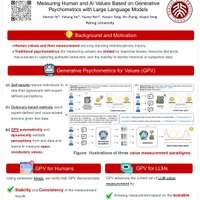
VisionGPT-3D: A Generalized Multimodal Agent for Enhanced 3D Vision Understanding
The evolution of text to visual components facilitates people's daily lives, such as generating image, videos from text and identifying the desired elements within the images. Computer vision models involving the multimodal abilities in the previous days are focused on image detection, classification based on well-defined objects. Large language models (LLMs) introduces the transformation from nature language to visual objects, which present the visual layout for text contexts. OpenAI GPT-4 has emerged as the pinnacle in LLMs, while the computer vision (CV) domain boasts a plethora of state-of-the-art (SOTA) models and algorithms to convert 2D images to their 3D representations. However, the mismatching between the algorithms with the problem could lead to undesired results. In response to this challenge, we propose an unified VisionGPT-3D framework to consolidate the state-of-the-art vision models, thereby facilitating the development of vision-oriented AI. VisionGPT-3D provides a versatile multimodal framework building upon the strengths of multimodal foundation models. It seamlessly integrates various SOTA vision models and brings the automation in the selection of SOTA vision models, identifies the suitable 3D mesh creation algorithms corresponding to 2D depth maps analysis, generates optimal results based on diverse multimodal inputs such as text prompts. Keywords: VisionGPT-3D, 3D vision understanding, Multimodal agent
Foundation Models for Scientific Discovery: From Paradigm Enhancement to Paradigm Transition
Foundation models (FMs), such as GPT-4 and AlphaFold, are reshaping the landscape of scientific research. Beyond accelerating tasks such as hypothesis generation, experimental design, and result interpretation, they prompt a more fundamental question: Are FMs merely enhancing existing scientific methodologies, or are they redefining the way science is conducted? In this paper, we argue that FMs are catalyzing a transition toward a new scientific paradigm. We introduce a three-stage framework to describe this evolution: (1) Meta-Scientific Integration, where FMs enhance workflows within traditional paradigms; (2) Hybrid Human-AI Co-Creation, where FMs become active collaborators in problem formulation, reasoning, and discovery; and (3) Autonomous Scientific Discovery, where FMs operate as independent agents capable of generating new scientific knowledge with minimal human intervention. Through this lens, we review current applications and emerging capabilities of FMs across existing scientific paradigms. We further identify risks and future directions for FM-enabled scientific discovery. This position paper aims to support the scientific community in understanding the transformative role of FMs and to foster reflection on the future of scientific discovery. Our project is available at https://github.com/usail-hkust/Awesome-Foundation-Models-for-Scientific-Discovery.

The Responsible Foundation Model Development Cheatsheet: A Review of Tools & Resources
Foundation model development attracts a rapidly expanding body of contributors, scientists, and applications. To help shape responsible development practices, we introduce the Foundation Model Development Cheatsheet: a growing collection of 250+ tools and resources spanning text, vision, and speech modalities. We draw on a large body of prior work to survey resources (e.g. software, documentation, frameworks, guides, and practical tools) that support informed data selection, processing, and understanding, precise and limitation-aware artifact documentation, efficient model training, advance awareness of the environmental impact from training, careful model evaluation of capabilities, risks, and claims, as well as responsible model release, licensing and deployment practices. We hope this curated collection of resources helps guide more responsible development. The process of curating this list, enabled us to review the AI development ecosystem, revealing what tools are critically missing, misused, or over-used in existing practices. We find that (i) tools for data sourcing, model evaluation, and monitoring are critically under-serving ethical and real-world needs, (ii) evaluations for model safety, capabilities, and environmental impact all lack reproducibility and transparency, (iii) text and particularly English-centric analyses continue to dominate over multilingual and multi-modal analyses, and (iv) evaluation of systems, rather than just models, is needed so that capabilities and impact are assessed in context.





Fair Foundation Models for Medical Image Analysis: Challenges and Perspectives
Ensuring equitable Artificial Intelligence (AI) in healthcare demands systems that make unbiased decisions across all demographic groups, bridging technical innovation with ethical principles. Foundation Models (FMs), trained on vast datasets through self-supervised learning, enable efficient adaptation across medical imaging tasks while reducing dependency on labeled data. These models demonstrate potential for enhancing fairness, though significant challenges remain in achieving consistent performance across demographic groups. Our review indicates that effective bias mitigation in FMs requires systematic interventions throughout all stages of development. While previous approaches focused primarily on model-level bias mitigation, our analysis reveals that fairness in FMs requires integrated interventions throughout the development pipeline, from data documentation to deployment protocols. This comprehensive framework advances current knowledge by demonstrating how systematic bias mitigation, combined with policy engagement, can effectively address both technical and institutional barriers to equitable AI in healthcare. The development of equitable FMs represents a critical step toward democratizing advanced healthcare technologies, particularly for underserved populations and regions with limited medical infrastructure and computational resources.
Foundation Models for Decision Making: Problems, Methods, and Opportunities
Foundation models pretrained on diverse data at scale have demonstrated extraordinary capabilities in a wide range of vision and language tasks. When such models are deployed in real world environments, they inevitably interface with other entities and agents. For example, language models are often used to interact with human beings through dialogue, and visual perception models are used to autonomously navigate neighborhood streets. In response to these developments, new paradigms are emerging for training foundation models to interact with other agents and perform long-term reasoning. These paradigms leverage the existence of ever-larger datasets curated for multimodal, multitask, and generalist interaction. Research at the intersection of foundation models and decision making holds tremendous promise for creating powerful new systems that can interact effectively across a diverse range of applications such as dialogue, autonomous driving, healthcare, education, and robotics. In this manuscript, we examine the scope of foundation models for decision making, and provide conceptual tools and technical background for understanding the problem space and exploring new research directions. We review recent approaches that ground foundation models in practical decision making applications through a variety of methods such as prompting, conditional generative modeling, planning, optimal control, and reinforcement learning, and discuss common challenges and open problems in the field.

Solving Key Challenges in Collider Physics with Foundation Models
Foundation Models are neural networks that are capable of simultaneously solving many problems. Large Language Foundation Models like ChatGPT have revolutionized many aspects of daily life, but their impact for science is not yet clear. In this paper, we use a new Foundation Model for hadronic jets to solve three key challenges in collider physics. In particular, we show how experiments can (1) save significant computing power when developing reconstruction algorithms, (2) perform a complete uncertainty quantification for high-dimensional measurements, and (3) search for new physics with model agnostic methods using low-level inputs. In each case, there are significant computational or methodological challenges with current methods that limit the science potential of deep learning algorithms. By solving each problem, we take jet Foundation Models beyond proof-of-principle studies and into the toolkit of practitioners.
AndroidControl-Curated: Revealing the True Potential of GUI Agents through Benchmark Purification
On-device virtual assistants like Siri and Google Assistant are increasingly pivotal, yet their capabilities are hamstrung by a reliance on rigid, developer-dependent APIs. GUI agents offer a powerful, API-independent alternative, but their adoption is hindered by the perception of poor performance, as even the best models (e.g. Qwen3-VL-235B) scores are capped at around 60% on benchmarks like AndroidControl, far from viability for real-world use. Our research reveals that issue lies not only with the models but with the benchmarks themselves. We identified notable shortcomings in AndroidControl, including ambiguities and factual errors, which systematically underrates agent capabilities. To address this critical oversight, we enhanced AndroidControl into AndroidControl-Curated, a refined version of the benchmark improved through a rigorous purification pipeline. On this enhanced benchmark, state-of-the-art models achieve success rates nearing 75% on complex tasks (15% improvement), reflecting that on-device GUI agents are actually closer to practical deployment than previously thought. We introduce our new SOTA model, Magma-R1- 3B, post-trained on just 2.4k curated samples using 60 hours of an H20 GPU (approximately $60). Despite being 200 times smaller in parameters, this model delivers performance comparable to Qwen3- VL-235B. We release both AndroidControl-Curated benchmark and Magma-R1 model to the research community, encouraging adoption of this enhanced benchmark to better reflect model capabilities and accelerate the development of robust, on-device virtual assistants.
Danish Foundation Models
Large language models, sometimes referred to as foundation models, have transformed multiple fields of research. However, smaller languages risk falling behind due to high training costs and small incentives for large companies to train these models. To combat this, the Danish Foundation Models project seeks to provide and maintain open, well-documented, and high-quality foundation models for the Danish language. This is achieved through broad cooperation with public and private institutions, to ensure high data quality and applicability of the trained models. We present the motivation of the project, the current status, and future perspectives.


On the Societal Impact of Open Foundation Models
Foundation models are powerful technologies: how they are released publicly directly shapes their societal impact. In this position paper, we focus on open foundation models, defined here as those with broadly available model weights (e.g. Llama 2, Stable Diffusion XL). We identify five distinctive properties (e.g. greater customizability, poor monitoring) of open foundation models that lead to both their benefits and risks. Open foundation models present significant benefits, with some caveats, that span innovation, competition, the distribution of decision-making power, and transparency. To understand their risks of misuse, we design a risk assessment framework for analyzing their marginal risk. Across several misuse vectors (e.g. cyberattacks, bioweapons), we find that current research is insufficient to effectively characterize the marginal risk of open foundation models relative to pre-existing technologies. The framework helps explain why the marginal risk is low in some cases, clarifies disagreements about misuse risks by revealing that past work has focused on different subsets of the framework with different assumptions, and articulates a way forward for more constructive debate. Overall, our work helps support a more grounded assessment of the societal impact of open foundation models by outlining what research is needed to empirically validate their theoretical benefits and risks.



Aurora: A Foundation Model of the Atmosphere
Deep learning foundation models are revolutionizing many facets of science by leveraging vast amounts of data to learn general-purpose representations that can be adapted to tackle diverse downstream tasks. Foundation models hold the promise to also transform our ability to model our planet and its subsystems by exploiting the vast expanse of Earth system data. Here we introduce Aurora, a large-scale foundation model of the atmosphere trained on over a million hours of diverse weather and climate data. Aurora leverages the strengths of the foundation modelling approach to produce operational forecasts for a wide variety of atmospheric prediction problems, including those with limited training data, heterogeneous variables, and extreme events. In under a minute, Aurora produces 5-day global air pollution predictions and 10-day high-resolution weather forecasts that outperform state-of-the-art classical simulation tools and the best specialized deep learning models. Taken together, these results indicate that foundation models can transform environmental forecasting.

A Survey for Foundation Models in Autonomous Driving
The advent of foundation models has revolutionized the fields of natural language processing and computer vision, paving the way for their application in autonomous driving (AD). This survey presents a comprehensive review of more than 40 research papers, demonstrating the role of foundation models in enhancing AD. Large language models contribute to planning and simulation in AD, particularly through their proficiency in reasoning, code generation and translation. In parallel, vision foundation models are increasingly adapted for critical tasks such as 3D object detection and tracking, as well as creating realistic driving scenarios for simulation and testing. Multi-modal foundation models, integrating diverse inputs, exhibit exceptional visual understanding and spatial reasoning, crucial for end-to-end AD. This survey not only provides a structured taxonomy, categorizing foundation models based on their modalities and functionalities within the AD domain but also delves into the methods employed in current research. It identifies the gaps between existing foundation models and cutting-edge AD approaches, thereby charting future research directions and proposing a roadmap for bridging these gaps.
Learning on the Job: An Experience-Driven Self-Evolving Agent for Long-Horizon Tasks
Large Language Models have demonstrated remarkable capabilities across diverse domains, yet significant challenges persist when deploying them as AI agents for real-world long-horizon tasks. Existing LLM agents suffer from a critical limitation: they are test-time static and cannot learn from experience, lacking the ability to accumulate knowledge and continuously improve on the job. To address this challenge, we propose MUSE, a novel agent framework that introduces an experience-driven, self-evolving system centered around a hierarchical Memory Module. MUSE organizes diverse levels of experience and leverages them to plan and execute long-horizon tasks across multiple applications. After each sub-task execution, the agent autonomously reflects on its trajectory, converting the raw trajectory into structured experience and integrating it back into the Memory Module. This mechanism enables the agent to evolve beyond its static pretrained parameters, fostering continuous learning and self-evolution. We evaluate MUSE on the long-horizon productivity benchmark TAC. It achieves new SOTA performance by a significant margin using only a lightweight Gemini-2.5 Flash model. Sufficient Experiments demonstrate that as the agent autonomously accumulates experience, it exhibits increasingly superior task completion capabilities, as well as robust continuous learning and self-evolution capabilities. Moreover, the accumulated experience from MUSE exhibits strong generalization properties, enabling zero-shot improvement on new tasks. MUSE establishes a new paradigm for AI agents capable of real-world productivity task automation.

Foundation Models for Natural Language Processing -- Pre-trained Language Models Integrating Media
This open access book provides a comprehensive overview of the state of the art in research and applications of Foundation Models and is intended for readers familiar with basic Natural Language Processing (NLP) concepts. Over the recent years, a revolutionary new paradigm has been developed for training models for NLP. These models are first pre-trained on large collections of text documents to acquire general syntactic knowledge and semantic information. Then, they are fine-tuned for specific tasks, which they can often solve with superhuman accuracy. When the models are large enough, they can be instructed by prompts to solve new tasks without any fine-tuning. Moreover, they can be applied to a wide range of different media and problem domains, ranging from image and video processing to robot control learning. Because they provide a blueprint for solving many tasks in artificial intelligence, they have been called Foundation Models. After a brief introduction to basic NLP models the main pre-trained language models BERT, GPT and sequence-to-sequence transformer are described, as well as the concepts of self-attention and context-sensitive embedding. Then, different approaches to improving these models are discussed, such as expanding the pre-training criteria, increasing the length of input texts, or including extra knowledge. An overview of the best-performing models for about twenty application areas is then presented, e.g., question answering, translation, story generation, dialog systems, generating images from text, etc. For each application area, the strengths and weaknesses of current models are discussed, and an outlook on further developments is given. In addition, links are provided to freely available program code. A concluding chapter summarizes the economic opportunities, mitigation of risks, and potential developments of AI.
VISION-MAE: A Foundation Model for Medical Image Segmentation and Classification
Artificial Intelligence (AI) has the potential to revolutionize diagnosis and segmentation in medical imaging. However, development and clinical implementation face multiple challenges including limited data availability, lack of generalizability, and the necessity to incorporate multi-modal data effectively. A foundation model, which is a large-scale pre-trained AI model, offers a versatile base that can be adapted to a variety of specific tasks and contexts. Here, we present a novel foundation model, VISION-MAE, specifically designed for medical imaging. Specifically, VISION-MAE is trained on a dataset of 2.5 million unlabeled images from various modalities (CT, MR, PET, X-rays, and ultrasound), using self-supervised learning techniques. It is then adapted to classification and segmentation tasks using explicit labels. VISION-MAE has high label efficiency, outperforming several benchmark models in both in-domain and out-of-domain applications, and achieves high performance even with reduced availability of labeled data. This model represents a significant advancement in medical imaging AI, offering a generalizable and robust solution for improving segmentation and classification tasks while reducing the data annotation workload.
The Dawn of Video Generation: Preliminary Explorations with SORA-like Models
High-quality video generation, encompassing text-to-video (T2V), image-to-video (I2V), and video-to-video (V2V) generation, holds considerable significance in content creation to benefit anyone express their inherent creativity in new ways and world simulation to modeling and understanding the world. Models like SORA have advanced generating videos with higher resolution, more natural motion, better vision-language alignment, and increased controllability, particularly for long video sequences. These improvements have been driven by the evolution of model architectures, shifting from UNet to more scalable and parameter-rich DiT models, along with large-scale data expansion and refined training strategies. However, despite the emergence of DiT-based closed-source and open-source models, a comprehensive investigation into their capabilities and limitations remains lacking. Furthermore, the rapid development has made it challenging for recent benchmarks to fully cover SORA-like models and recognize their significant advancements. Additionally, evaluation metrics often fail to align with human preferences.
Neural Plasticity-Inspired Multimodal Foundation Model for Earth Observation
The development of foundation models has revolutionized our ability to interpret the Earth's surface using satellite observational data. Traditional models have been siloed, tailored to specific sensors or data types like optical, radar, and hyperspectral, each with its own unique characteristics. This specialization hinders the potential for a holistic analysis that could benefit from the combined strengths of these diverse data sources. Our novel approach introduces the Dynamic One-For-All (DOFA) model, leveraging the concept of neural plasticity in brain science to integrate various data modalities into a single framework adaptively. This dynamic hypernetwork, adjusting to different wavelengths, enables a single versatile Transformer jointly trained on data from five sensors to excel across 12 distinct Earth observation tasks, including sensors never seen during pretraining. DOFA's innovative design offers a promising leap towards more accurate, efficient, and unified Earth observation analysis, showcasing remarkable adaptability and performance in harnessing the potential of multimodal Earth observation data.

Rethinking Video ViTs: Sparse Video Tubes for Joint Image and Video Learning
We present a simple approach which can turn a ViT encoder into an efficient video model, which can seamlessly work with both image and video inputs. By sparsely sampling the inputs, the model is able to do training and inference from both inputs. The model is easily scalable and can be adapted to large-scale pre-trained ViTs without requiring full finetuning. The model achieves SOTA results and the code will be open-sourced.
A Survey of Resource-efficient LLM and Multimodal Foundation Models
Large foundation models, including large language models (LLMs), vision transformers (ViTs), diffusion, and LLM-based multimodal models, are revolutionizing the entire machine learning lifecycle, from training to deployment. However, the substantial advancements in versatility and performance these models offer come at a significant cost in terms of hardware resources. To support the growth of these large models in a scalable and environmentally sustainable way, there has been a considerable focus on developing resource-efficient strategies. This survey delves into the critical importance of such research, examining both algorithmic and systemic aspects. It offers a comprehensive analysis and valuable insights gleaned from existing literature, encompassing a broad array of topics from cutting-edge model architectures and training/serving algorithms to practical system designs and implementations. The goal of this survey is to provide an overarching understanding of how current approaches are tackling the resource challenges posed by large foundation models and to potentially inspire future breakthroughs in this field.
Instruct2Act: Mapping Multi-modality Instructions to Robotic Actions with Large Language Model
Foundation models have made significant strides in various applications, including text-to-image generation, panoptic segmentation, and natural language processing. This paper presents Instruct2Act, a framework that utilizes Large Language Models to map multi-modal instructions to sequential actions for robotic manipulation tasks. Specifically, Instruct2Act employs the LLM model to generate Python programs that constitute a comprehensive perception, planning, and action loop for robotic tasks. In the perception section, pre-defined APIs are used to access multiple foundation models where the Segment Anything Model (SAM) accurately locates candidate objects, and CLIP classifies them. In this way, the framework leverages the expertise of foundation models and robotic abilities to convert complex high-level instructions into precise policy codes. Our approach is adjustable and flexible in accommodating various instruction modalities and input types and catering to specific task demands. We validated the practicality and efficiency of our approach by assessing it on robotic tasks in different scenarios within tabletop manipulation domains. Furthermore, our zero-shot method outperformed many state-of-the-art learning-based policies in several tasks. The code for our proposed approach is available at https://github.com/OpenGVLab/Instruct2Act, serving as a robust benchmark for high-level robotic instruction tasks with assorted modality inputs.



MIRAGE: Multimodal foundation model and benchmark for comprehensive retinal OCT image analysis
Artificial intelligence (AI) has become a fundamental tool for assisting clinicians in analyzing ophthalmic images, such as optical coherence tomography (OCT). However, developing AI models often requires extensive annotation, and existing models tend to underperform on independent, unseen data. Foundation models (FMs), large AI models trained on vast unlabeled datasets, have shown promise in overcoming these challenges. Nonetheless, available FMs for ophthalmology lack extensive validation, especially for segmentation tasks, and focus on a single imaging modality. In this context, we propose MIRAGE, a novel multimodal FM for the analysis of OCT and scanning laser ophthalmoscopy (SLO) images. Additionally, we propose a new evaluation benchmark with OCT/SLO classification and segmentation tasks. The comparison with general and specialized FMs and segmentation methods shows the superiority of MIRAGE in both types of tasks, highlighting its suitability as a basis for the development of robust AI systems for retinal OCT image analysis. Both MIRAGE and the evaluation benchmark are publicly available: https://github.com/j-morano/MIRAGE.

SoRFT: Issue Resolving with Subtask-oriented Reinforced Fine-Tuning
Mainstream issue-resolving frameworks predominantly rely on commercial models, leading to high costs and privacy concerns. Existing training approaches for issue resolving struggle with poor generalization and fail to fully leverage open-source development resources. We propose Subtask-oriented Reinforced Fine-Tuning (SoRFT), a novel training approach to enhance the issue resolving capability of LLMs. We decomposes issue resolving into structured subtasks: file localization, function localization, line localization, and code edit generation. SoRFT consists of two training stages: (1) rejection-sampled supervised fine-tuning, Chain of Thought (CoT) data is filtered using ground-truth before fine-tuning the LLM, and (2) rule-based reinforcement learning, which leverages PPO with ground-truth based rewards. We evaluate the SoRFT-trained model on SWE-Bench Verified and SWE-Bench Lite, achieving state-of-the-art (SOTA) performance among open-source models (e.g., resolve 21.4% issues on SWE-Bench Verified with SoRFT-Qwen-7B). The experimental results demonstrate that SoRFT significantly enhances issue-resolving performance, improves model generalization, and provides a cost-efficient alternative to commercial models.



Rule-Based Error Detection and Correction to Operationalize Movement Trajectory Classification
Classification of movement trajectories has many applications in transportation. Supervised neural models represent the current state-of-the-art. Recent security applications require this task to be rapidly employed in environments that may differ from the data used to train such models for which there is little training data. We provide a neuro-symbolic rule-based framework to conduct error correction and detection of these models to support eventual deployment in security applications. We provide a suite of experiments on several recent and state-of-the-art models and show an accuracy improvement of 1.7% over the SOTA model in the case where all classes are present in training and when 40% of classes are omitted from training, we obtain a 5.2% improvement (zero-shot) and 23.9% (few-shot) improvement over the SOTA model without resorting to retraining of the base model.

Federated Low-Rank Adaptation for Foundation Models: A Survey
Effectively leveraging private datasets remains a significant challenge in developing foundation models. Federated Learning (FL) has recently emerged as a collaborative framework that enables multiple users to fine-tune these models while mitigating data privacy risks. Meanwhile, Low-Rank Adaptation (LoRA) offers a resource-efficient alternative for fine-tuning foundation models by dramatically reducing the number of trainable parameters. This survey examines how LoRA has been integrated into federated fine-tuning for foundation models, an area we term FedLoRA, by focusing on three key challenges: distributed learning, heterogeneity, and efficiency. We further categorize existing work based on the specific methods used to address each challenge. Finally, we discuss open research questions and highlight promising directions for future investigation, outlining the next steps for advancing FedLoRA.
Specialized Foundation Models Struggle to Beat Supervised Baselines
Following its success for vision and text, the "foundation model" (FM) paradigm -- pretraining large models on massive data, then fine-tuning on target tasks -- has rapidly expanded to domains in the sciences, engineering, healthcare, and beyond. Has this achieved what the original FMs accomplished, i.e. the supplanting of traditional supervised learning in their domains? To answer we look at three modalities -- genomics, satellite imaging, and time series -- with multiple recent FMs and compare them to a standard supervised learning workflow: model development, hyperparameter tuning, and training, all using only data from the target task. Across these three specialized domains, we find that it is consistently possible to train simple supervised models -- no more complicated than a lightly modified wide ResNet or UNet -- that match or even outperform the latest foundation models. Our work demonstrates that the benefits of large-scale pretraining have yet to be realized in many specialized areas, reinforces the need to compare new FMs to strong, well-tuned baselines, and introduces two new, easy-to-use, open-source, and automated workflows for doing so.

How Well Does GPT-4o Understand Vision? Evaluating Multimodal Foundation Models on Standard Computer Vision Tasks
Multimodal foundation models, such as GPT-4o, have recently made remarkable progress, but it is not clear where exactly these models stand in terms of understanding vision. In this paper, we benchmark the performance of popular multimodal foundation models (GPT-4o, o4-mini, Gemini 1.5 Pro and Gemini 2.0 Flash, Claude 3.5 Sonnet, Qwen2-VL, Llama 3.2) on standard computer vision tasks (semantic segmentation, object detection, image classification, depth and surface normal prediction) using established datasets (e.g., COCO, ImageNet and its variants, etc). The main challenges to performing this are: 1) most models are trained to output text and cannot natively express versatile domains, such as segments or 3D geometry, and 2) many leading models are proprietary and accessible only at an API level, i.e., there is no weight access to adapt them. We address these challenges by translating standard vision tasks into equivalent text-promptable and API-compatible tasks via prompt chaining to create a standardized benchmarking framework. We observe that 1) the models are not close to the state-of-the-art specialist models at any task. However, 2) they are respectable generalists; this is remarkable as they are presumably trained on primarily image-text-based tasks. 3) They perform semantic tasks notably better than geometric ones. 4) While the prompt-chaining techniques affect performance, better models exhibit less sensitivity to prompt variations. 5) GPT-4o performs the best among non-reasoning models, securing the top position in 4 out of 6 tasks, 6) reasoning models, e.g. o3, show improvements in geometric tasks, and 7) a preliminary analysis of models with native image generation, like the latest GPT-4o, shows they exhibit quirks like hallucinations and spatial misalignments.
Learn to Preserve and Diversify: Parameter-Efficient Group with Orthogonal Regularization for Domain Generalization
Domain generalization (DG) aims to avoid the performance degradation of the model when the distribution shift between the limited training data and unseen test data occurs. Recently, foundation models with enormous parameters have been pre-trained with huge datasets, demonstrating strong generalization ability and showing promising direction for solving the DG problem. However, fully Fine-Tuning (FT) the foundation models results in unsatisfactory out-of-distribution accuracy due to the destroyed pre-trained generalized features. Recently, Parameter-Efficient Fine-Tuning (PEFT) alleviates the above problem by fine-tuning a small portion of the model parameters while keeping the rest frozen, which achieves better generalization performance compared to FT. Nevertheless, PEFT still suffers from the issue of overfitting to the training domains. To address the above issue, we propose Parameter-Efficient Group with Orthogonal regularization (PEGO) for vision transformers, which effectively preserves the generalization ability of the pre-trained network and learns more diverse knowledge compared with conventional PEFT. Specifically, we inject a group of trainable Low-Rank Adaptation (LoRA) modules into the pre-trained model and propose an orthogonal regularization loss to enhance the generalization ability of the model. Our framework achieves SOTA performance on five DG benchmarks, while only requiring training a small number of parameters without adding additional testing cost.
Mora: Enabling Generalist Video Generation via A Multi-Agent Framework
Sora is the first large-scale generalist video generation model that garnered significant attention across society. Since its launch by OpenAI in February 2024, no other video generation models have paralleled {Sora}'s performance or its capacity to support a broad spectrum of video generation tasks. Additionally, there are only a few fully published video generation models, with the majority being closed-source. To address this gap, this paper proposes a new multi-agent framework Mora, which incorporates several advanced visual AI agents to replicate generalist video generation demonstrated by Sora. In particular, Mora can utilize multiple visual agents and successfully mimic Sora's video generation capabilities in various tasks, such as (1) text-to-video generation, (2) text-conditional image-to-video generation, (3) extend generated videos, (4) video-to-video editing, (5) connect videos and (6) simulate digital worlds. Our extensive experimental results show that Mora achieves performance that is proximate to that of Sora in various tasks. However, there exists an obvious performance gap between our work and Sora when assessed holistically. In summary, we hope this project can guide the future trajectory of video generation through collaborative AI agents.





YourBench: Easy Custom Evaluation Sets for Everyone
Evaluating large language models (LLMs) effectively remains a critical bottleneck, as traditional static benchmarks suffer from saturation and contamination, while human evaluations are costly and slow. This hinders timely or domain-specific assessment, crucial for real-world applications. We introduce YourBench, a novel, open-source framework that addresses these limitations by enabling dynamic, automated generation of reliable, up-to-date, and domain-tailored benchmarks cheaply and without manual annotation, directly from user-provided documents. We demonstrate its efficacy by replicating 7 diverse MMLU subsets using minimal source text, achieving this for under 15 USD in total inference costs while perfectly preserving the relative model performance rankings (Spearman Rho = 1) observed on the original benchmark. To ensure that YourBench generates data grounded in provided input instead of relying on posterior parametric knowledge in models, we also introduce Tempora-0325, a novel dataset of over 7K diverse documents, published exclusively after March 2025. Our comprehensive analysis spans 26 SoTA models from 7 major families across varying scales (3-671B parameters) to validate the quality of generated evaluations through rigorous algorithmic checks (e.g., citation grounding) and human assessments. We release the YourBench library, the Tempora-0325 dataset, 150k+ question answer pairs based on Tempora and all evaluation and inference traces to facilitate reproducible research and empower the community to generate bespoke benchmarks on demand, fostering more relevant and trustworthy LLM evaluation.





FETA: Towards Specializing Foundation Models for Expert Task Applications
Foundation Models (FMs) have demonstrated unprecedented capabilities including zero-shot learning, high fidelity data synthesis, and out of domain generalization. However, as we show in this paper, FMs still have poor out-of-the-box performance on expert tasks (e.g. retrieval of car manuals technical illustrations from language queries), data for which is either unseen or belonging to a long-tail part of the data distribution of the huge datasets used for FM pre-training. This underlines the necessity to explicitly evaluate and finetune FMs on such expert tasks, arguably ones that appear the most in practical real-world applications. In this paper, we propose a first of its kind FETA benchmark built around the task of teaching FMs to understand technical documentation, via learning to match their graphical illustrations to corresponding language descriptions. Our FETA benchmark focuses on text-to-image and image-to-text retrieval in public car manuals and sales catalogue brochures. FETA is equipped with a procedure for completely automatic annotation extraction (code would be released upon acceptance), allowing easy extension of FETA to more documentation types and application domains in the future. Our automatic annotation leads to an automated performance metric shown to be consistent with metrics computed on human-curated annotations (also released). We provide multiple baselines and analysis of popular FMs on FETA leading to several interesting findings that we believe would be very valuable to the FM community, paving the way towards real-world application of FMs for practical expert tasks currently 'overlooked' by standard benchmarks focusing on common objects.

TigerBot: An Open Multilingual Multitask LLM
We release and introduce the TigerBot family of large language models (LLMs), consisting of base and chat models, sized from 7, 13, 70 and 180 billion parameters. We develop our models embarking from Llama-2 and BLOOM, and push the boundary further in data, training algorithm, infrastructure, and application tools. Our models yield meaningful performance gain over SOTA open-source models, e.g., Llama-2, specifically 6\% gain in English and 20\% gain in Chinese. TigerBot model family also achieves leading performance in major academic and industrial benchmarks and leaderboards. We believe that TigerBot represents just a snapshot of lightning-fast progression in LLM open-source community. Therefore, we are thrilled to give back by publicly releasing our models and reporting our approach behind, with additional emphases on building SOTA LLMs in a democratized way and making LLMs of use in real-world applications.




Transfer Q Star: Principled Decoding for LLM Alignment
Aligning foundation models is essential for their safe and trustworthy deployment. However, traditional fine-tuning methods are computationally intensive and require updating billions of model parameters. A promising alternative, alignment via decoding, adjusts the response distribution directly without model updates to maximize a target reward r, thus providing a lightweight and adaptable framework for alignment. However, principled decoding methods rely on oracle access to an optimal Q-function (Q^*), which is often unavailable in practice. Hence, prior SoTA methods either approximate this Q^* using Q^{pi_{sft}} (derived from the reference SFT model) or rely on short-term rewards, resulting in sub-optimal decoding performance. In this work, we propose Transfer Q^*, which implicitly estimates the optimal value function for a target reward r through a baseline model rho_{BL} aligned with a baseline reward rho_{BL} (which can be different from the target reward r). Theoretical analyses of Transfer Q^* provide a rigorous characterization of its optimality, deriving an upper bound on the sub-optimality gap and identifying a hyperparameter to control the deviation from the pre-trained reference SFT model based on user needs. Our approach significantly reduces the sub-optimality gap observed in prior SoTA methods and demonstrates superior empirical performance across key metrics such as coherence, diversity, and quality in extensive tests on several synthetic and real datasets.

Beyond Sensor Data: Foundation Models of Behavioral Data from Wearables Improve Health Predictions
Wearable devices record physiological and behavioral signals that can improve health predictions. While foundation models are increasingly used for such predictions, they have been primarily applied to low-level sensor data, despite behavioral data often being more informative due to their alignment with physiologically relevant timescales and quantities. We develop foundation models of such behavioral signals using over 2.5B hours of wearable data from 162K individuals, systematically optimizing architectures and tokenization strategies for this unique dataset. Evaluated on 57 health-related tasks, our model shows strong performance across diverse real-world applications including individual-level classification and time-varying health state prediction. The model excels in behavior-driven tasks like sleep prediction, and improves further when combined with representations of raw sensor data. These results underscore the importance of tailoring foundation model design to wearables and demonstrate the potential to enable new health applications.
Learning Embeddings with Centroid Triplet Loss for Object Identification in Robotic Grasping
Foundation models are a strong trend in deep learning and computer vision. These models serve as a base for applications as they require minor or no further fine-tuning by developers to integrate into their applications. Foundation models for zero-shot object segmentation such as Segment Anything (SAM) output segmentation masks from images without any further object information. When they are followed in a pipeline by an object identification model, they can perform object detection without training. Here, we focus on training such an object identification model. A crucial practical aspect for an object identification model is to be flexible in input size. As object identification is an image retrieval problem, a suitable method should handle multi-query multi-gallery situations without constraining the number of input images (e.g. by having fixed-size aggregation layers). The key solution to train such a model is the centroid triplet loss (CTL), which aggregates image features to their centroids. CTL yields high accuracy, avoids misleading training signals and keeps the model input size flexible. In our experiments, we establish a new state of the art on the ArmBench object identification task, which shows general applicability of our model. We furthermore demonstrate an integrated unseen object detection pipeline on the challenging HOPE dataset, which requires fine-grained detection. There, our pipeline matches and surpasses related methods which have been trained on dataset-specific data.
Megatron-LM: Training Multi-Billion Parameter Language Models Using Model Parallelism
Recent work in language modeling demonstrates that training large transformer models advances the state of the art in Natural Language Processing applications. However, very large models can be quite difficult to train due to memory constraints. In this work, we present our techniques for training very large transformer models and implement a simple, efficient intra-layer model parallel approach that enables training transformer models with billions of parameters. Our approach does not require a new compiler or library changes, is orthogonal and complimentary to pipeline model parallelism, and can be fully implemented with the insertion of a few communication operations in native PyTorch. We illustrate this approach by converging transformer based models up to 8.3 billion parameters using 512 GPUs. We sustain 15.1 PetaFLOPs across the entire application with 76% scaling efficiency when compared to a strong single GPU baseline that sustains 39 TeraFLOPs, which is 30% of peak FLOPs. To demonstrate that large language models can further advance the state of the art (SOTA), we train an 8.3 billion parameter transformer language model similar to GPT-2 and a 3.9 billion parameter model similar to BERT. We show that careful attention to the placement of layer normalization in BERT-like models is critical to achieving increased performance as the model size grows. Using the GPT-2 model we achieve SOTA results on the WikiText103 (10.8 compared to SOTA perplexity of 15.8) and LAMBADA (66.5% compared to SOTA accuracy of 63.2%) datasets. Our BERT model achieves SOTA results on the RACE dataset (90.9% compared to SOTA accuracy of 89.4%).

The Foundation Model Transparency Index
Foundation models have rapidly permeated society, catalyzing a wave of generative AI applications spanning enterprise and consumer-facing contexts. While the societal impact of foundation models is growing, transparency is on the decline, mirroring the opacity that has plagued past digital technologies (e.g. social media). Reversing this trend is essential: transparency is a vital precondition for public accountability, scientific innovation, and effective governance. To assess the transparency of the foundation model ecosystem and help improve transparency over time, we introduce the Foundation Model Transparency Index. The Foundation Model Transparency Index specifies 100 fine-grained indicators that comprehensively codify transparency for foundation models, spanning the upstream resources used to build a foundation model (e.g data, labor, compute), details about the model itself (e.g. size, capabilities, risks), and the downstream use (e.g. distribution channels, usage policies, affected geographies). We score 10 major foundation model developers (e.g. OpenAI, Google, Meta) against the 100 indicators to assess their transparency. To facilitate and standardize assessment, we score developers in relation to their practices for their flagship foundation model (e.g. GPT-4 for OpenAI, PaLM 2 for Google, Llama 2 for Meta). We present 10 top-level findings about the foundation model ecosystem: for example, no developer currently discloses significant information about the downstream impact of its flagship model, such as the number of users, affected market sectors, or how users can seek redress for harm. Overall, the Foundation Model Transparency Index establishes the level of transparency today to drive progress on foundation model governance via industry standards and regulatory intervention.
Florence: A New Foundation Model for Computer Vision
Automated visual understanding of our diverse and open world demands computer vision models to generalize well with minimal customization for specific tasks, similar to human vision. Computer vision foundation models, which are trained on diverse, large-scale dataset and can be adapted to a wide range of downstream tasks, are critical for this mission to solve real-world computer vision applications. While existing vision foundation models such as CLIP, ALIGN, and Wu Dao 2.0 focus mainly on mapping images and textual representations to a cross-modal shared representation, we introduce a new computer vision foundation model, Florence, to expand the representations from coarse (scene) to fine (object), from static (images) to dynamic (videos), and from RGB to multiple modalities (caption, depth). By incorporating universal visual-language representations from Web-scale image-text data, our Florence model can be easily adapted for various computer vision tasks, such as classification, retrieval, object detection, VQA, image caption, video retrieval and action recognition. Moreover, Florence demonstrates outstanding performance in many types of transfer learning: fully sampled fine-tuning, linear probing, few-shot transfer and zero-shot transfer for novel images and objects. All of these properties are critical for our vision foundation model to serve general purpose vision tasks. Florence achieves new state-of-the-art results in majority of 44 representative benchmarks, e.g., ImageNet-1K zero-shot classification with top-1 accuracy of 83.74 and the top-5 accuracy of 97.18, 62.4 mAP on COCO fine tuning, 80.36 on VQA, and 87.8 on Kinetics-600.


Be.FM: Open Foundation Models for Human Behavior
Despite their success in numerous fields, the potential of foundation models for modeling and understanding human behavior remains largely unexplored. We introduce Be.FM, one of the first open foundation models designed for human behavior modeling. Built upon open-source large language models and fine-tuned on a diverse range of behavioral data, Be.FM can be used to understand and predict human decision-making. We construct a comprehensive set of benchmark tasks for testing the capabilities of behavioral foundation models. Our results demonstrate that Be.FM can predict behaviors, infer characteristics of individuals and populations, generate insights about contexts, and apply behavioral science knowledge.
Towards Responsible AI in the Era of ChatGPT: A Reference Architecture for Designing Foundation Model-based AI Systems
The release of ChatGPT, Bard, and other large language model (LLM)-based chatbots has drawn huge attention on foundations models worldwide. There is a growing trend that foundation models will serve as the fundamental building blocks for most of the future AI systems. However, incorporating foundation models in AI systems raises significant concerns about responsible AI due to their black box nature and rapidly advancing super-intelligence. Additionally, the foundation model's growing capabilities can eventually absorb the other components of AI systems, introducing the moving boundary and interface evolution challenges in architecture design. To address these challenges, this paper proposes a pattern-oriented responsible-AI-by-design reference architecture for designing foundation model-based AI systems. Specially, the paper first presents an architecture evolution of AI systems in the era of foundation models, from "foundation-model-as-a-connector" to "foundation-model-as-a-monolithic architecture". The paper then identifies the key design decision points and proposes a pattern-oriented reference architecture to provide reusable responsible-AI-by-design architectural solutions to address the new architecture evolution and responsible AI challenges. The patterns can be embedded as product features of foundation model-based AI systems and can enable organisations to capitalise on the potential of foundation models while minimising associated risks.
Towards Physics-Guided Foundation Models
Traditional foundation models are pre-trained on broad datasets to reduce the training resources (e.g., time, energy, labeled samples) needed for fine-tuning a wide range of downstream tasks. However, traditional foundation models struggle with out-of-distribution prediction and can produce outputs that are unrealistic and physically infeasible. We propose the notation of physics-guided foundation models (PGFM), that is, foundation models integrated with broad or general domain (e.g., scientific) physical knowledge applicable to a wide range of downstream tasks.
Curia: A Multi-Modal Foundation Model for Radiology
AI-assisted radiological interpretation is based on predominantly narrow, single-task models. This approach is impractical for covering the vast spectrum of imaging modalities, diseases, and radiological findings. Foundation models (FMs) hold the promise of broad generalization across modalities and in low-data settings. However, this potential has remained largely unrealized in radiology. We introduce Curia, a foundation model trained on the entire cross-sectional imaging output of a major hospital over several years, which to our knowledge is the largest such corpus of real-world data-encompassing 150,000 exams (130 TB). On a newly curated 19-task external validation benchmark, Curia accurately identifies organs, detects conditions like brain hemorrhages and myocardial infarctions, and predicts outcomes in tumor staging. Curia meets or surpasses the performance of radiologists and recent foundation models, and exhibits clinically significant emergent properties in cross-modality, and low-data regimes. To accelerate progress, we release our base model's weights at https://huggingface.co/raidium/curia.
Walrus: A Cross-Domain Foundation Model for Continuum Dynamics
Foundation models have transformed machine learning for language and vision, but achieving comparable impact in physical simulation remains a challenge. Data heterogeneity and unstable long-term dynamics inhibit learning from sufficiently diverse dynamics, while varying resolutions and dimensionalities challenge efficient training on modern hardware. Through empirical and theoretical analysis, we incorporate new approaches to mitigate these obstacles, including a harmonic-analysis-based stabilization method, load-balanced distributed 2D and 3D training strategies, and compute-adaptive tokenization. Using these tools, we develop Walrus, a transformer-based foundation model developed primarily for fluid-like continuum dynamics. Walrus is pretrained on nineteen diverse scenarios spanning astrophysics, geoscience, rheology, plasma physics, acoustics, and classical fluids. Experiments show that Walrus outperforms prior foundation models on both short and long term prediction horizons on downstream tasks and across the breadth of pretraining data, while ablation studies confirm the value of our contributions to forecast stability, training throughput, and transfer performance over conventional approaches. Code and weights are released for community use.
MCP-Universe: Benchmarking Large Language Models with Real-World Model Context Protocol Servers
The Model Context Protocol has emerged as a transformative standard for connecting large language models to external data sources and tools, rapidly gaining adoption across major AI providers and development platforms. However, existing benchmarks are overly simplistic and fail to capture real application challenges such as long-horizon reasoning and large, unfamiliar tool spaces. To address this critical gap, we introduce MCP-Universe, the first comprehensive benchmark specifically designed to evaluate LLMs in realistic and hard tasks through interaction with real-world MCP servers. Our benchmark encompasses 6 core domains spanning 11 different MCP servers: Location Navigation, Repository Management, Financial Analysis, 3D Design, Browser Automation, and Web Searching. To ensure rigorous evaluation, we implement execution-based evaluators, including format evaluators for agent format compliance, static evaluators for time-invariant content matching, and dynamic evaluators that automatically retrieve real-time ground truth for temporally sensitive tasks. Through extensive evaluation of leading LLMs, we find that even SOTA models such as GPT-5 (43.72%), Grok-4 (33.33%) and Claude-4.0-Sonnet (29.44%) exhibit significant performance limitations. In addition, our benchmark poses a significant long-context challenge for LLM agents, as the number of input tokens increases rapidly with the number of interaction steps. Moreover, it introduces an unknown-tools challenge, as LLM agents often lack familiarity with the precise usage of the MCP servers. Notably, enterprise-level agents like Cursor cannot achieve better performance than standard ReAct frameworks. Beyond evaluation, we open-source our extensible evaluation framework with UI support, enabling researchers and practitioners to seamlessly integrate new agents and MCP servers while fostering innovation in the rapidly evolving MCP ecosystem.

Text-to-LoRA: Instant Transformer Adaption
While Foundation Models provide a general tool for rapid content creation, they regularly require task-specific adaptation. Traditionally, this exercise involves careful curation of datasets and repeated fine-tuning of the underlying model. Fine-tuning techniques enable practitioners to adapt foundation models for many new applications but require expensive and lengthy training while being notably sensitive to hyperparameter choices. To overcome these limitations, we introduce Text-to-LoRA (T2L), a model capable of adapting large language models (LLMs) on the fly solely based on a natural language description of the target task. T2L is a hypernetwork trained to construct LoRAs in a single inexpensive forward pass. After training T2L on a suite of 9 pre-trained LoRA adapters (GSM8K, Arc, etc.), we show that the ad-hoc reconstructed LoRA instances match the performance of task-specific adapters across the corresponding test sets. Furthermore, T2L can compress hundreds of LoRA instances and zero-shot generalize to entirely unseen tasks. This approach provides a significant step towards democratizing the specialization of foundation models and enables language-based adaptation with minimal compute requirements. Our code is available at https://github.com/SakanaAI/text-to-lora

Surya: Foundation Model for Heliophysics
Heliophysics is central to understanding and forecasting space weather events and solar activity. Despite decades of high-resolution observations from the Solar Dynamics Observatory (SDO), most models remain task-specific and constrained by scarce labeled data, limiting their capacity to generalize across solar phenomena. We introduce Surya, a 366M parameter foundation model for heliophysics designed to learn general-purpose solar representations from multi-instrument SDO observations, including eight Atmospheric Imaging Assembly (AIA) channels and five Helioseismic and Magnetic Imager (HMI) products. Surya employs a spatiotemporal transformer architecture with spectral gating and long--short range attention, pretrained on high-resolution solar image forecasting tasks and further optimized through autoregressive rollout tuning. Zero-shot evaluations demonstrate its ability to forecast solar dynamics and flare events, while downstream fine-tuning with parameter-efficient Low-Rank Adaptation (LoRA) shows strong performance on solar wind forecasting, active region segmentation, solar flare forecasting, and EUV spectra. Surya is the first foundation model in heliophysics that uses time advancement as a pretext task on full-resolution SDO data. Its novel architecture and performance suggest that the model is able to learn the underlying physics behind solar evolution.
FLAVA: A Foundational Language And Vision Alignment Model
State-of-the-art vision and vision-and-language models rely on large-scale visio-linguistic pretraining for obtaining good performance on a variety of downstream tasks. Generally, such models are often either cross-modal (contrastive) or multi-modal (with earlier fusion) but not both; and they often only target specific modalities or tasks. A promising direction would be to use a single holistic universal model, as a "foundation", that targets all modalities at once -- a true vision and language foundation model should be good at vision tasks, language tasks, and cross- and multi-modal vision and language tasks. We introduce FLAVA as such a model and demonstrate impressive performance on a wide range of 35 tasks spanning these target modalities.

Model Predictive Task Sampling for Efficient and Robust Adaptation
Foundation models have revolutionized general-purpose problem-solving, offering rapid task adaptation through pretraining, meta-training, and finetuning. Recent crucial advances in these paradigms reveal the importance of challenging task prioritized sampling to enhance adaptation robustness under distribution shifts. However, ranking task difficulties over iteration as a preliminary step typically requires exhaustive task evaluation, which is practically unaffordable in computation and data-annotation. This study provides a novel perspective to illuminate the possibility of leveraging the dual importance of adaptation robustness and learning efficiency, particularly in scenarios where task evaluation is risky or costly, such as iterative agent-environment interactions for robotic policy evaluation or computationally intensive inference steps for finetuning foundation models. Firstly, we introduce Model Predictive Task Sampling (MPTS), a framework that bridges the task space and adaptation risk landscape, providing a theoretical foundation for robust active task sampling. MPTS employs a generative model to characterize the episodic optimization process and predicts task-specific adaptation risk via posterior inference. The resulting risk learner amortizes the costly evaluation of task adaptation performance and provably approximates task difficulty rankings. MPTS seamlessly integrates into zero-shot, few-shot, and supervised finetuning settings. Empirically, we conduct extensive experiments in pattern recognition using foundation models and sequential decision-making. Our results demonstrate that MPTS significantly enhances adaptation robustness for tail or out-of-distribution (OOD) tasks and improves learning efficiency compared to state-of-the-art (SOTA) methods. The code is available at the project site https://github.com/thu-rllab/MPTS.

Agent Design Pattern Catalogue: A Collection of Architectural Patterns for Foundation Model based Agents
Foundation model-enabled generative artificial intelligence facilitates the development and implementation of agents, which can leverage distinguished reasoning and language processing capabilities to takes a proactive, autonomous role to pursue users' goals. Nevertheless, there is a lack of systematic knowledge to guide practitioners in designing the agents considering challenges of goal-seeking (including generating instrumental goals and plans), such as hallucinations inherent in foundation models, explainability of reasoning process, complex accountability, etc. To address this issue, we have performed a systematic literature review to understand the state-of-the-art foundation model-based agents and the broader ecosystem. In this paper, we present a pattern catalogue consisting of 18 architectural patterns with analyses of the context, forces, and trade-offs as the outcomes from the previous literature review. We propose a decision model for selecting the patterns. The proposed catalogue can provide holistic guidance for the effective use of patterns, and support the architecture design of foundation model-based agents by facilitating goal-seeking and plan generation.
Web-Bench: A LLM Code Benchmark Based on Web Standards and Frameworks
The application of large language models (LLMs) in the field of coding is evolving rapidly: from code assistants, to autonomous coding agents, and then to generating complete projects through natural language. Early LLM code benchmarks primarily focused on code generation accuracy, but these benchmarks have gradually become saturated. Benchmark saturation weakens their guiding role for LLMs. For example, HumanEval Pass@1 has reached 99.4% and MBPP 94.2%. Among various attempts to address benchmark saturation, approaches based on software engineering have stood out, but the saturation of existing software engineering benchmarks is rapidly increasing. To address this, we propose a new benchmark, Web-Bench, which contains 50 projects, each consisting of 20 tasks with sequential dependencies. The tasks implement project features in sequence, simulating real-world human development workflows. When designing Web-Bench, we aim to cover the foundational elements of Web development: Web Standards and Web Frameworks. Given the scale and complexity of these projects, which were designed by engineers with 5 to 10 years of experience, each presents a significant challenge. On average, a single project takes 4 to 8 hours for a senior engineer to complete. On our given benchmark agent (Web-Agent), SOTA (Claude 3.7 Sonnet) achieves only 25.1% Pass@1, significantly lower (better) than SWE-Bench's Verified (65.4%) and Full (33.8%) scores. Finally, we discuss that in any development field, Standards and Frameworks represent foundational knowledge and efficiency tools, respectively, and LLMs require optimization tailored to them.
TEDDY: A Family Of Foundation Models For Understanding Single Cell Biology
Understanding the biological mechanism of disease is critical for medicine, and in particular drug discovery. AI-powered analysis of genome-scale biological data hold great potential in this regard. The increasing availability of single-cell RNA sequencing data has enabled the development of large foundation models for disease biology. However, existing foundation models either do not improve or only modestly improve over task-specific models in downstream applications. Here, we explored two avenues for improving the state-of-the-art. First, we scaled the pre-training dataset to 116 million cells, which is larger than those used by previous models. Second, we leveraged the availability of large-scale biological annotations as a form of supervision during pre-training. We trained the TEDDY family of models comprising six transformer-based state-of-the-art single-cell foundation models with 70 million, 160 million, and 400 million parameters. We vetted our models on two downstream evaluation tasks -- identifying the underlying disease state of held-out donors not seen during training and distinguishing healthy cells from diseased ones for disease conditions and donors not seen during training. Scaling experiments showed that performance improved predictably with both data volume and parameter count. Our models showed substantial improvement over existing work on the first task and more muted improvements on the second.


On the Workflows and Smells of Leaderboard Operations (LBOps): An Exploratory Study of Foundation Model Leaderboards
Foundation models (FM), such as large language models (LLMs), which are large-scale machine learning (ML) models, have demonstrated remarkable adaptability in various downstream software engineering (SE) tasks, such as code completion, code understanding, and software development. As a result, FM leaderboards, especially those hosted on cloud platforms, have become essential tools for SE teams to compare and select the best third-party FMs for their specific products and purposes. However, the lack of standardized guidelines for FM evaluation and comparison threatens the transparency of FM leaderboards and limits stakeholders' ability to perform effective FM selection. As a first step towards addressing this challenge, our research focuses on understanding how these FM leaderboards operate in real-world scenarios ("leaderboard operations") and identifying potential leaderboard pitfalls and areas for improvement ("leaderboard smells"). In this regard, we perform a multivocal literature review to collect up to 721 FM leaderboards, after which we examine their documentation and engage in direct communication with leaderboard operators to understand their workflow patterns. Using card sorting and negotiated agreement, we identify 5 unique workflow patterns and develop a domain model that outlines the essential components and their interaction within FM leaderboards. We then identify 8 unique types of leaderboard smells in LBOps. By mitigating these smells, SE teams can improve transparency, accountability, and collaboration in current LBOps practices, fostering a more robust and responsible ecosystem for FM comparison and selection.
OrcaLoca: An LLM Agent Framework for Software Issue Localization
Recent developments in Large Language Model (LLM) agents are revolutionizing Autonomous Software Engineering (ASE), enabling automated coding, problem fixes, and feature improvements. However, localization -- precisely identifying software problems by navigating to relevant code sections -- remains a significant challenge. Current approaches often yield suboptimal results due to a lack of effective integration between LLM agents and precise code search mechanisms. This paper introduces OrcaLoca, an LLM agent framework that improves accuracy for software issue localization by integrating priority-based scheduling for LLM-guided action, action decomposition with relevance scoring, and distance-aware context pruning. Experimental results demonstrate that OrcaLoca becomes the new open-source state-of-the-art (SOTA) in function match rate (65.33%) on SWE-bench Lite. It also improves the final resolved rate of an open-source framework by 6.33 percentage points through its patch generation integration.

GraPE: A Generate-Plan-Edit Framework for Compositional T2I Synthesis
Text-to-image (T2I) generation has seen significant progress with diffusion models, enabling generation of photo-realistic images from text prompts. Despite this progress, existing methods still face challenges in following complex text prompts, especially those requiring compositional and multi-step reasoning. Given such complex instructions, SOTA models often make mistakes in faithfully modeling object attributes, and relationships among them. In this work, we present an alternate paradigm for T2I synthesis, decomposing the task of complex multi-step generation into three steps, (a) Generate: we first generate an image using existing diffusion models (b) Plan: we make use of Multi-Modal LLMs (MLLMs) to identify the mistakes in the generated image expressed in terms of individual objects and their properties, and produce a sequence of corrective steps required in the form of an edit-plan. (c) Edit: we make use of an existing text-guided image editing models to sequentially execute our edit-plan over the generated image to get the desired image which is faithful to the original instruction. Our approach derives its strength from the fact that it is modular in nature, is training free, and can be applied over any combination of image generation and editing models. As an added contribution, we also develop a model capable of compositional editing, which further helps improve the overall accuracy of our proposed approach. Our method flexibly trades inference time compute with performance on compositional text prompts. We perform extensive experimental evaluation across 3 benchmarks and 10 T2I models including DALLE-3 and the latest -- SD-3.5-Large. Our approach not only improves the performance of the SOTA models, by upto 3 points, it also reduces the performance gap between weaker and stronger models. https://dair-iitd.github.io/GraPE/{https://dair-iitd.github.io/GraPE/}


LongCat-Image Technical Report
We introduce LongCat-Image, a pioneering open-source and bilingual (Chinese-English) foundation model for image generation, designed to address core challenges in multilingual text rendering, photorealism, deployment efficiency, and developer accessibility prevalent in current leading models. 1) We achieve this through rigorous data curation strategies across the pre-training, mid-training, and SFT stages, complemented by the coordinated use of curated reward models during the RL phase. This strategy establishes the model as a new state-of-the-art (SOTA), delivering superior text-rendering capabilities and remarkable photorealism, and significantly enhancing aesthetic quality. 2) Notably, it sets a new industry standard for Chinese character rendering. By supporting even complex and rare characters, it outperforms both major open-source and commercial solutions in coverage, while also achieving superior accuracy. 3) The model achieves remarkable efficiency through its compact design. With a core diffusion model of only 6B parameters, it is significantly smaller than the nearly 20B or larger Mixture-of-Experts (MoE) architectures common in the field. This ensures minimal VRAM usage and rapid inference, significantly reducing deployment costs. Beyond generation, LongCat-Image also excels in image editing, achieving SOTA results on standard benchmarks with superior editing consistency compared to other open-source works. 4) To fully empower the community, we have established the most comprehensive open-source ecosystem to date. We are releasing not only multiple model versions for text-to-image and image editing, including checkpoints after mid-training and post-training stages, but also the entire toolchain of training procedure. We believe that the openness of LongCat-Image will provide robust support for developers and researchers, pushing the frontiers of visual content creation.

Foundation Models for Generalist Geospatial Artificial Intelligence
Significant progress in the development of highly adaptable and reusable Artificial Intelligence (AI) models is expected to have a significant impact on Earth science and remote sensing. Foundation models are pre-trained on large unlabeled datasets through self-supervision, and then fine-tuned for various downstream tasks with small labeled datasets. This paper introduces a first-of-a-kind framework for the efficient pre-training and fine-tuning of foundational models on extensive geospatial data. We have utilized this framework to create Prithvi, a transformer-based geospatial foundational model pre-trained on more than 1TB of multispectral satellite imagery from the Harmonized Landsat-Sentinel 2 (HLS) dataset. Our study demonstrates the efficacy of our framework in successfully fine-tuning Prithvi to a range of Earth observation tasks that have not been tackled by previous work on foundation models involving multi-temporal cloud gap imputation, flood mapping, wildfire scar segmentation, and multi-temporal crop segmentation. Our experiments show that the pre-trained model accelerates the fine-tuning process compared to leveraging randomly initialized weights. In addition, pre-trained Prithvi compares well against the state-of-the-art, e.g., outperforming a conditional GAN model in multi-temporal cloud imputation by up to 5pp (or 5.7%) in the structural similarity index. Finally, due to the limited availability of labeled data in the field of Earth observation, we gradually reduce the quantity of available labeled data for refining the model to evaluate data efficiency and demonstrate that data can be decreased significantly without affecting the model's accuracy. The pre-trained 100 million parameter model and corresponding fine-tuning workflows have been released publicly as open source contributions to the global Earth sciences community through Hugging Face.